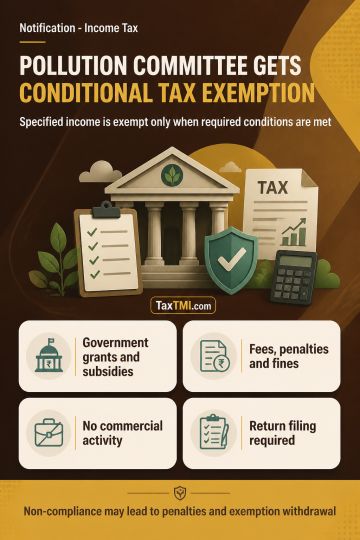
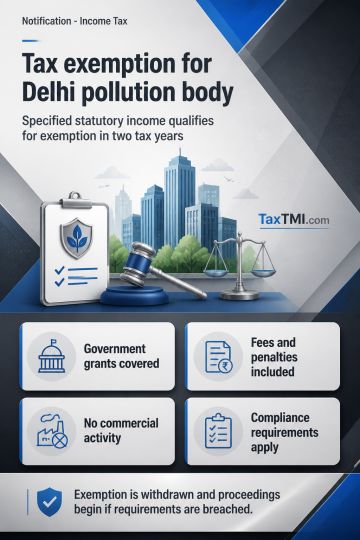
Specified income tax exemption for pollution control body remains conditional on non-commercial activity, unchanged income character, and return filin...
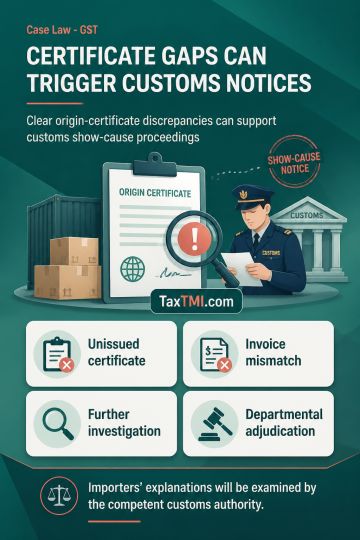
Jurisdictional facts in certificate-of-origin discrepancies can support customs show-cause proceedings, leaving factual explanations for departmental ...
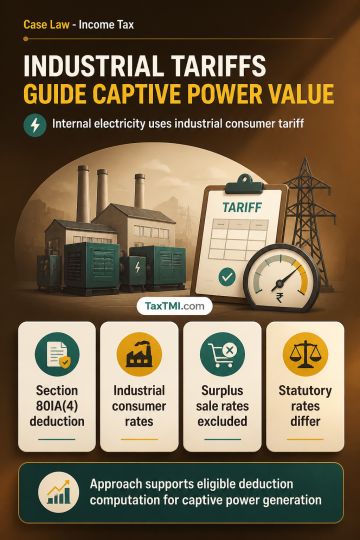
Market value for captive electricity consumption follows industrial consumer tariffs, supporting profit computation for the power generation deduction...
The SC allowed the appeal, set aside the HC's order and restored the execution court's position, holding that the arbitral award-drafted in conformity with the parties' MoU-did not grant compound interest and accordingly cannot be supplemented at execution. Under s.31(7)(a)/(b) of the Arbitration and Conciliation Act, party autonomy governs interest from cause of action to award date and the tribunal's discretion under clause (a) exists only in the absence of contrary agreement; clause (b) is contingent on an award. Because the tribunal awarded interest only until repayment and the MoU did not provide for compounding, the respondent's claim for compound interest in execution was rejected.
The SC allowed the appeal, set aside the HC's order and restored the execution court's position, holding that the arbitral award-drafted in conformity with the parties' MoU-did not grant compound interest and accordingly cannot be supplemented at execution. Under s.31(7)(a)/(b) of the Arbitration and Conciliation Act, party autonomy governs interest from cause of action to award date and the tribunal's discretion under clause (a) exists only in the absence of contrary agreement; clause (b) is contingent on an award. Because the tribunal awarded interest only until repayment and the MoU did not provide for compounding, the respondent's claim for compound interest in execution was rejected.
Note: It is a system-generated summary and is for quick reference only.
 TaxTMI
 of 4803




 Join Channel


 TaxTMI
