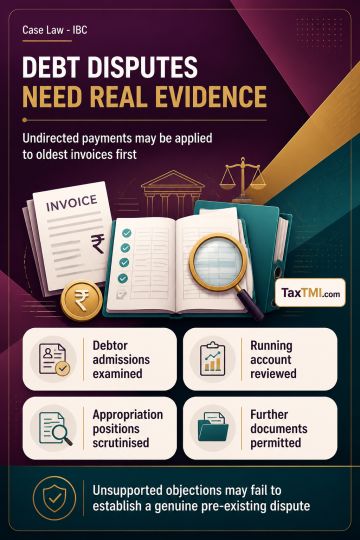
Pre-existing operational debt disputes require genuine evidence, while undirected running-account payments may be appropriated on a first-in-first-out...
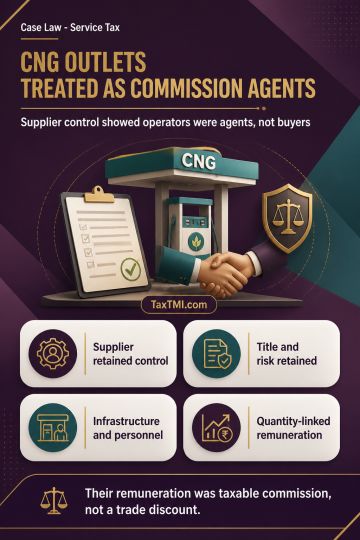
Agency in CNG distribution makes outlet operators commission agents, rendering taxable Business Auxiliary Service rather than purchasing goods for res...
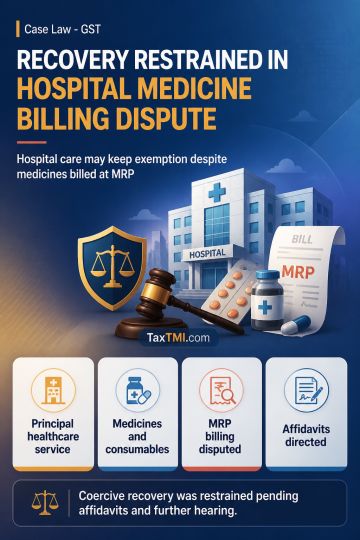
Composite inpatient healthcare supply may retain exemption despite MRP medicine billing, while separate taxable sale characterisation remains disputed...
The SC allowed the appeal, set aside the HC's order and restored the execution court's position, holding that the arbitral award-drafted in conformity with the parties' MoU-did not grant compound interest and accordingly cannot be supplemented at execution. Under s.31(7)(a)/(b) of the Arbitration and Conciliation Act, party autonomy governs interest from cause of action to award date and the tribunal's discretion under clause (a) exists only in the absence of contrary agreement; clause (b) is contingent on an award. Because the tribunal awarded interest only until repayment and the MoU did not provide for compounding, the respondent's claim for compound interest in execution was rejected.
The SC allowed the appeal, set aside the HC's order and restored the execution court's position, holding that the arbitral award-drafted in conformity with the parties' MoU-did not grant compound interest and accordingly cannot be supplemented at execution. Under s.31(7)(a)/(b) of the Arbitration and Conciliation Act, party autonomy governs interest from cause of action to award date and the tribunal's discretion under clause (a) exists only in the absence of contrary agreement; clause (b) is contingent on an award. Because the tribunal awarded interest only until repayment and the MoU did not provide for compounding, the respondent's claim for compound interest in execution was rejected.
Note: It is a system-generated summary and is for quick reference only.
 TaxTMI
 of 4801







 Join Channel


 TaxTMI