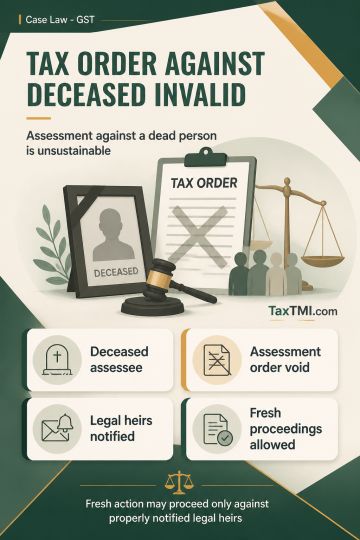
Mutual fund maturity rules require proper rollover, redemption, disclosure, and due diligence; investor gains cannot excuse regulatory breaches or pen...
Threshold exemption excludes exempt services, while stamp-paper purchases avoid reverse charge; consequential service tax penalties were also set asid...
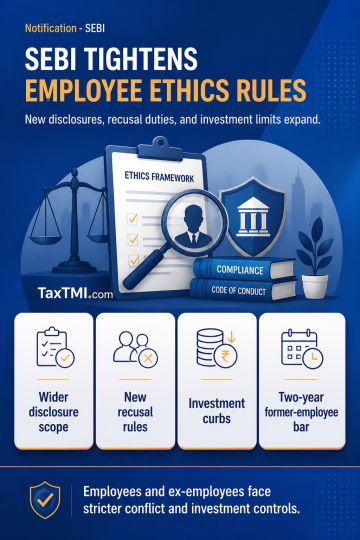
Employee conflict disclosures and investment restrictions expand with new recusal duties, post-employment limits, and compliance reporting requirement...
The HC held that the impugned order failed to apply sub-section (5) of Section 16 of the CGST Act, which was made effective from 1 July 2017 and prescribes that, notwithstanding sub-section (4), a registered person may claim input tax credit for invoices/debit notes relating to FY 2017-18 through FY 2020-21 in any return filed up to 30 November 2021. Because the authority did not consider the implications of s.16(5) when deciding the dispute between the anonymized petitioner and respondent, the HC set aside the decision and remitted the matter to the authority for fresh adjudication in light of s.16(5). The petition was disposed by remand.
The HC held that the impugned order failed to apply sub-section (5) of Section 16 of the CGST Act, which was made effective from 1 July 2017 and prescribes that, notwithstanding sub-section (4), a registered person may claim input tax credit for invoices/debit notes relating to FY 2017-18 through FY 2020-21 in any return filed up to 30 November 2021. Because the authority did not consider the implications of s.16(5) when deciding the dispute between the anonymized petitioner and respondent, the HC set aside the decision and remitted the matter to the authority for fresh adjudication in light of s.16(5). The petition was disposed by remand.
Note: It is a system-generated summary and is for quick reference only.
 TaxTMI
 of 4805











 Join Channel


 TaxTMI