Commercial vehicle depreciation, scientifically determined warranty provisions and exempt-income disallowances were resolved in favour of the taxpayer...
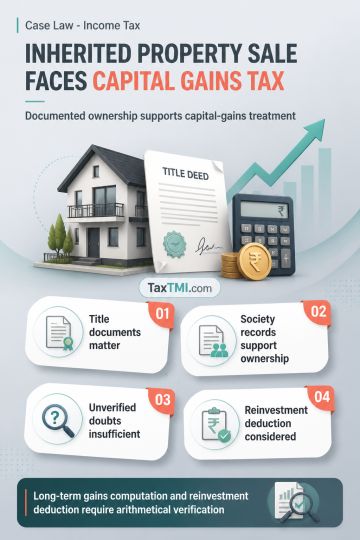
Inherited property sale proceeds require capital-gains treatment where ownership is supported by evidence, not suspicion or unverified signature doubt...
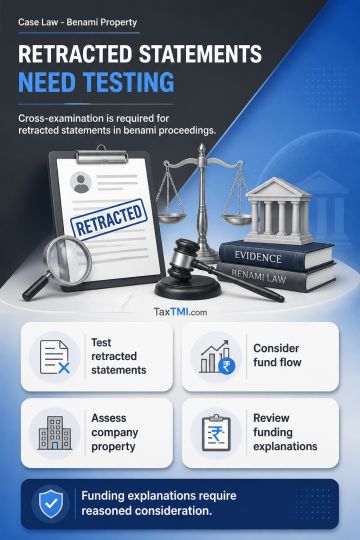
Cross-examination of retracted statements is essential where foundational evidence supports a benami allegation and documented funding explanations re...
Capital-goods exemption covers plant-modernisation accessories, while the import restriction applies only to earlier capital-goods components and spar...
The HC held that the impugned order failed to apply sub-section (5) of Section 16 of the CGST Act, which was made effective from 1 July 2017 and prescribes that, notwithstanding sub-section (4), a registered person may claim input tax credit for invoices/debit notes relating to FY 2017-18 through FY 2020-21 in any return filed up to 30 November 2021. Because the authority did not consider the implications of s.16(5) when deciding the dispute between the anonymized petitioner and respondent, the HC set aside the decision and remitted the matter to the authority for fresh adjudication in light of s.16(5). The petition was disposed by remand.
The HC held that the impugned order failed to apply sub-section (5) of Section 16 of the CGST Act, which was made effective from 1 July 2017 and prescribes that, notwithstanding sub-section (4), a registered person may claim input tax credit for invoices/debit notes relating to FY 2017-18 through FY 2020-21 in any return filed up to 30 November 2021. Because the authority did not consider the implications of s.16(5) when deciding the dispute between the anonymized petitioner and respondent, the HC set aside the decision and remitted the matter to the authority for fresh adjudication in light of s.16(5). The petition was disposed by remand.
Note: It is a system-generated summary and is for quick reference only.
 TaxTMI
 of 4801















 Join Channel


 TaxTMI