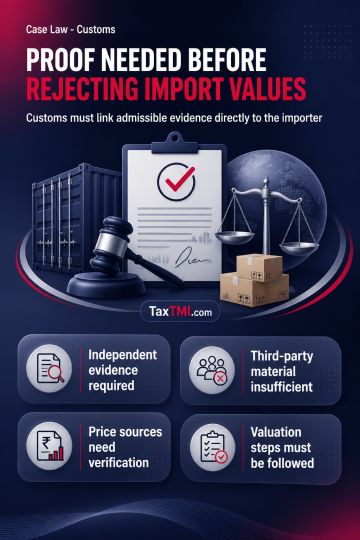
Commercial vehicle depreciation, scientifically determined warranty provisions and exempt-income disallowances were resolved in favour of the taxpayer...
Inherited property sale proceeds require capital-gains treatment where ownership is supported by evidence, not suspicion or unverified signature doubt...
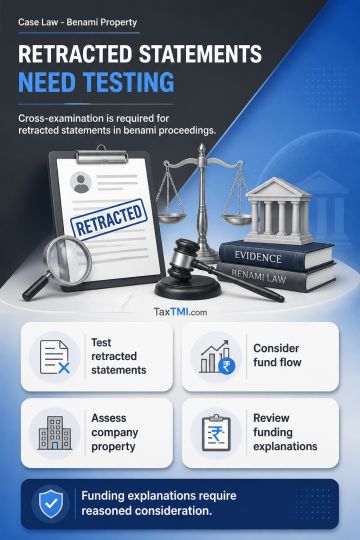
Cross-examination of retracted statements is essential where foundational evidence supports a benami allegation and documented funding explanations re...
The AT dismissed the DGAP's profiteering report and closed proceedings against the Respondent under Section 171, CGST Act, holding there is no admissible material establishing that the Respondent retained an unlawful benefit of input tax credit by failing to reduce prices. The AT noted mixed SKU price movements and absence of document evidence demonstrating overall profiteering; enquiries of 56 recipients showed 50 received ITC-related benefit, one was unregistered, and five were unreachable due to closure/liquidation/death. Consequently the DGAP's concluded profiteering amount was not accepted, no liability was fastened on the Respondent, and the complaint was thereby disposed.
The AT dismissed the DGAP's profiteering report and closed proceedings against the Respondent under Section 171, CGST Act, holding there is no admissible material establishing that the Respondent retained an unlawful benefit of input tax credit by failing to reduce prices. The AT noted mixed SKU price movements and absence of document evidence demonstrating overall profiteering; enquiries of 56 recipients showed 50 received ITC-related benefit, one was unregistered, and five were unreachable due to closure/liquidation/death. Consequently the DGAP's concluded profiteering amount was not accepted, no liability was fastened on the Respondent, and the complaint was thereby disposed.
Note: It is a system-generated summary and is for quick reference only.
 TaxTMI
 of 4803













 Join Channel


 TaxTMI