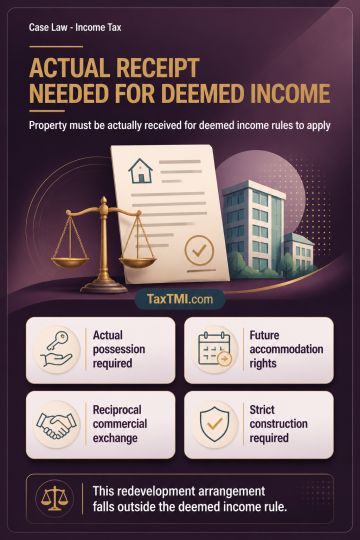
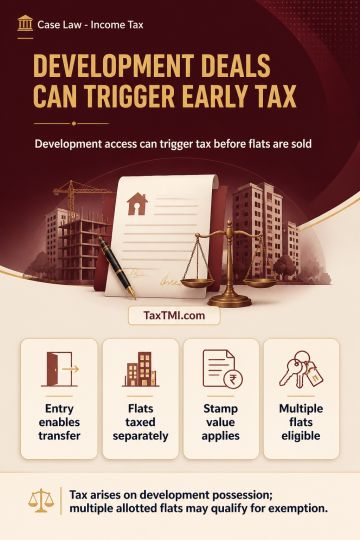
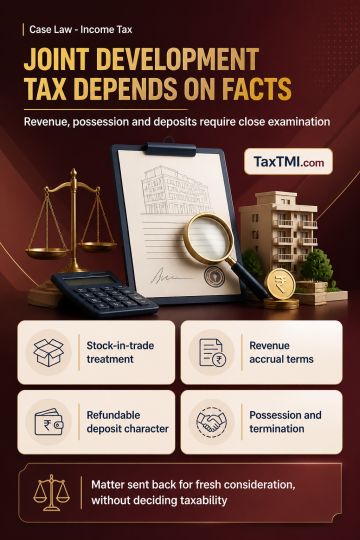
Receipt of immovable property requires actual possession or enjoyment; redevelopment allotments exchanged for tenancy rights fall outside deemed incom...
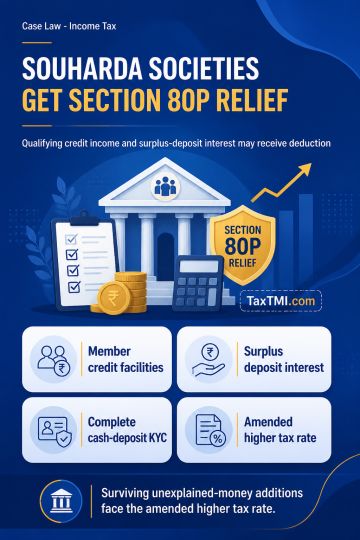
Section 80P deduction covers Souharda credit societies, including qualifying surplus-deposit interest, subject to member KYC verification for cash dep...
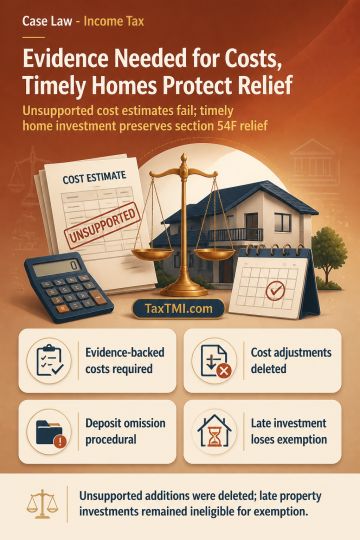
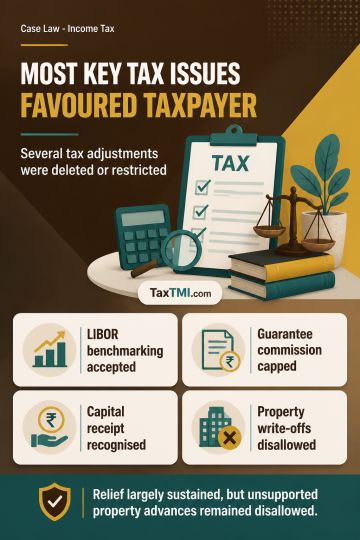
Transfer-pricing benchmarking and capital-receipt principles sustained taxpayer relief, while unsupported property-advance write-offs remained disallo...
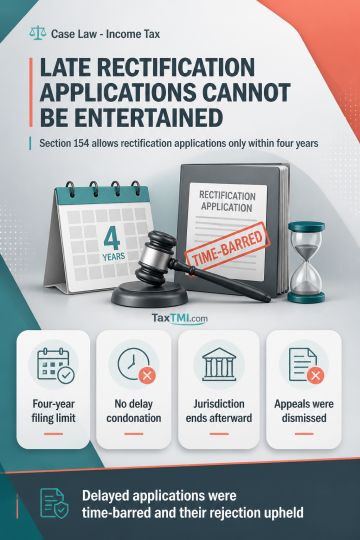
The HC dismissed the writ petition seeking condonation of delay for filing an appeal under Section 107 of the Act, holding that the statutory limitation is absolute and not extendable by the writ court or by application of Section 5 of the Limitation Act. The court reiterated that the Act constitutes a self-contained code with an inbuilt limitation mechanism, thereby implicitly excluding the Limitation Act's extension power. The appellate forum and the prescribed statutory procedure are the sole remedy for challenge; equitable relief to condone delay beyond the statutory period is unavailable. Accordingly, the petitioner's delay was incurable and the petition was dismissed.
The HC dismissed the writ petition seeking condonation of delay for filing an appeal under Section 107 of the Act, holding that the statutory limitation is absolute and not extendable by the writ court or by application of Section 5 of the Limitation Act. The court reiterated that the Act constitutes a self-contained code with an inbuilt limitation mechanism, thereby implicitly excluding the Limitation Act's extension power. The appellate forum and the prescribed statutory procedure are the sole remedy for challenge; equitable relief to condone delay beyond the statutory period is unavailable. Accordingly, the petitioner's delay was incurable and the petition was dismissed.
Note: It is a system-generated summary and is for quick reference only.
 TaxTMI
 of 4805







 Join Channel


 TaxTMI
