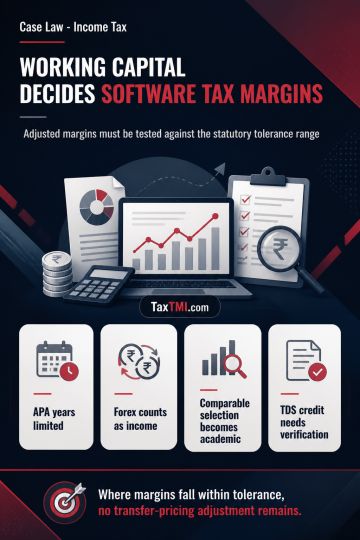
Working-capital adjustment determines whether software-services transfer-pricing margins fall within the statutory tolerance range, eliminating any ad...
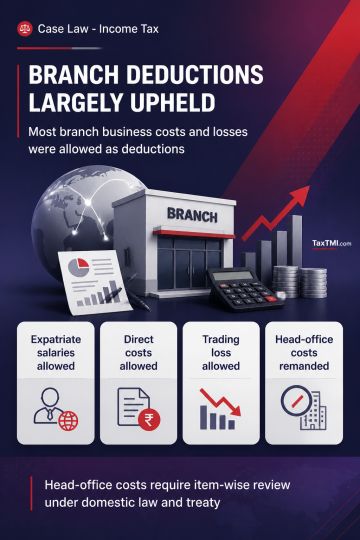
Permanent establishment deductions upheld for expatriate salaries, direct costs and trading losses, while head-office costs require fresh classificati...
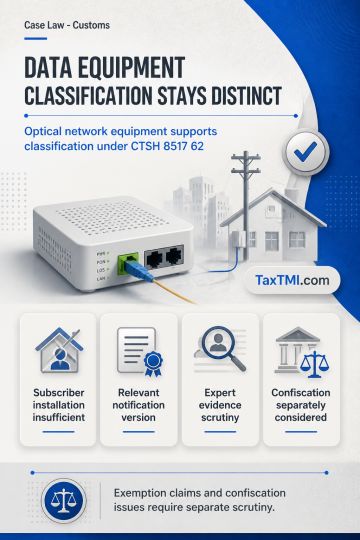
Data transmission equipment classification under CTSH 8517 62 remains distinct from residual classification, with exemption evidence requiring scrutin...
The amusement park industry seeks revision of the current 18% GST on entry tickets to 5%, arguing the rate disproportionately burdens middle and lower middle-income visitors, restricts affordability, and undermines anticipated benefits from a newly adopted two-rate GST structure. The industry contends a reduced rate would align with recent GST cuts for budget hotel rooms, stimulate domestic tourism, increase park attendance, generate employment, and enable reinvestment in safety and infrastructure. The sector formally urges the GST Council to reconsider classification and rate treatment to advance consumer affordability and broader economic and social objectives.
The amusement park industry seeks revision of the current 18% GST on entry tickets to 5%, arguing the rate disproportionately burdens middle and lower middle-income visitors, restricts affordability, and undermines anticipated benefits from a newly adopted two-rate GST structure. The industry contends a reduced rate would align with recent GST cuts for budget hotel rooms, stimulate domestic tourism, increase park attendance, generate employment, and enable reinvestment in safety and infrastructure. The sector formally urges the GST Council to reconsider classification and rate treatment to advance consumer affordability and broader economic and social objectives.
Note: It is a system-generated summary and is for quick reference only.
 TaxTMI
 of 4805



 Join Channel


 TaxTMI