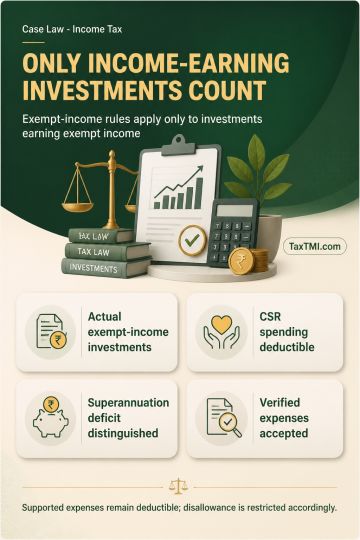
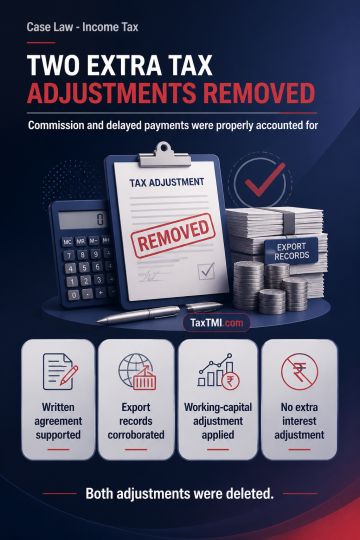
Exempt-income expenditure disallowance is confined to investments that actually generated exempt income, while supported business expenses remain dedu...
Objective characteristics and principal use govern mining-tyre classification, while fresh advance ruling applications may rely on additional technica...
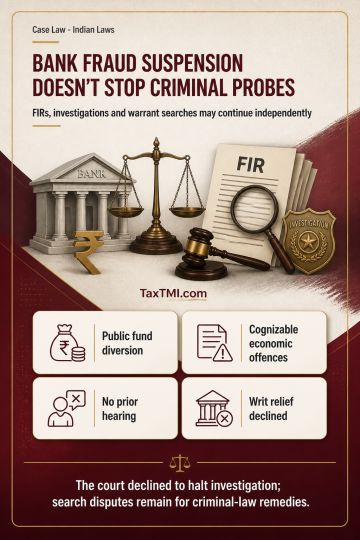
Administrative fraud classification suspension does not halt independent criminal investigation or warrant-based searches into alleged economic offenc...
The amusement park industry seeks revision of the current 18% GST on entry tickets to 5%, arguing the rate disproportionately burdens middle and lower middle-income visitors, restricts affordability, and undermines anticipated benefits from a newly adopted two-rate GST structure. The industry contends a reduced rate would align with recent GST cuts for budget hotel rooms, stimulate domestic tourism, increase park attendance, generate employment, and enable reinvestment in safety and infrastructure. The sector formally urges the GST Council to reconsider classification and rate treatment to advance consumer affordability and broader economic and social objectives.
The amusement park industry seeks revision of the current 18% GST on entry tickets to 5%, arguing the rate disproportionately burdens middle and lower middle-income visitors, restricts affordability, and undermines anticipated benefits from a newly adopted two-rate GST structure. The industry contends a reduced rate would align with recent GST cuts for budget hotel rooms, stimulate domestic tourism, increase park attendance, generate employment, and enable reinvestment in safety and infrastructure. The sector formally urges the GST Council to reconsider classification and rate treatment to advance consumer affordability and broader economic and social objectives.
Note: It is a system-generated summary and is for quick reference only.
 TaxTMI
 of 4805







 Join Channel


 TaxTMI