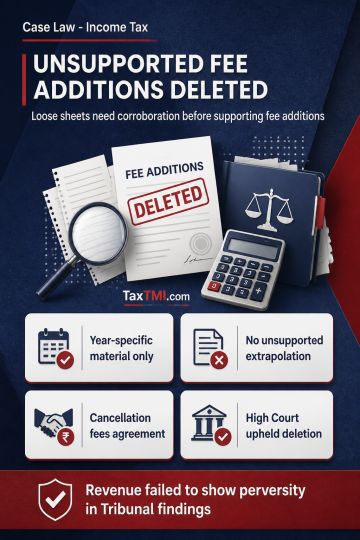
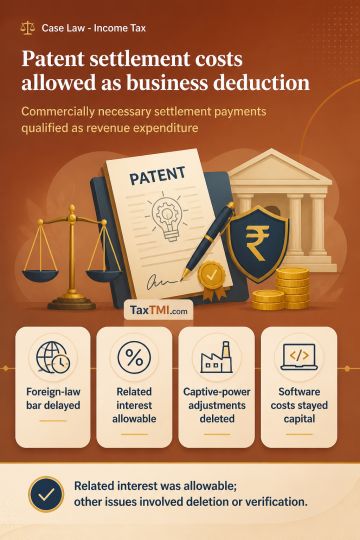
Patent-settlement expenditure treated as commercially expedient revenue outlay, with foreign-law restrictions inapplicable before the prospective amen...
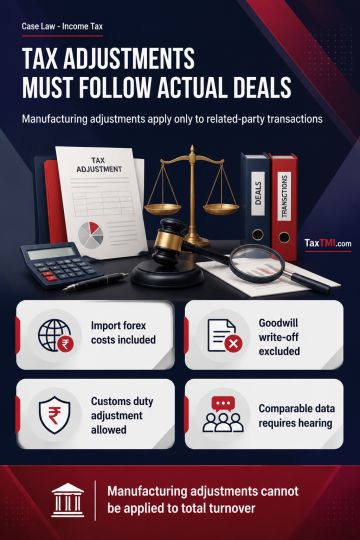
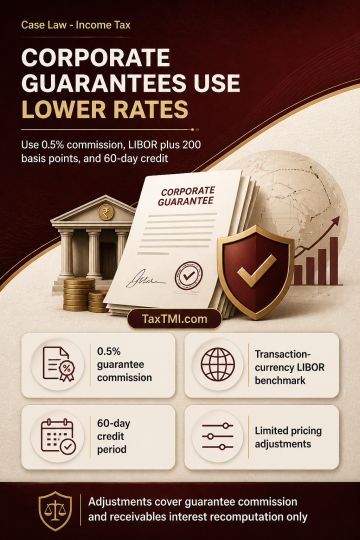
International transaction benchmarking restricts transfer pricing adjustments to associated-enterprise dealings, while functional comparability govern...
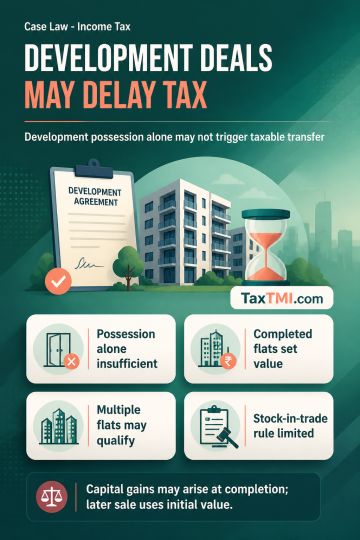
Joint development agreements defer taxable transfer where possession lacks part performance, while completed flats determine consideration and exempti...
The amusement park industry seeks revision of the current 18% GST on entry tickets to 5%, arguing the rate disproportionately burdens middle and lower middle-income visitors, restricts affordability, and undermines anticipated benefits from a newly adopted two-rate GST structure. The industry contends a reduced rate would align with recent GST cuts for budget hotel rooms, stimulate domestic tourism, increase park attendance, generate employment, and enable reinvestment in safety and infrastructure. The sector formally urges the GST Council to reconsider classification and rate treatment to advance consumer affordability and broader economic and social objectives.
The amusement park industry seeks revision of the current 18% GST on entry tickets to 5%, arguing the rate disproportionately burdens middle and lower middle-income visitors, restricts affordability, and undermines anticipated benefits from a newly adopted two-rate GST structure. The industry contends a reduced rate would align with recent GST cuts for budget hotel rooms, stimulate domestic tourism, increase park attendance, generate employment, and enable reinvestment in safety and infrastructure. The sector formally urges the GST Council to reconsider classification and rate treatment to advance consumer affordability and broader economic and social objectives.
Note: It is a system-generated summary and is for quick reference only.
 TaxTMI
 of 4803



 Join Channel


 TaxTMI
