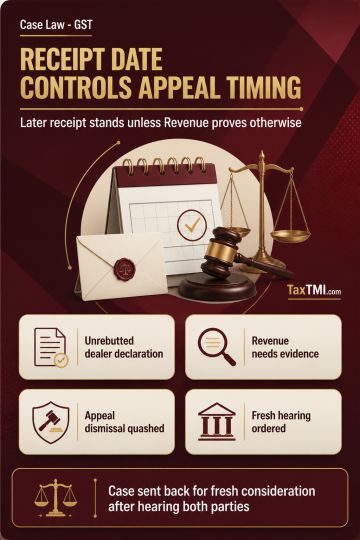
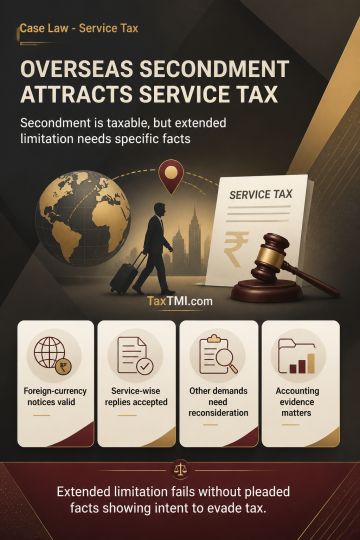
Extended limitation fails without specific suppression allegations, while overseas employee secondment remains taxable as manpower supply within norma...
Time-share accommodation classification excludes Club or Association Service where purchasers receive contractual occupancy rights without genuine mem...
CENVAT credit for trading requires reversal, while taxable-service rental credit remains proportionately available and limitation issues await resolut...
Vicarious liability for dishonoured company cheques may extend to non-signatory directors where complaints contain foundational responsibility avermen...
The amusement park industry seeks revision of the current 18% GST on entry tickets to 5%, arguing the rate disproportionately burdens middle and lower middle-income visitors, restricts affordability, and undermines anticipated benefits from a newly adopted two-rate GST structure. The industry contends a reduced rate would align with recent GST cuts for budget hotel rooms, stimulate domestic tourism, increase park attendance, generate employment, and enable reinvestment in safety and infrastructure. The sector formally urges the GST Council to reconsider classification and rate treatment to advance consumer affordability and broader economic and social objectives.
The amusement park industry seeks revision of the current 18% GST on entry tickets to 5%, arguing the rate disproportionately burdens middle and lower middle-income visitors, restricts affordability, and undermines anticipated benefits from a newly adopted two-rate GST structure. The industry contends a reduced rate would align with recent GST cuts for budget hotel rooms, stimulate domestic tourism, increase park attendance, generate employment, and enable reinvestment in safety and infrastructure. The sector formally urges the GST Council to reconsider classification and rate treatment to advance consumer affordability and broader economic and social objectives.
Note: It is a system-generated summary and is for quick reference only.
 TaxTMI
 of 4801







 Join Channel


 TaxTMI