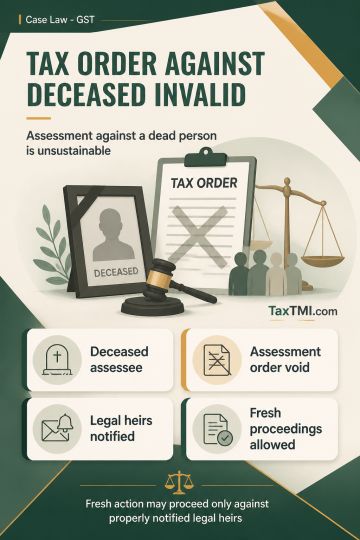
Mutual fund maturity rules require proper rollover, redemption, disclosure, and due diligence; investor gains cannot excuse regulatory breaches or pen...
Threshold exemption excludes exempt services, while stamp-paper purchases avoid reverse charge; consequential service tax penalties were also set asid...
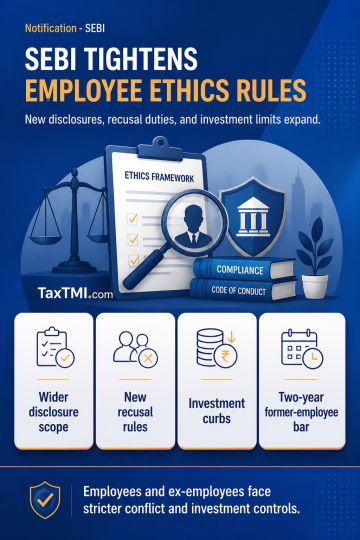
Employee conflict disclosures and investment restrictions expand with new recusal duties, post-employment limits, and compliance reporting requirement...
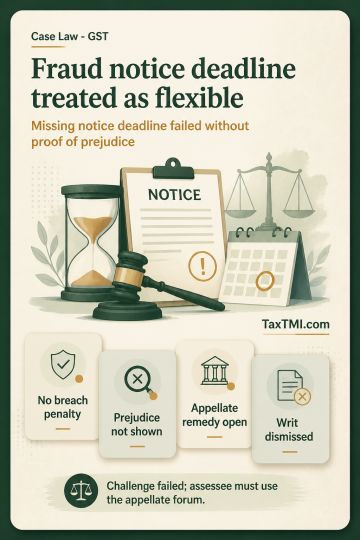
The HC dismissed the writ petition challenging the impugned order alleging fraudulent availment of Input Tax Credit (ITC) by multiple parties. The Court noted that the Petitioner's reply to the show cause notice (SCN) may not have been duly considered, raising a potential natural justice issue. However, given the complexity involving numerous transactions and multiple noticees, the Court held that detailed factual examination is inappropriate under writ jurisdiction. The Court emphasized that the Petitioner should pursue statutory appellate remedies instead of seeking relief via writ petition. Consequently, the petition was dismissed without adjudicating the merits of the alleged fraudulent ITC claims or penalties imposed.
The HC dismissed the writ petition challenging the impugned order alleging fraudulent availment of Input Tax Credit (ITC) by multiple parties. The Court noted that the Petitioner's reply to the show cause notice (SCN) may not have been duly considered, raising a potential natural justice issue. However, given the complexity involving numerous transactions and multiple noticees, the Court held that detailed factual examination is inappropriate under writ jurisdiction. The Court emphasized that the Petitioner should pursue statutory appellate remedies instead of seeking relief via writ petition. Consequently, the petition was dismissed without adjudicating the merits of the alleged fraudulent ITC claims or penalties imposed.
Note: It is a system-generated summary and is for quick reference only.
 TaxTMI
 of 4805









 Join Channel


 TaxTMI