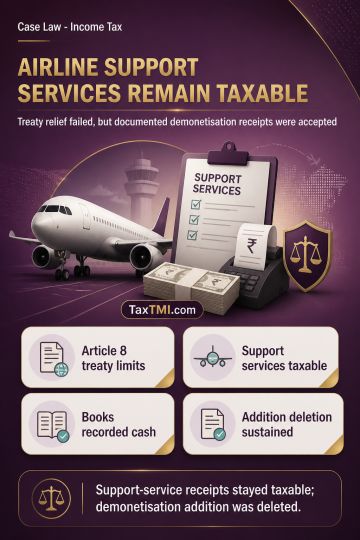
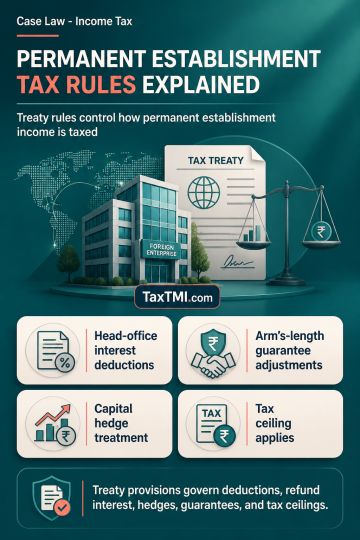
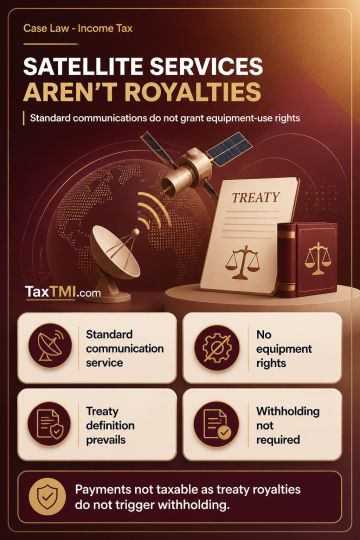
Article 8 treaty coverage excluded third-party airline support services, while documented demonetisation cash receipts remained accepted business inco...
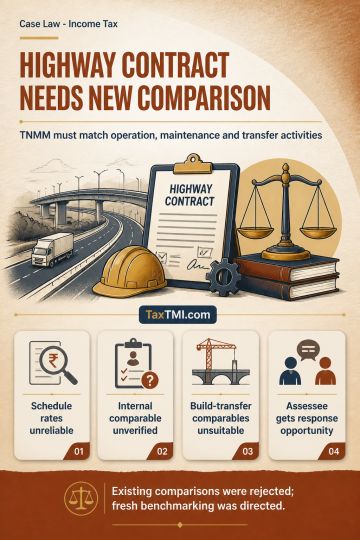
Functional comparability under TNMM requires highway contract benchmarks to reflect operation, maintenance and transfer activities, requiring fresh be...
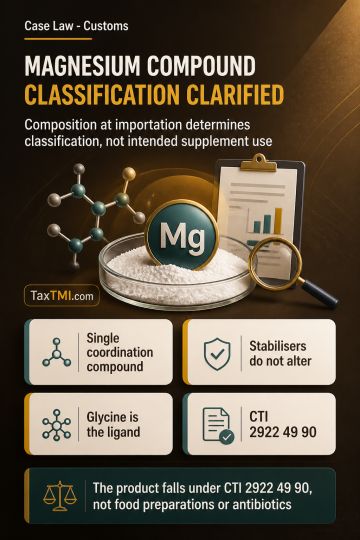
Objective characteristics govern magnesium bis-glycinate chelate classification as an amino-acid coordination compound, not a food preparation or anti...
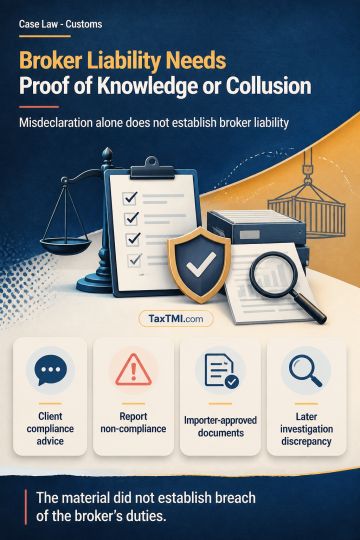
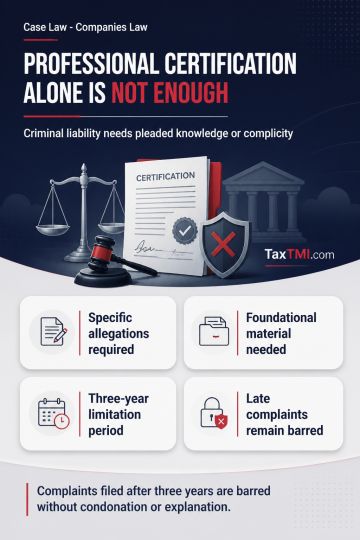
Independent professional certification requires pleaded knowledge or complicity for criminal liability; untimely complaints remain barred by limitatio...
The HC dismissed the writ petition filed beyond the prescribed limitation period for appeal under Section 107 of the CGST Act, 2017, holding that service by registered email constitutes valid service, triggering the limitation period. The court reaffirmed that statutory limitation periods are absolute and not extendable by applying Section 5 of the Limitation Act or through writ jurisdiction under Article 226. The petitioner failed to demonstrate sufficient cause for delay or explain the non-filing within time. The HC emphasized adherence to the exclusive statutory appellate mechanism, refusing to condone delay or entertain the petition on grounds neither involving gross injustice nor patent illegality. Consequently, allowing the petition would circumvent the statutory appellate process and render the limitation provision ineffective. The petition was rejected in limine.
The HC dismissed the writ petition filed beyond the prescribed limitation period for appeal under Section 107 of the CGST Act, 2017, holding that service by registered email constitutes valid service, triggering the limitation period. The court reaffirmed that statutory limitation periods are absolute and not extendable by applying Section 5 of the Limitation Act or through writ jurisdiction under Article 226. The petitioner failed to demonstrate sufficient cause for delay or explain the non-filing within time. The HC emphasized adherence to the exclusive statutory appellate mechanism, refusing to condone delay or entertain the petition on grounds neither involving gross injustice nor patent illegality. Consequently, allowing the petition would circumvent the statutory appellate process and render the limitation provision ineffective. The petition was rejected in limine.
Note: It is a system-generated summary and is for quick reference only.
 TaxTMI
 of 4800




 Join Channel


 TaxTMI
