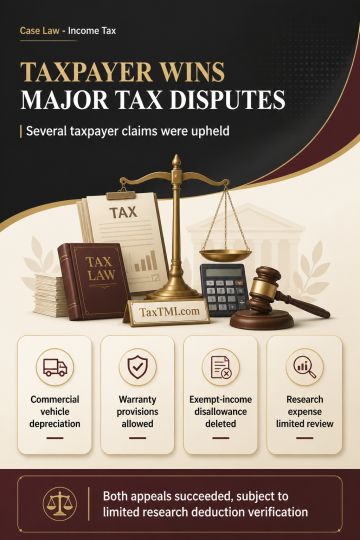
Commercial vehicle depreciation, scientifically determined warranty provisions and exempt-income disallowances were resolved in favour of the taxpayer...
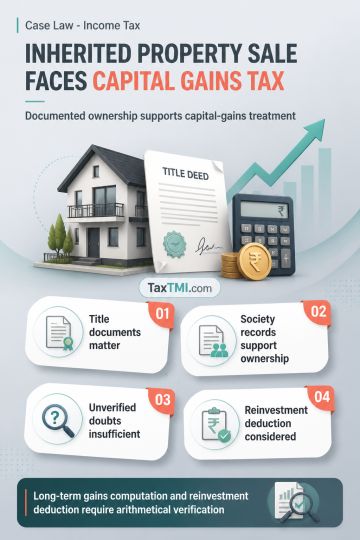
Inherited property sale proceeds require capital-gains treatment where ownership is supported by evidence, not suspicion or unverified signature doubt...
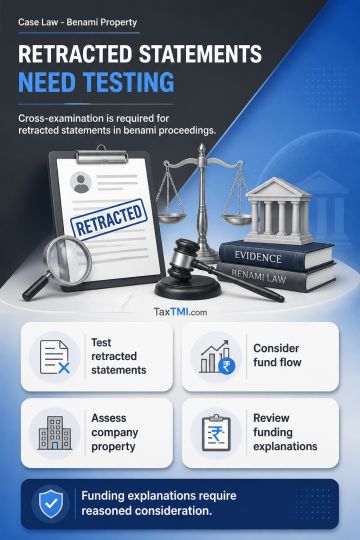
Cross-examination of retracted statements is essential where foundational evidence supports a benami allegation and documented funding explanations re...
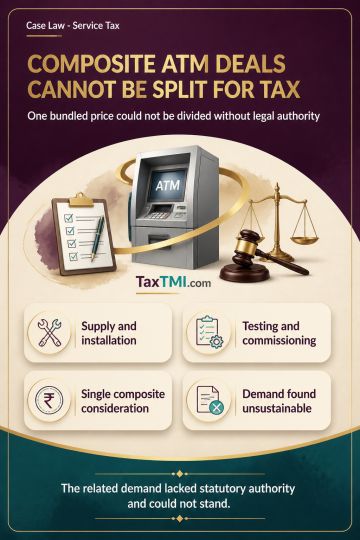
Capital-goods exemption covers plant-modernisation accessories, while the import restriction applies only to earlier capital-goods components and spar...
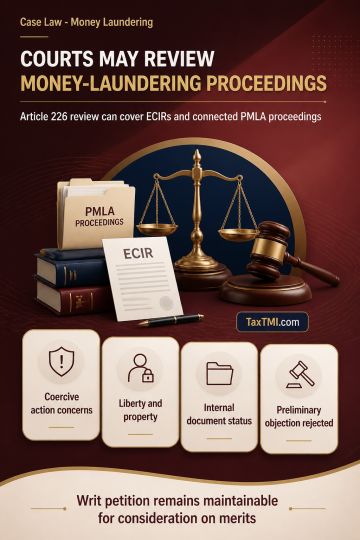
Constitutional judicial review permits challenges to ECIRs and connected money-laundering proceedings where coercive action affects fundamental intere...
The HC dismissed the writ petition filed beyond the prescribed limitation period for appeal under Section 107 of the CGST Act, 2017, holding that service by registered email constitutes valid service, triggering the limitation period. The court reaffirmed that statutory limitation periods are absolute and not extendable by applying Section 5 of the Limitation Act or through writ jurisdiction under Article 226. The petitioner failed to demonstrate sufficient cause for delay or explain the non-filing within time. The HC emphasized adherence to the exclusive statutory appellate mechanism, refusing to condone delay or entertain the petition on grounds neither involving gross injustice nor patent illegality. Consequently, allowing the petition would circumvent the statutory appellate process and render the limitation provision ineffective. The petition was rejected in limine.
The HC dismissed the writ petition filed beyond the prescribed limitation period for appeal under Section 107 of the CGST Act, 2017, holding that service by registered email constitutes valid service, triggering the limitation period. The court reaffirmed that statutory limitation periods are absolute and not extendable by applying Section 5 of the Limitation Act or through writ jurisdiction under Article 226. The petitioner failed to demonstrate sufficient cause for delay or explain the non-filing within time. The HC emphasized adherence to the exclusive statutory appellate mechanism, refusing to condone delay or entertain the petition on grounds neither involving gross injustice nor patent illegality. Consequently, allowing the petition would circumvent the statutory appellate process and render the limitation provision ineffective. The petition was rejected in limine.
Note: It is a system-generated summary and is for quick reference only.
 TaxTMI
 of 4798








 Join Channel


 TaxTMI
