TNMM functional comparability requires excluding rice manufacturers from a pure Basmati rice trader's benchmark and recognising operating export recei...
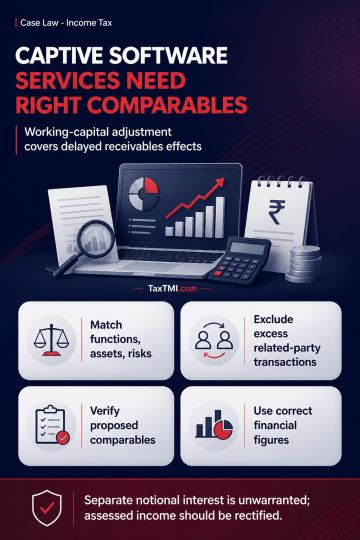
Working-capital adjustment subsumes delayed-receivable effects in TNMM benchmarking of captive software-development services, avoiding separate notion...
Transfer-pricing comparability requires exclusion of financially illogical super-profit comparables and correction of unsupported annual-report and ma...
Charitable character assessment preserves Section 80G approval despite inclusive spiritual teachings and incidental religious expenditure within the s...
Penalty proceedings for cash-loan acceptance require assessment proceedings and recorded Assessing Officer satisfaction; absent these, the proceedings...
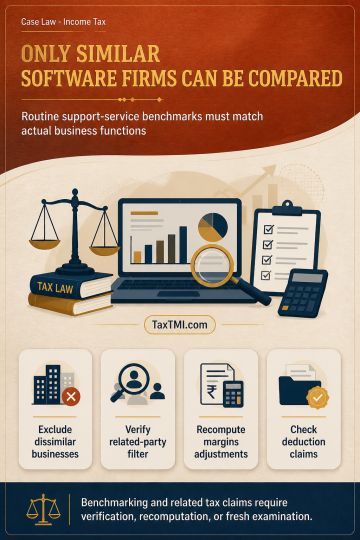
Functional comparability governs software-service benchmarking: dissimilar companies are excluded, while related-party filters, margins and working-ca...
The AT upheld contraventions of the FEMA 1999 and related 2000 Regulations against the appellant company for unauthorized receipt of inward remittances characterized as FDI, which were credited to the EEFC account contrary to prescribed norms. The penalty on the company was substantially reduced from Rs. 230 crores to Rs. 80.50 crores due to disproportionality. Individual penalties imposed on former directors and signatories to grant agreements were moderated proportionately, with amounts scaled down and corresponding fixed deposits transferred to the respondent. The appeal of the employee appellant was allowed, exempting him from penalty on grounds of lack of independent responsibility and inapplicability of vicarious liability under Section 42. The decision balances enforcement of FEMA provisions with equitable penalty assessment reflecting each appellant's role and culpability.
The AT upheld contraventions of the FEMA 1999 and related 2000 Regulations against the appellant company for unauthorized receipt of inward remittances characterized as FDI, which were credited to the EEFC account contrary to prescribed norms. The penalty on the company was substantially reduced from Rs. 230 crores to Rs. 80.50 crores due to disproportionality. Individual penalties imposed on former directors and signatories to grant agreements were moderated proportionately, with amounts scaled down and corresponding fixed deposits transferred to the respondent. The appeal of the employee appellant was allowed, exempting him from penalty on grounds of lack of independent responsibility and inapplicability of vicarious liability under Section 42. The decision balances enforcement of FEMA provisions with equitable penalty assessment reflecting each appellant's role and culpability.
Note: It is a system-generated summary and is for quick reference only.
 TaxTMI
  TaxTMI
 of 4830
















 Join Channel


