Dispute Resolution Panel objections must reach both prescribed forums; otherwise assessment may proceed and statutory appeal remains the proper remedy...
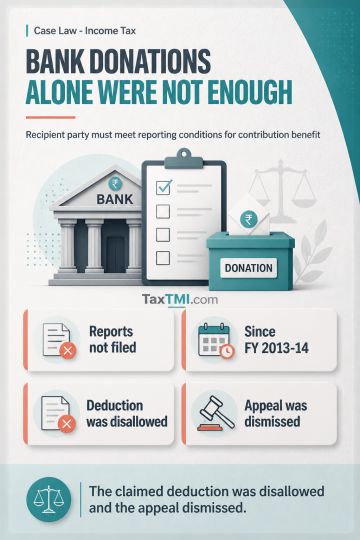
Political contribution deductions require recipient party compliance with contribution-reporting conditions; banking-channel donations alone do not qu...
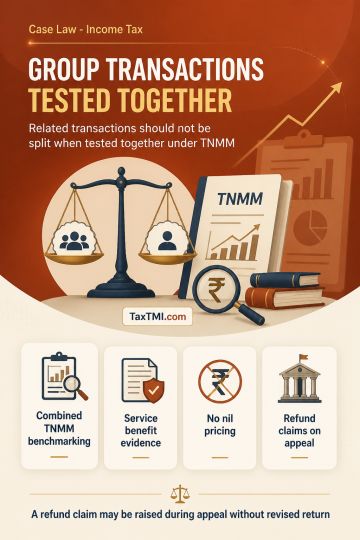
Aggregation under TNMM prevents selective testing of intra-group services without comparable uncontrolled transactions, while appellate additional cla...
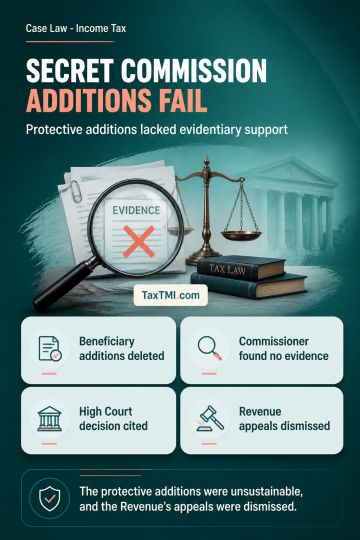
Protective assessment cannot duplicate identical receipts under competing characterisations; remote services did not establish a taxable permanent est...
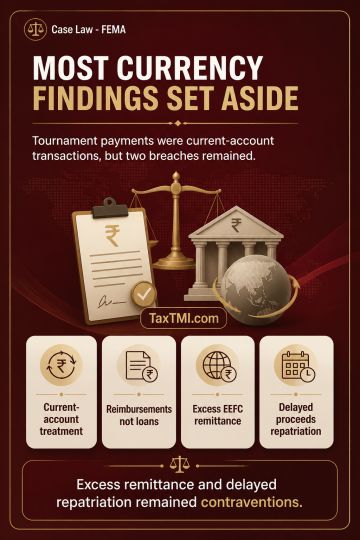
Current account treatment of overseas tournament services removed most FEMA findings, but excess EEFC remittance and delayed repatriation remained bre...
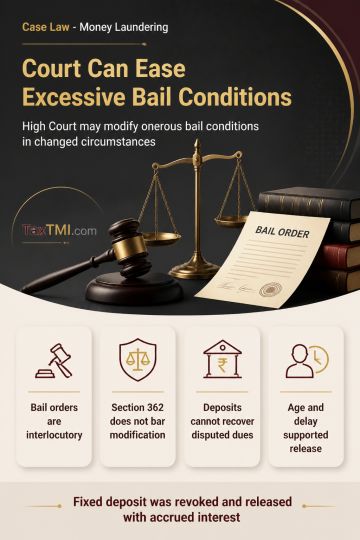
Modification of bail conditions remains available through inherent jurisdiction where onerous deposits undermine justice and cannot recover disputed d...
The SC held that criminal proceedings initiated by the complainant for recovery of unpaid sale consideration do not constitute criminal breach of trust under Section 406 IPC, as mere sale transactions do not amount to entrustment of goods. The Court criticized the High Court for permitting criminal proceedings in a pure civil dispute, emphasizing that such resort amounts to abuse of process. The SC underscored established jurisprudence clarifying the distinction between civil claims and criminal breach of trust. Observations by the High Court suggesting criminal prosecution as a substitute for civil recovery were condemned. Consequently, the SC set aside the impugned High Court order and remanded the matter for fresh consideration of the Criminal Miscellaneous Application, partially allowing the appeal.
The SC held that criminal proceedings initiated by the complainant for recovery of unpaid sale consideration do not constitute criminal breach of trust under Section 406 IPC, as mere sale transactions do not amount to entrustment of goods. The Court criticized the High Court for permitting criminal proceedings in a pure civil dispute, emphasizing that such resort amounts to abuse of process. The SC underscored established jurisprudence clarifying the distinction between civil claims and criminal breach of trust. Observations by the High Court suggesting criminal prosecution as a substitute for civil recovery were condemned. Consequently, the SC set aside the impugned High Court order and remanded the matter for fresh consideration of the Criminal Miscellaneous Application, partially allowing the appeal.
Note: It is a system-generated summary and is for quick reference only.
 TaxTMI
 of 4801









 Join Channel


 TaxTMI
