Defined public benefit can retain charitable character; registration renewal requires examining genuine activities and legal compliance, not surplus a...
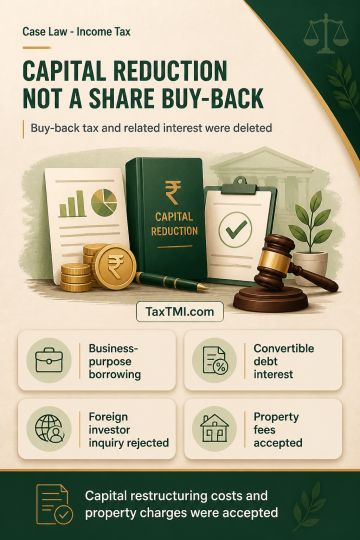
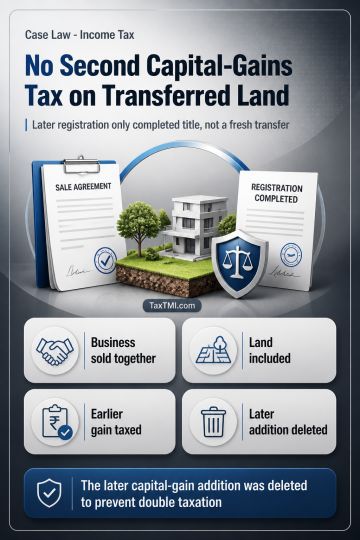
Capital reduction is distinct from share buy-back, preventing buy-back tax; restructuring interest and related business deductions also survive scruti...
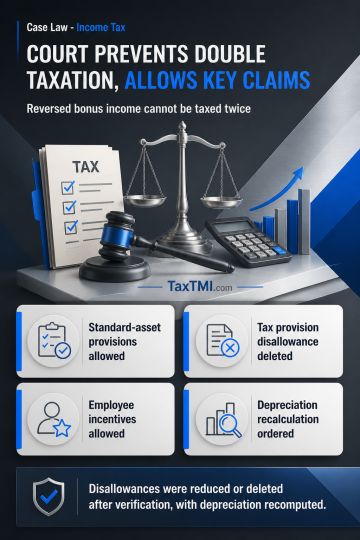
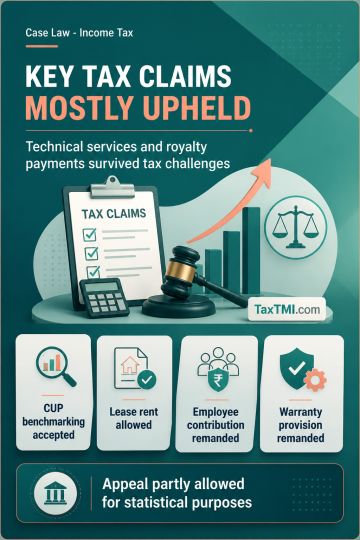
Transfer pricing and tax deductions upheld on established principles, while employee contributions and warranty provisions returned for fresh examinat...
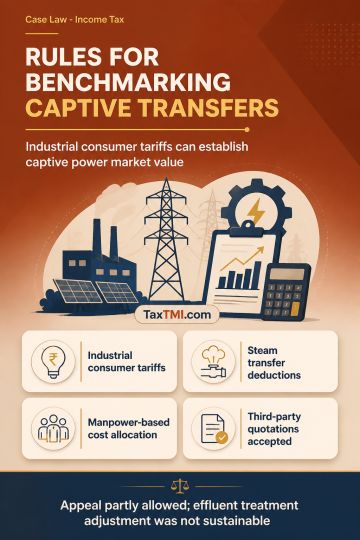
Captive transfer pricing relies on industrial consumer tariffs, while genuine quotations can benchmark effluent treatment transfers under the Other Me...
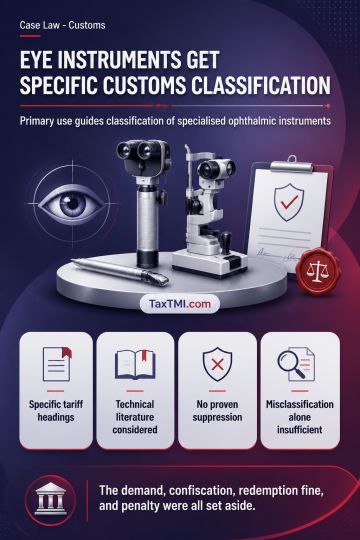
Specific tariff classification for ophthalmic instruments and extended limitation principles determine the treatment of duty demands, confiscation, an...
The HC upheld the levy of penalty under Section 129(1)(b) of the GST Act for transit of goods without an e-way bill, finding no evidence of technical error or inadvertence, as no e-way bill was generated prior to movement. The presence of a tax invoice with the goods established the petitioner as the owner, and the temporary suspension of the purchaser's registration during transit did not adversely affect liability. The Court relied on precedent attributing an intent to evade tax in absence of an e-way bill at inspection, validating the penalty order. However, the Court modified the impugned orders, directing that proceedings be treated under Section 129(1)(a) instead of 129(1)(b), as the requisite documents accompanied the consignment. The writ petition was allowed in part, with no further interference to the penalty order.
The HC upheld the levy of penalty under Section 129(1)(b) of the GST Act for transit of goods without an e-way bill, finding no evidence of technical error or inadvertence, as no e-way bill was generated prior to movement. The presence of a tax invoice with the goods established the petitioner as the owner, and the temporary suspension of the purchaser's registration during transit did not adversely affect liability. The Court relied on precedent attributing an intent to evade tax in absence of an e-way bill at inspection, validating the penalty order. However, the Court modified the impugned orders, directing that proceedings be treated under Section 129(1)(a) instead of 129(1)(b), as the requisite documents accompanied the consignment. The writ petition was allowed in part, with no further interference to the penalty order.
Note: It is a system-generated summary and is for quick reference only.
 TaxTMI
 of 4805




 Join Channel


 TaxTMI