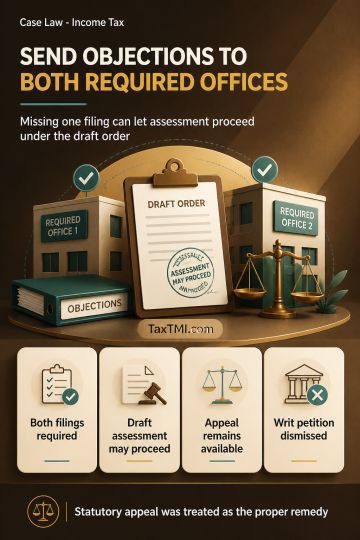
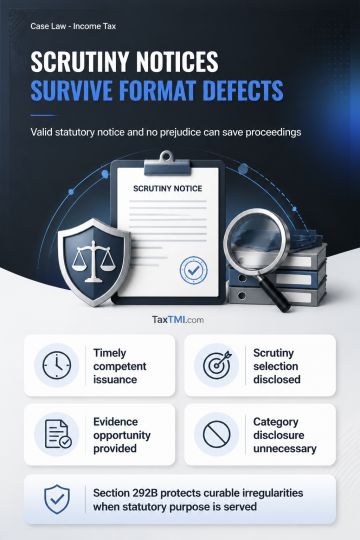
Dispute Resolution Panel objections must reach both prescribed forums; otherwise assessment may proceed and statutory appeal remains the proper remedy...
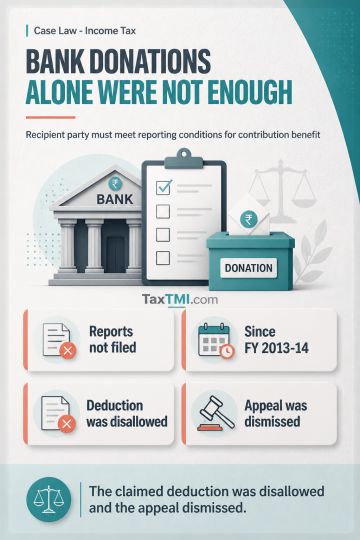
Political contribution deductions require recipient party compliance with contribution-reporting conditions; banking-channel donations alone do not qu...
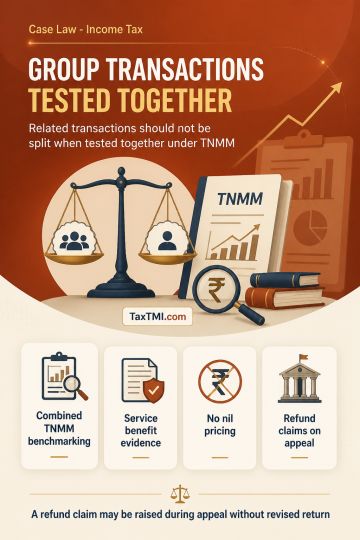
Aggregation under TNMM prevents selective testing of intra-group services without comparable uncontrolled transactions, while appellate additional cla...
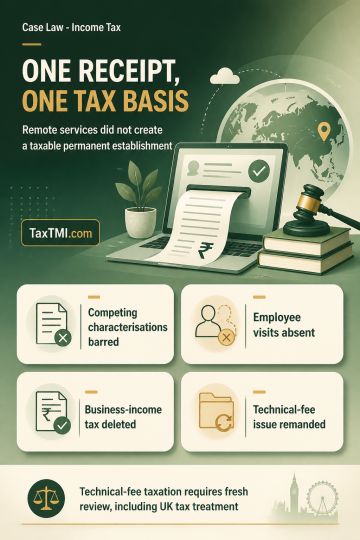
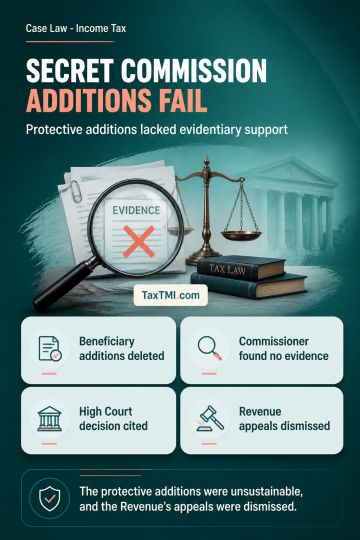
Protective assessment cannot duplicate identical receipts under competing characterisations; remote services did not establish a taxable permanent est...
The HC upheld the levy of penalty under Section 129(1)(b) of the GST Act for transit of goods without an e-way bill, finding no evidence of technical error or inadvertence, as no e-way bill was generated prior to movement. The presence of a tax invoice with the goods established the petitioner as the owner, and the temporary suspension of the purchaser's registration during transit did not adversely affect liability. The Court relied on precedent attributing an intent to evade tax in absence of an e-way bill at inspection, validating the penalty order. However, the Court modified the impugned orders, directing that proceedings be treated under Section 129(1)(a) instead of 129(1)(b), as the requisite documents accompanied the consignment. The writ petition was allowed in part, with no further interference to the penalty order.
The HC upheld the levy of penalty under Section 129(1)(b) of the GST Act for transit of goods without an e-way bill, finding no evidence of technical error or inadvertence, as no e-way bill was generated prior to movement. The presence of a tax invoice with the goods established the petitioner as the owner, and the temporary suspension of the purchaser's registration during transit did not adversely affect liability. The Court relied on precedent attributing an intent to evade tax in absence of an e-way bill at inspection, validating the penalty order. However, the Court modified the impugned orders, directing that proceedings be treated under Section 129(1)(a) instead of 129(1)(b), as the requisite documents accompanied the consignment. The writ petition was allowed in part, with no further interference to the penalty order.
Note: It is a system-generated summary and is for quick reference only.
 TaxTMI
 of 4803




 Join Channel


 TaxTMI
