Arrest safeguards require disclosed grounds, relative intimation and transit remand, while duplicate prosecution under the CGST framework is unsustain...
Document Identification Number defects can invalidate GST assessments, with delayed challenges entertained conditionally where patent irregularities e...
Windmill commissioning evidence supported higher depreciation where grid connection and electricity generation proved operational use before the relev...
Pharmaceutical promotion and transfer-pricing comparability principles limited disallowances, while uncorroborated search allegations and unsupported ...
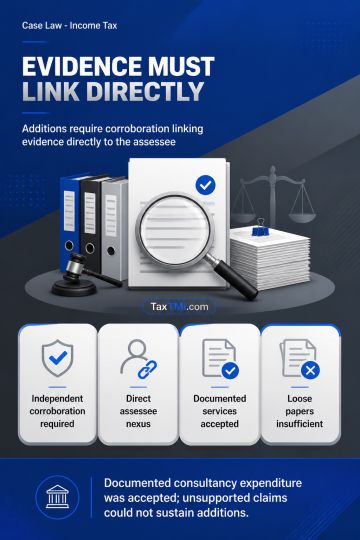
Business expenditure substantiation supports scrap credits, statutory payments and expense claims, while depreciation requires proof of actual busines...
The HC found that service of show cause notices solely by uploading on the GST portal, without exploring alternate modes of service under Section 169 of the GST Act, violated principles of natural justice by denying the petitioner an effective opportunity of hearing. The impugned ex parte order dated 17.12.2024 was set aside due to inadequate service and lack of personal hearing. The matter was remanded to the respondent for fresh consideration, subject to the petitioner depositing 25% of the disputed tax within four weeks of receiving the order. The setting aside of the order will take effect only upon such payment. The Court emphasized that reliance on a single mode of notice without due diligence to ensure effective service undermines the objectives of the GST Act and leads to unnecessary litigation, thereby wasting judicial and administrative resources. The petition was disposed accordingly.
The HC found that service of show cause notices solely by uploading on the GST portal, without exploring alternate modes of service under Section 169 of the GST Act, violated principles of natural justice by denying the petitioner an effective opportunity of hearing. The impugned ex parte order dated 17.12.2024 was set aside due to inadequate service and lack of personal hearing. The matter was remanded to the respondent for fresh consideration, subject to the petitioner depositing 25% of the disputed tax within four weeks of receiving the order. The setting aside of the order will take effect only upon such payment. The Court emphasized that reliance on a single mode of notice without due diligence to ensure effective service undermines the objectives of the GST Act and leads to unnecessary litigation, thereby wasting judicial and administrative resources. The petition was disposed accordingly.
Note: It is a system-generated summary and is for quick reference only.
 TaxTMI
 of 4805




















 Join Channel


 TaxTMI