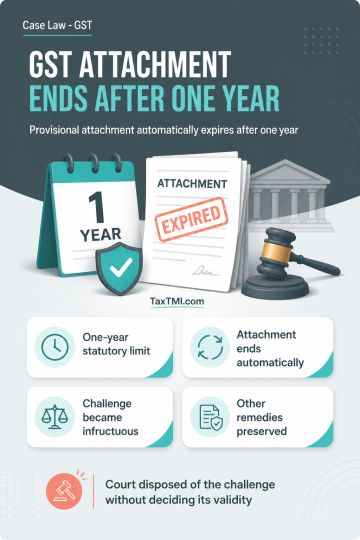
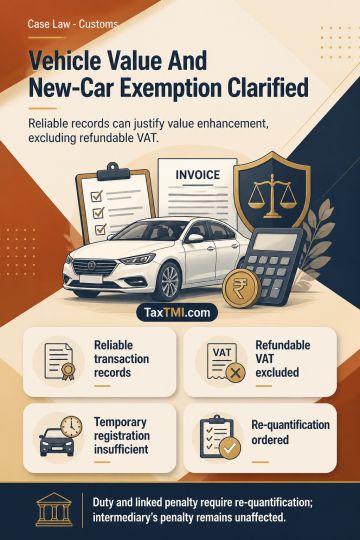
Transaction value rejection requires reliable corroboration; refundable VAT is excluded and temporary registration does not defeat new-vehicle exempti...
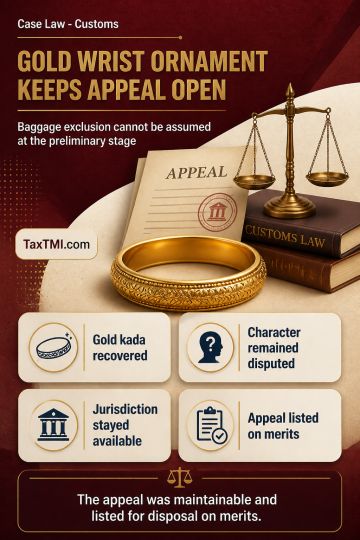
Appellate jurisdiction remains available where a wrist-worn gold ornament cannot conclusively be characterised as imported baggage at the preliminary ...
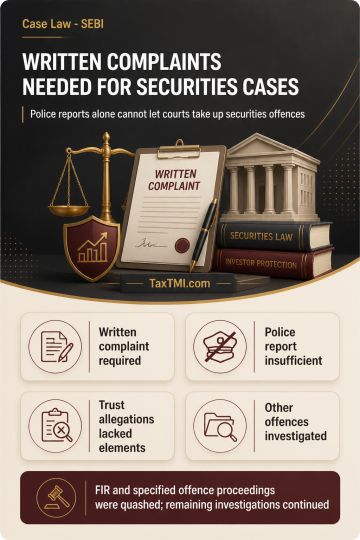
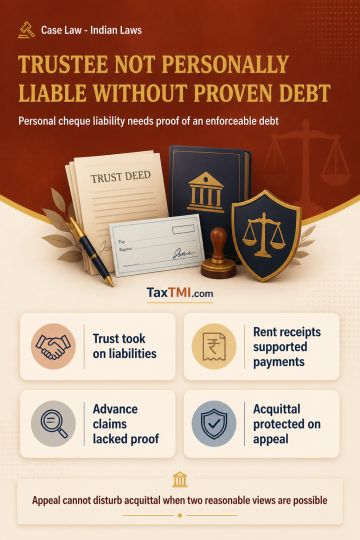
Written complaint requirement bars cognizance on police reports for securities offences, while unsupported breach of trust and cheating allegations fa...
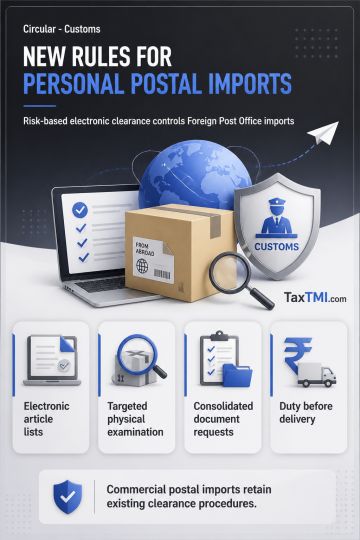
Risk-based postal import clearance standardises electronic assessment, document requests, duty realisation and delivery controls at Foreign Post Offic...
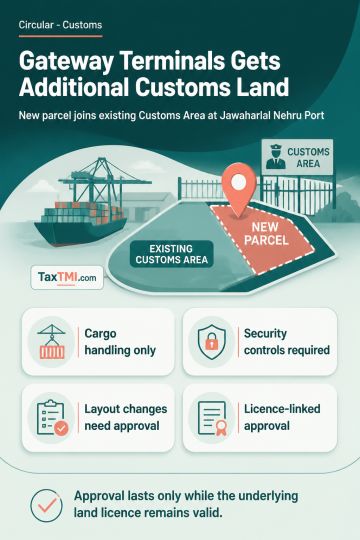
Customs Cargo Service Provider appointment extends custodianship to additional terminal land, subject to cargo-control, security and licence condition...
The HC held that in the absence of any intent to evade tax, the imposition of a 200% penalty under Section 129(1) of the WBGST/CGST Act, 2017 for transporting goods without a valid e-way bill was unwarranted. The appellants' reasons for the e-way bill's expiration, which caused highway blockage, were neither disputed nor considered by the authorities. The court noted no dispute regarding the goods, their nature, or transport documents, deeming the case unsuitable for such a heavy penalty. While acknowledging the statutory requirement for a valid e-way bill, the court recognized mitigating circumstances for delay in renewal. Consequently, the penalty was reduced to a notional amount of Rs. 25,000. The appeal and writ petition were allowed, the original penalty order set aside, and the excess amount remitted by the appellants was ordered to be refunded within three weeks.
The HC held that in the absence of any intent to evade tax, the imposition of a 200% penalty under Section 129(1) of the WBGST/CGST Act, 2017 for transporting goods without a valid e-way bill was unwarranted. The appellants' reasons for the e-way bill's expiration, which caused highway blockage, were neither disputed nor considered by the authorities. The court noted no dispute regarding the goods, their nature, or transport documents, deeming the case unsuitable for such a heavy penalty. While acknowledging the statutory requirement for a valid e-way bill, the court recognized mitigating circumstances for delay in renewal. Consequently, the penalty was reduced to a notional amount of Rs. 25,000. The appeal and writ petition were allowed, the original penalty order set aside, and the excess amount remitted by the appellants was ordered to be refunded within three weeks.
Note: It is a system-generated summary and is for quick reference only.
 TaxTMI
 of 4789




 Join Channel


 TaxTMI