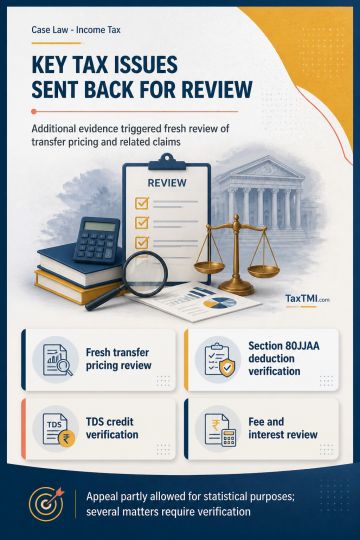
Additional evidence in transfer pricing dispute leads to fresh examination, while tax deductions, TDS credit, fee and refund interest require verifica...
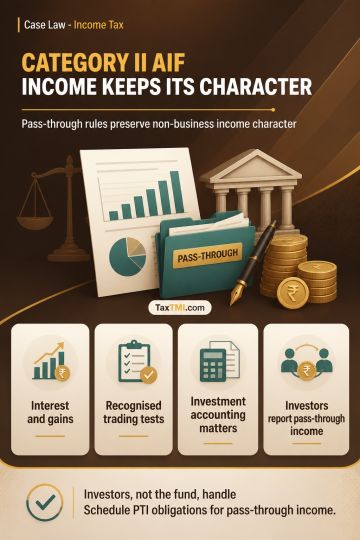
Category II AIF pass-through taxation preserves non-business income character; investment receipts cannot be reclassified without applying recognised ...
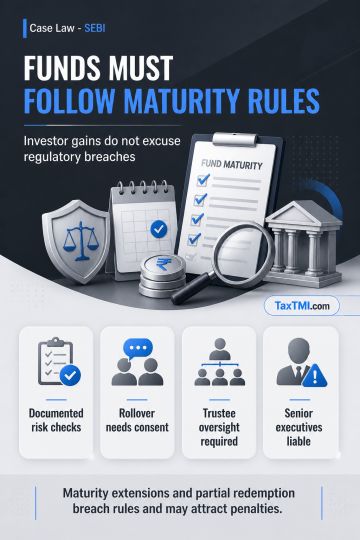
Mutual fund maturity rules require proper rollover, redemption, disclosure, and due diligence; investor gains cannot excuse regulatory breaches or pen...
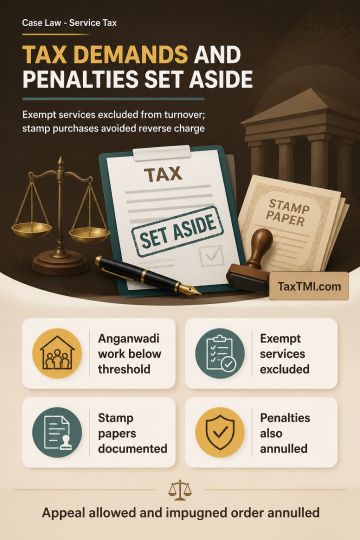
Threshold exemption excludes exempt services, while stamp-paper purchases avoid reverse charge; consequential service tax penalties were also set asid...
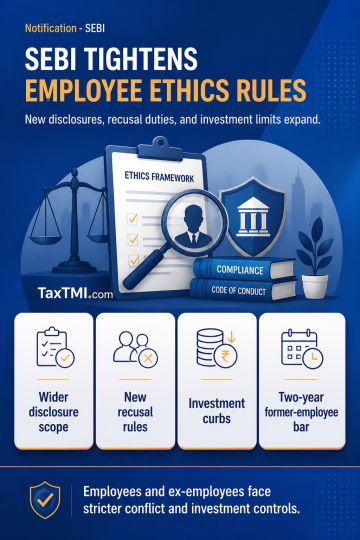
Employee conflict disclosures and investment restrictions expand with new recusal duties, post-employment limits, and compliance reporting requirement...
The HC held that in the absence of any intent to evade tax, the imposition of a 200% penalty under Section 129(1) of the WBGST/CGST Act, 2017 for transporting goods without a valid e-way bill was unwarranted. The appellants' reasons for the e-way bill's expiration, which caused highway blockage, were neither disputed nor considered by the authorities. The court noted no dispute regarding the goods, their nature, or transport documents, deeming the case unsuitable for such a heavy penalty. While acknowledging the statutory requirement for a valid e-way bill, the court recognized mitigating circumstances for delay in renewal. Consequently, the penalty was reduced to a notional amount of Rs. 25,000. The appeal and writ petition were allowed, the original penalty order set aside, and the excess amount remitted by the appellants was ordered to be refunded within three weeks.
The HC held that in the absence of any intent to evade tax, the imposition of a 200% penalty under Section 129(1) of the WBGST/CGST Act, 2017 for transporting goods without a valid e-way bill was unwarranted. The appellants' reasons for the e-way bill's expiration, which caused highway blockage, were neither disputed nor considered by the authorities. The court noted no dispute regarding the goods, their nature, or transport documents, deeming the case unsuitable for such a heavy penalty. While acknowledging the statutory requirement for a valid e-way bill, the court recognized mitigating circumstances for delay in renewal. Consequently, the penalty was reduced to a notional amount of Rs. 25,000. The appeal and writ petition were allowed, the original penalty order set aside, and the excess amount remitted by the appellants was ordered to be refunded within three weeks.
Note: It is a system-generated summary and is for quick reference only.
 TaxTMI
 of 4803







 Join Channel


 TaxTMI
