Approved resolution plans extinguish unsubmitted pre-approval tax claims, preventing later recovery outside the insolvency process and preserving a cl...
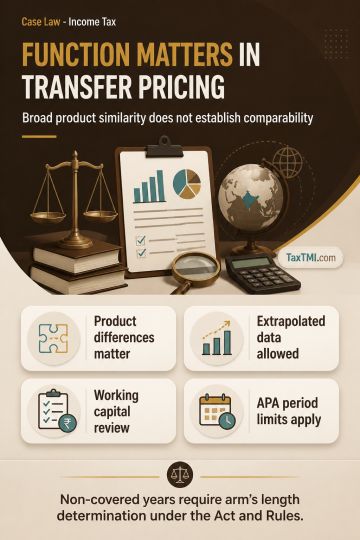
Transfer pricing comparability requires functional alignment and permits working capital adjustment, while APA margins cannot govern non-covered years...
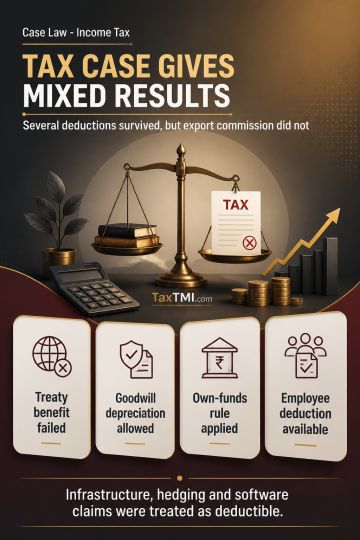
Treaty benefit, goodwill depreciation and hedging costs: export commission disallowed, while key business deductions and depreciation claims succeeded...
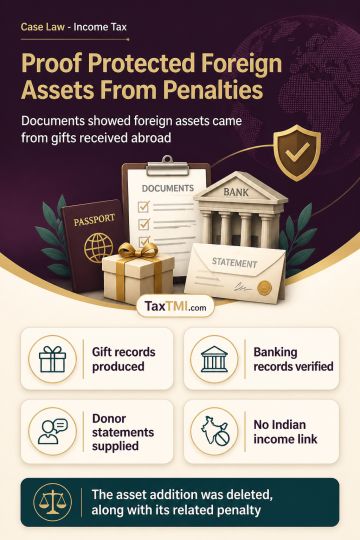
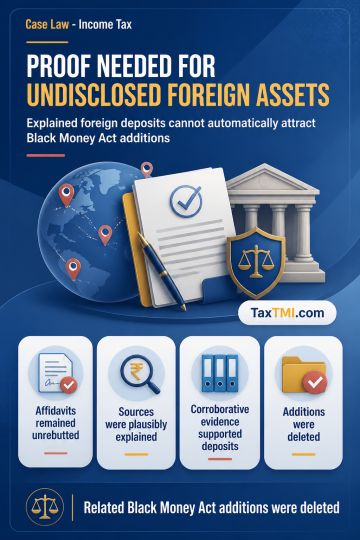
Undisclosed foreign asset classification requires an unexplained source; unrebutted affidavits and corroborative evidence defeated the Black Money Act...
The HC held that the proceedings under Section 129 of the CGST Act against the petitioner were unsustainable as the petitioner complied with the statutory requirements under Rule 138A of the CGST Rules. The petitioner produced both the invoice issued by it and the E-way bill at the time of interception, which were the requisite documents for lawful transit of goods. Alleged discrepancies raised by the revenue were not reflected in any official notices and thus could not be relied upon to justify detention. Consequently, the HC quashed the impugned notices and orders initiating the proceedings, thereby setting aside the detention of goods and terminating the action under Section 129. The writ petition was allowed, resulting in the quashing of Exts.P2, P2(a), P2(b), and P3.
The HC held that the proceedings under Section 129 of the CGST Act against the petitioner were unsustainable as the petitioner complied with the statutory requirements under Rule 138A of the CGST Rules. The petitioner produced both the invoice issued by it and the E-way bill at the time of interception, which were the requisite documents for lawful transit of goods. Alleged discrepancies raised by the revenue were not reflected in any official notices and thus could not be relied upon to justify detention. Consequently, the HC quashed the impugned notices and orders initiating the proceedings, thereby setting aside the detention of goods and terminating the action under Section 129. The writ petition was allowed, resulting in the quashing of Exts.P2, P2(a), P2(b), and P3.
Note: It is a system-generated summary and is for quick reference only.
 TaxTMI
 of 4803






 Join Channel


 TaxTMI