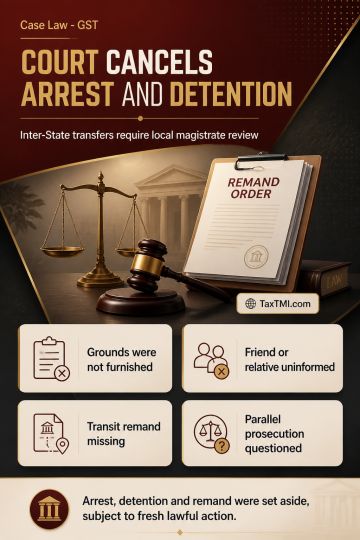
Arrest safeguards and transit remand requirements invalidated detention following inter-State transfer without communicated grounds or magistrate auth...
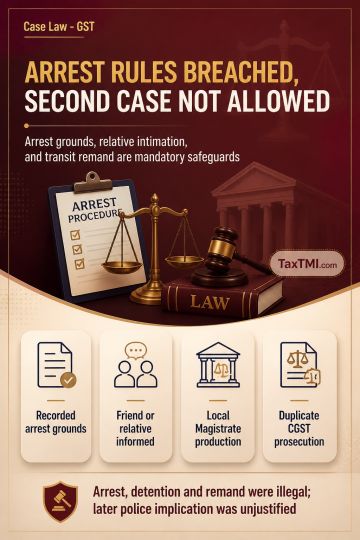
Arrest safeguards require disclosed grounds, relative intimation and transit remand, while duplicate prosecution under the CGST framework is unsustain...
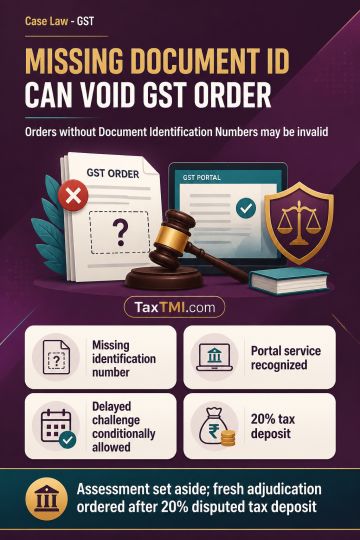
Document Identification Number defects can invalidate GST assessments, with delayed challenges entertained conditionally where patent irregularities e...
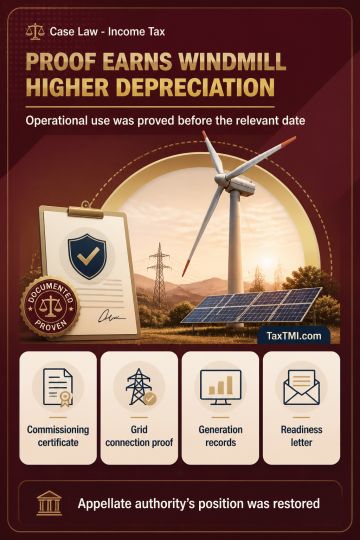
Windmill commissioning evidence supported higher depreciation where grid connection and electricity generation proved operational use before the relev...
The HC held that the proceedings under Section 129 of the CGST Act against the petitioner were unsustainable as the petitioner complied with the statutory requirements under Rule 138A of the CGST Rules. The petitioner produced both the invoice issued by it and the E-way bill at the time of interception, which were the requisite documents for lawful transit of goods. Alleged discrepancies raised by the revenue were not reflected in any official notices and thus could not be relied upon to justify detention. Consequently, the HC quashed the impugned notices and orders initiating the proceedings, thereby setting aside the detention of goods and terminating the action under Section 129. The writ petition was allowed, resulting in the quashing of Exts.P2, P2(a), P2(b), and P3.
The HC held that the proceedings under Section 129 of the CGST Act against the petitioner were unsustainable as the petitioner complied with the statutory requirements under Rule 138A of the CGST Rules. The petitioner produced both the invoice issued by it and the E-way bill at the time of interception, which were the requisite documents for lawful transit of goods. Alleged discrepancies raised by the revenue were not reflected in any official notices and thus could not be relied upon to justify detention. Consequently, the HC quashed the impugned notices and orders initiating the proceedings, thereby setting aside the detention of goods and terminating the action under Section 129. The writ petition was allowed, resulting in the quashing of Exts.P2, P2(a), P2(b), and P3.
Note: It is a system-generated summary and is for quick reference only.
 TaxTMI
 of 4801






 Join Channel


 TaxTMI