Transaction value rejection requires reliable corroboration; refundable VAT is excluded and temporary registration does not defeat new-vehicle exempti...
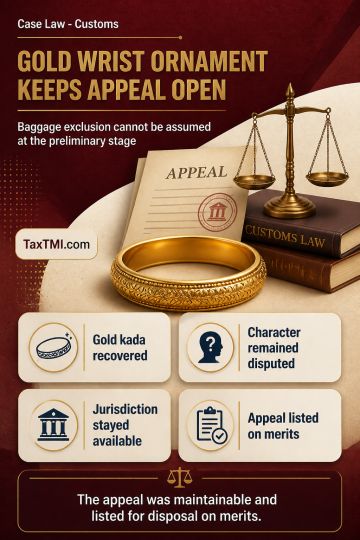
Appellate jurisdiction remains available where a wrist-worn gold ornament cannot conclusively be characterised as imported baggage at the preliminary ...
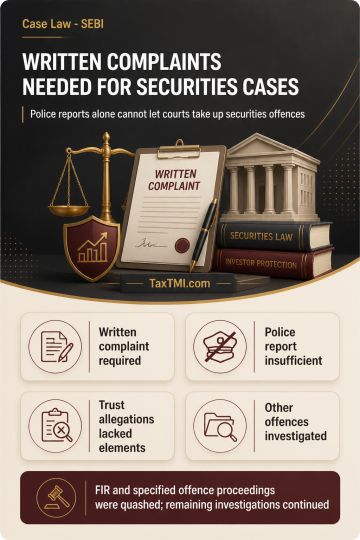
Written complaint requirement bars cognizance on police reports for securities offences, while unsupported breach of trust and cheating allegations fa...
Risk-based postal import clearance standardises electronic assessment, document requests, duty realisation and delivery controls at Foreign Post Offic...
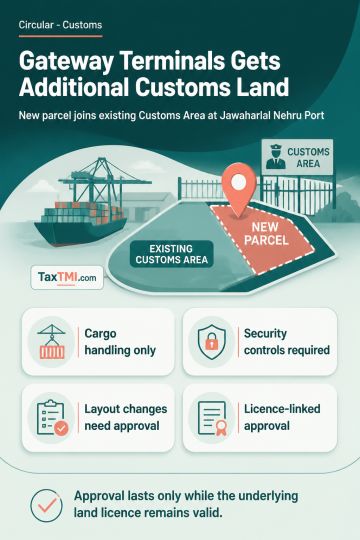
Customs Cargo Service Provider appointment extends custodianship to additional terminal land, subject to cargo-control, security and licence condition...
The HC held that the proceedings under Section 129 of the CGST Act against the petitioner were unsustainable as the petitioner complied with the statutory requirements under Rule 138A of the CGST Rules. The petitioner produced both the invoice issued by it and the E-way bill at the time of interception, which were the requisite documents for lawful transit of goods. Alleged discrepancies raised by the revenue were not reflected in any official notices and thus could not be relied upon to justify detention. Consequently, the HC quashed the impugned notices and orders initiating the proceedings, thereby setting aside the detention of goods and terminating the action under Section 129. The writ petition was allowed, resulting in the quashing of Exts.P2, P2(a), P2(b), and P3.
The HC held that the proceedings under Section 129 of the CGST Act against the petitioner were unsustainable as the petitioner complied with the statutory requirements under Rule 138A of the CGST Rules. The petitioner produced both the invoice issued by it and the E-way bill at the time of interception, which were the requisite documents for lawful transit of goods. Alleged discrepancies raised by the revenue were not reflected in any official notices and thus could not be relied upon to justify detention. Consequently, the HC quashed the impugned notices and orders initiating the proceedings, thereby setting aside the detention of goods and terminating the action under Section 129. The writ petition was allowed, resulting in the quashing of Exts.P2, P2(a), P2(b), and P3.
Note: It is a system-generated summary and is for quick reference only.
 TaxTMI
 of 4792






 Join Channel


 TaxTMI