Prolonged sterilisation of development rights supports capital-gains treatment, while business-income disallowances cannot govern capital-gains comput...
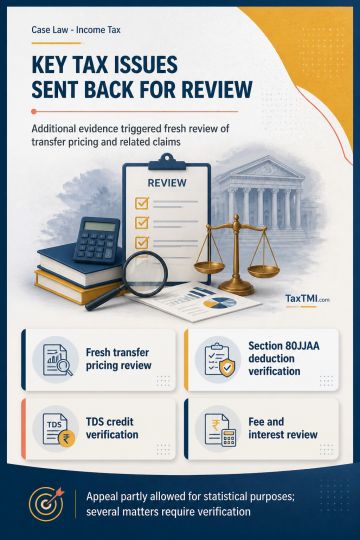
Additional evidence in transfer pricing dispute leads to fresh examination, while tax deductions, TDS credit, fee and refund interest require verifica...
Category II AIF pass-through taxation preserves non-business income character; investment receipts cannot be reclassified without applying recognised ...
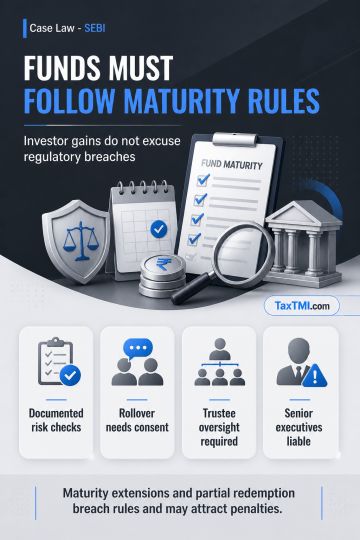
Mutual fund maturity rules require proper rollover, redemption, disclosure, and due diligence; investor gains cannot excuse regulatory breaches or pen...
Threshold exemption excludes exempt services, while stamp-paper purchases avoid reverse charge; consequential service tax penalties were also set asid...
The HC upheld the Adjudicating Authority's findings of fraudulent availment and further passing on of ITC based on invoices from non-existent entities, rejecting the petitioner's replies as insufficient to contest the investigation. The Court emphasized that establishing fraudulent ITC utilization often requires analysis across multiple financial years to reveal consistent patterns of bogus transactions. It held that the non-grant of cross-examination caused no prejudice, as all relied-upon documents were recovered from the petitioner's premises, who was aware of the actual status of the parties involved. The HC declined to reappraise factual findings in writ jurisdiction, noting its limited scope under Articles 226 and 227. The petitioner was granted an extended period until 31 August 2025 to file a time-barred appeal with requisite pre-deposit, which will be heard on merits if filed within the stipulated time. The petition was disposed of accordingly.
The HC upheld the Adjudicating Authority's findings of fraudulent availment and further passing on of ITC based on invoices from non-existent entities, rejecting the petitioner's replies as insufficient to contest the investigation. The Court emphasized that establishing fraudulent ITC utilization often requires analysis across multiple financial years to reveal consistent patterns of bogus transactions. It held that the non-grant of cross-examination caused no prejudice, as all relied-upon documents were recovered from the petitioner's premises, who was aware of the actual status of the parties involved. The HC declined to reappraise factual findings in writ jurisdiction, noting its limited scope under Articles 226 and 227. The petitioner was granted an extended period until 31 August 2025 to file a time-barred appeal with requisite pre-deposit, which will be heard on merits if filed within the stipulated time. The petition was disposed of accordingly.
Note: It is a system-generated summary and is for quick reference only.
 TaxTMI
 of 4805












 Join Channel


 TaxTMI
