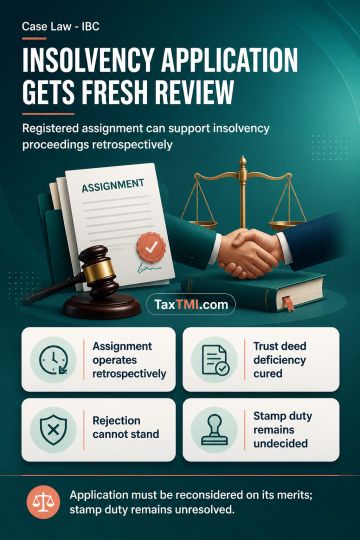
Transfer pricing and tax deductions upheld on established principles, while employee contributions and warranty provisions returned for fresh examinat...
Captive transfer pricing relies on industrial consumer tariffs, while genuine quotations can benchmark effluent treatment transfers under the Other Me...
Specific tariff classification for ophthalmic instruments and extended limitation principles determine the treatment of duty demands, confiscation, an...
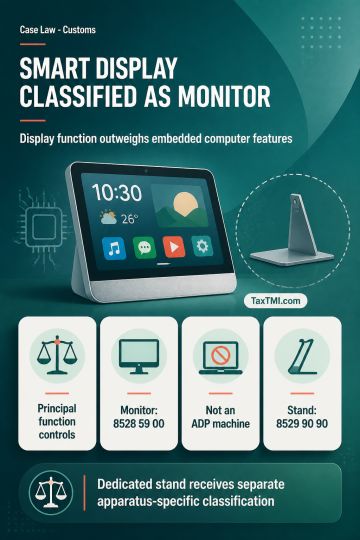
Integrated golf function determines classification, placing launch monitors and simulators under other golf equipment rather than measuring instrument...
Public servant status under anti-corruption law extends to recognised stock exchange leadership; constitutional and sanction challenges do not succeed...
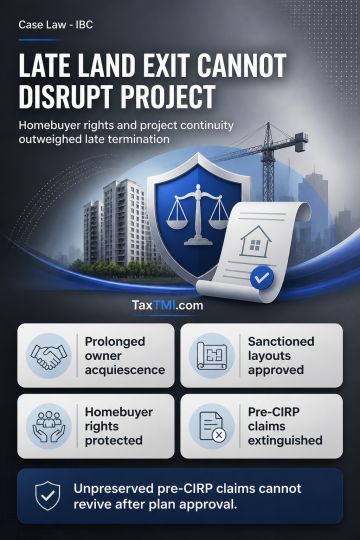
Acquiescence, homebuyer protection and clean-slate resolution principles prevent landowners from disrupting an integrated project through late termina...
The HC upheld the Adjudicating Authority's findings of fraudulent availment and further passing on of ITC based on invoices from non-existent entities, rejecting the petitioner's replies as insufficient to contest the investigation. The Court emphasized that establishing fraudulent ITC utilization often requires analysis across multiple financial years to reveal consistent patterns of bogus transactions. It held that the non-grant of cross-examination caused no prejudice, as all relied-upon documents were recovered from the petitioner's premises, who was aware of the actual status of the parties involved. The HC declined to reappraise factual findings in writ jurisdiction, noting its limited scope under Articles 226 and 227. The petitioner was granted an extended period until 31 August 2025 to file a time-barred appeal with requisite pre-deposit, which will be heard on merits if filed within the stipulated time. The petition was disposed of accordingly.
The HC upheld the Adjudicating Authority's findings of fraudulent availment and further passing on of ITC based on invoices from non-existent entities, rejecting the petitioner's replies as insufficient to contest the investigation. The Court emphasized that establishing fraudulent ITC utilization often requires analysis across multiple financial years to reveal consistent patterns of bogus transactions. It held that the non-grant of cross-examination caused no prejudice, as all relied-upon documents were recovered from the petitioner's premises, who was aware of the actual status of the parties involved. The HC declined to reappraise factual findings in writ jurisdiction, noting its limited scope under Articles 226 and 227. The petitioner was granted an extended period until 31 August 2025 to file a time-barred appeal with requisite pre-deposit, which will be heard on merits if filed within the stipulated time. The petition was disposed of accordingly.
Note: It is a system-generated summary and is for quick reference only.
 TaxTMI
 of 4805


















 Join Channel


 TaxTMI