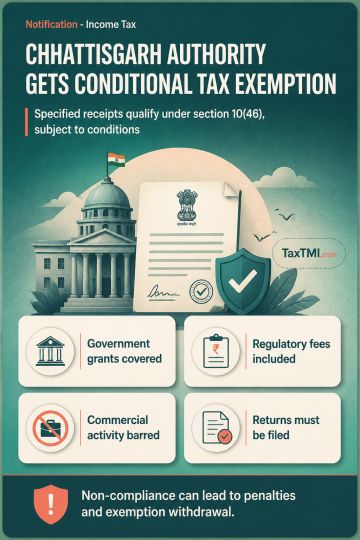
Specified regulatory authority income receives conditional tax exemption, subject to non-commercial activity, unchanged income character, and return f...
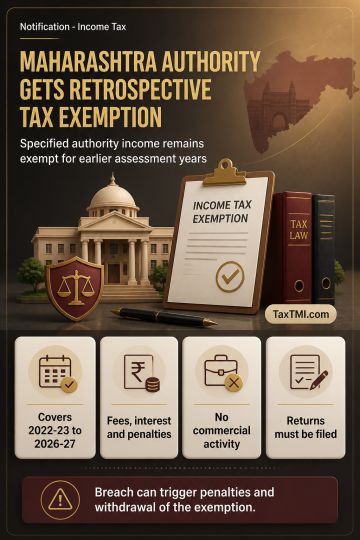
Tax exemption for regulatory authority income applies retrospectively, subject to non-commercial activity, unchanged income sources, and return-filing...
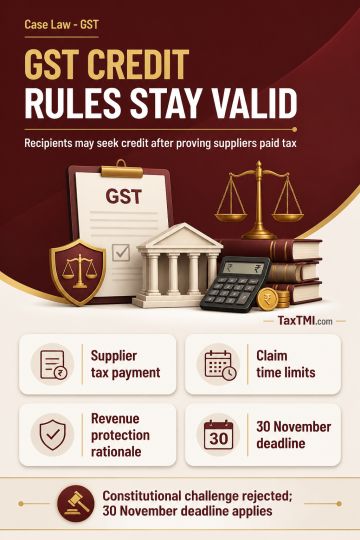
Input tax credit conditions remain constitutionally valid, with eligible recipient claims considered under GST circulars and retrospective filing dead...
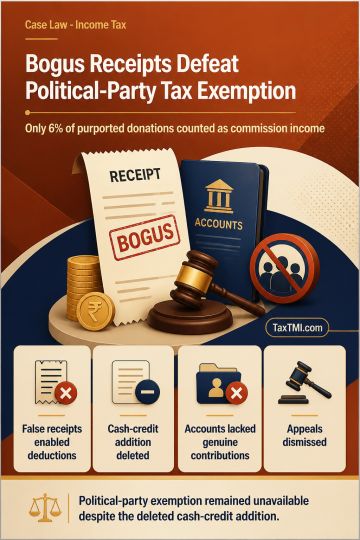
Bogus donation receipts justified commission income assessment and defeated political-party tax exemption for inaccurate accounts and reporting failur...
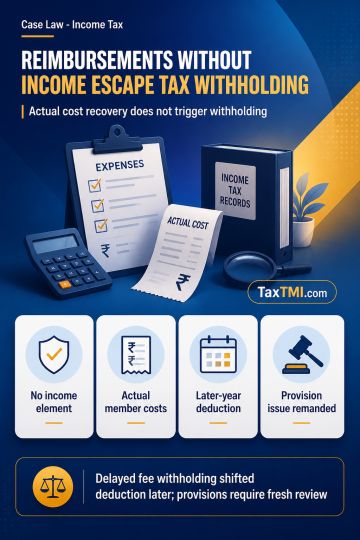
Pure reimbursement without income element escapes tax withholding, while delayed withholding and unsupported provisions face deferred or renewed scrut...
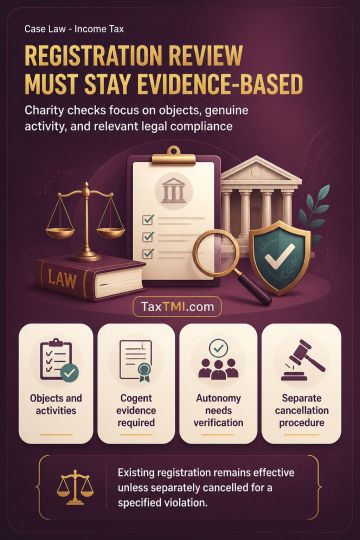
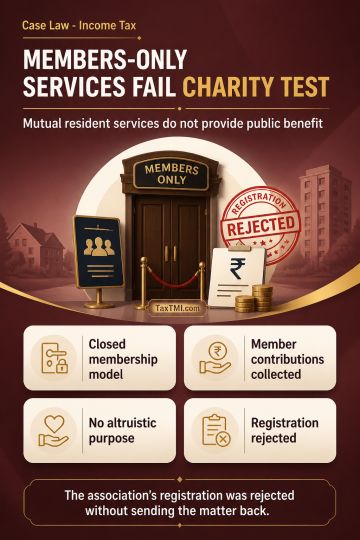
Public benefit requirement defeats charitable registration where residents' association services are reciprocal, member-only facilities governed by mu...
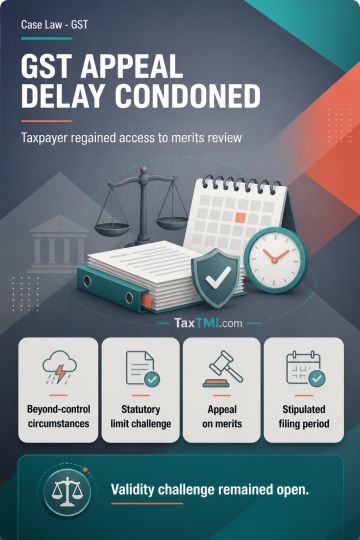
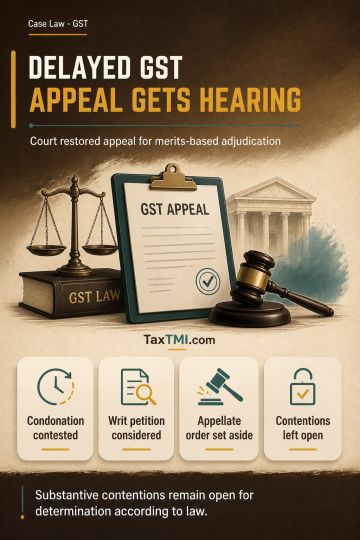
The HC upheld the Adjudicating Authority's findings of fraudulent availment and further passing on of ITC based on invoices from non-existent entities, rejecting the petitioner's replies as insufficient to contest the investigation. The Court emphasized that establishing fraudulent ITC utilization often requires analysis across multiple financial years to reveal consistent patterns of bogus transactions. It held that the non-grant of cross-examination caused no prejudice, as all relied-upon documents were recovered from the petitioner's premises, who was aware of the actual status of the parties involved. The HC declined to reappraise factual findings in writ jurisdiction, noting its limited scope under Articles 226 and 227. The petitioner was granted an extended period until 31 August 2025 to file a time-barred appeal with requisite pre-deposit, which will be heard on merits if filed within the stipulated time. The petition was disposed of accordingly.
The HC upheld the Adjudicating Authority's findings of fraudulent availment and further passing on of ITC based on invoices from non-existent entities, rejecting the petitioner's replies as insufficient to contest the investigation. The Court emphasized that establishing fraudulent ITC utilization often requires analysis across multiple financial years to reveal consistent patterns of bogus transactions. It held that the non-grant of cross-examination caused no prejudice, as all relied-upon documents were recovered from the petitioner's premises, who was aware of the actual status of the parties involved. The HC declined to reappraise factual findings in writ jurisdiction, noting its limited scope under Articles 226 and 227. The petitioner was granted an extended period until 31 August 2025 to file a time-barred appeal with requisite pre-deposit, which will be heard on merits if filed within the stipulated time. The petition was disposed of accordingly.
Note: It is a system-generated summary and is for quick reference only.
 TaxTMI
 of 4800



 Join Channel


 TaxTMI