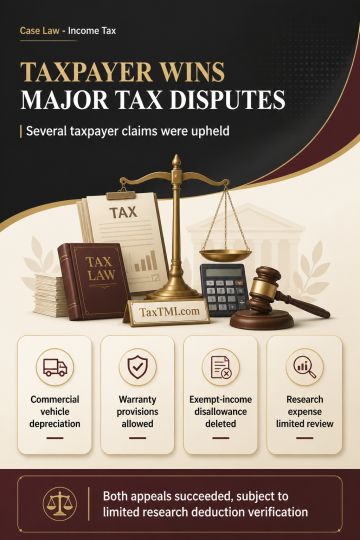
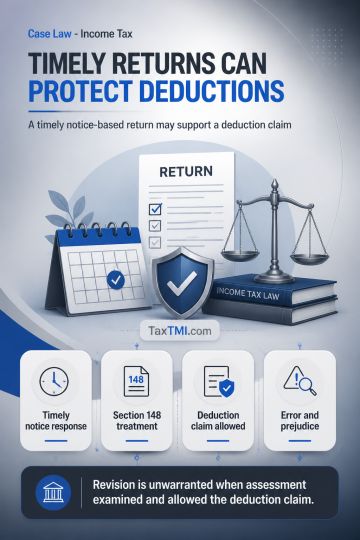
Commercial vehicle depreciation, scientifically determined warranty provisions and exempt-income disallowances were resolved in favour of the taxpayer...
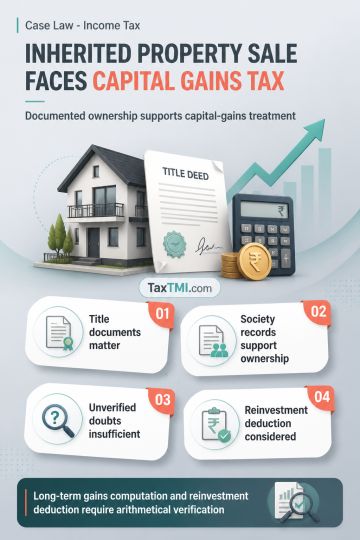
Inherited property sale proceeds require capital-gains treatment where ownership is supported by evidence, not suspicion or unverified signature doubt...
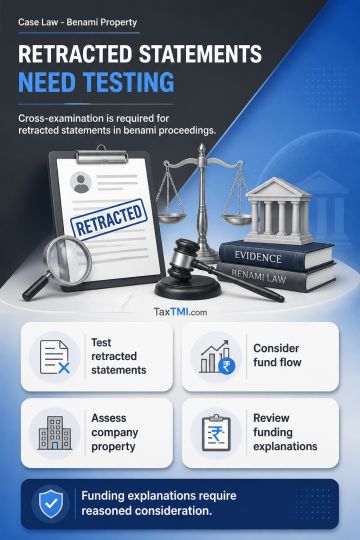
Cross-examination of retracted statements is essential where foundational evidence supports a benami allegation and documented funding explanations re...
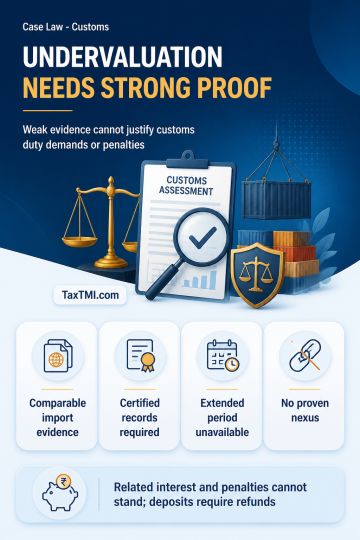
Capital-goods exemption covers plant-modernisation accessories, while the import restriction applies only to earlier capital-goods components and spar...
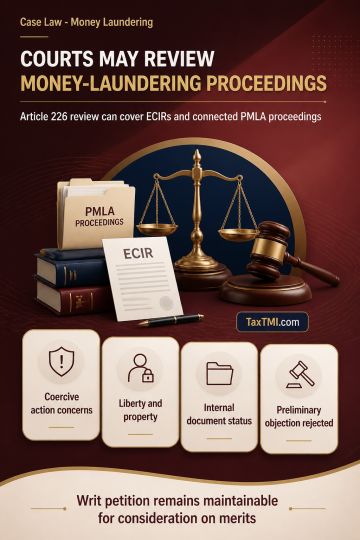
Constitutional judicial review permits challenges to ECIRs and connected money-laundering proceedings where coercive action affects fundamental intere...
The HC upheld the Adjudicating Authority's findings of fraudulent availment and further passing on of ITC based on invoices from non-existent entities, rejecting the petitioner's replies as insufficient to contest the investigation. The Court emphasized that establishing fraudulent ITC utilization often requires analysis across multiple financial years to reveal consistent patterns of bogus transactions. It held that the non-grant of cross-examination caused no prejudice, as all relied-upon documents were recovered from the petitioner's premises, who was aware of the actual status of the parties involved. The HC declined to reappraise factual findings in writ jurisdiction, noting its limited scope under Articles 226 and 227. The petitioner was granted an extended period until 31 August 2025 to file a time-barred appeal with requisite pre-deposit, which will be heard on merits if filed within the stipulated time. The petition was disposed of accordingly.
The HC upheld the Adjudicating Authority's findings of fraudulent availment and further passing on of ITC based on invoices from non-existent entities, rejecting the petitioner's replies as insufficient to contest the investigation. The Court emphasized that establishing fraudulent ITC utilization often requires analysis across multiple financial years to reveal consistent patterns of bogus transactions. It held that the non-grant of cross-examination caused no prejudice, as all relied-upon documents were recovered from the petitioner's premises, who was aware of the actual status of the parties involved. The HC declined to reappraise factual findings in writ jurisdiction, noting its limited scope under Articles 226 and 227. The petitioner was granted an extended period until 31 August 2025 to file a time-barred appeal with requisite pre-deposit, which will be heard on merits if filed within the stipulated time. The petition was disposed of accordingly.
Note: It is a system-generated summary and is for quick reference only.
 TaxTMI
 of 4796









 Join Channel


 TaxTMI
