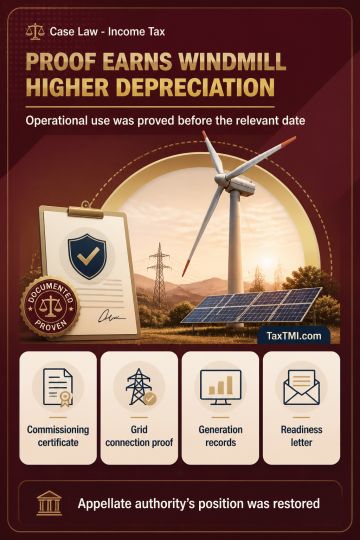
Windmill commissioning evidence supported higher depreciation where grid connection and electricity generation proved operational use before the relev...
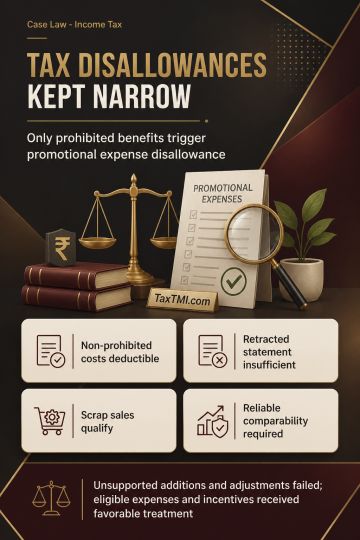
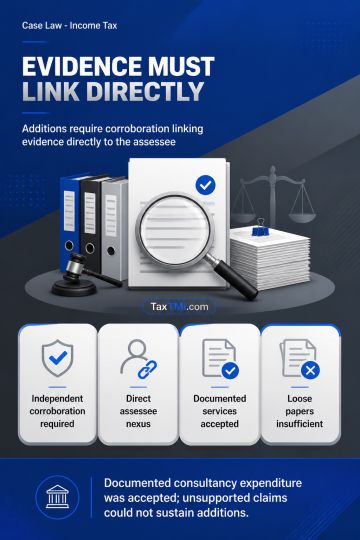
Pharmaceutical promotion and transfer-pricing comparability principles limited disallowances, while uncorroborated search allegations and unsupported ...
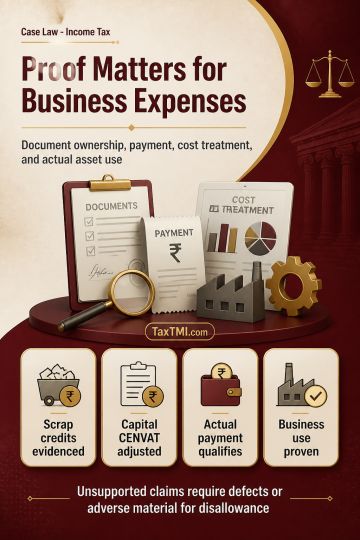
Business expenditure substantiation supports scrap credits, statutory payments and expense claims, while depreciation requires proof of actual busines...
The HC held that initiation of proceedings under section 130 of the GST Act is impermissible where excess stock is found during a survey. Instead, proceedings must be initiated under sections 73 or 74 of the GST Act for tax recovery. The Court emphasized that the law consistently mandates the use of sections 73/74 in such cases, rejecting invocation of section 130 read with the relevant rules. Consequently, the impugned orders passed by the Deputy Commissioner and Additional Commissioner were quashed as unsustainable in law. The petition was allowed, clarifying that assessment and recovery in cases of excess stock found during survey must proceed exclusively under sections 73/74, not section 130.
The HC held that initiation of proceedings under section 130 of the GST Act is impermissible where excess stock is found during a survey. Instead, proceedings must be initiated under sections 73 or 74 of the GST Act for tax recovery. The Court emphasized that the law consistently mandates the use of sections 73/74 in such cases, rejecting invocation of section 130 read with the relevant rules. Consequently, the impugned orders passed by the Deputy Commissioner and Additional Commissioner were quashed as unsustainable in law. The petition was allowed, clarifying that assessment and recovery in cases of excess stock found during survey must proceed exclusively under sections 73/74, not section 130.
Note: It is a system-generated summary and is for quick reference only.
 TaxTMI
 of 4803








 Join Channel


 TaxTMI
