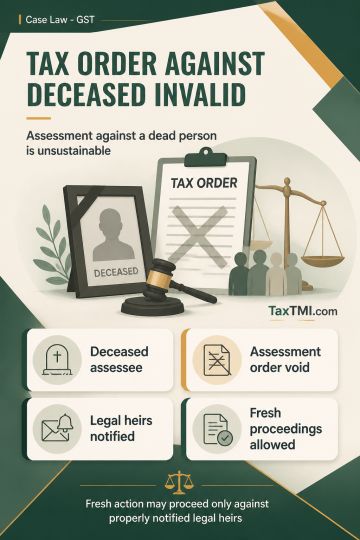
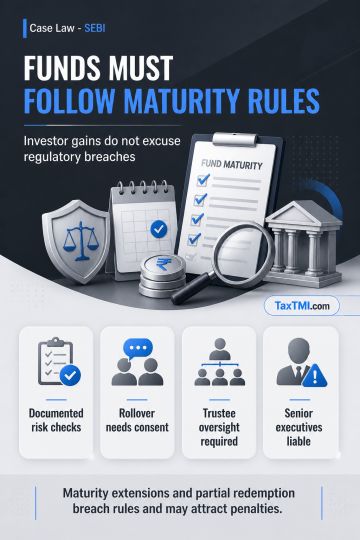
Mutual fund maturity rules require proper rollover, redemption, disclosure, and due diligence; investor gains cannot excuse regulatory breaches or pen...
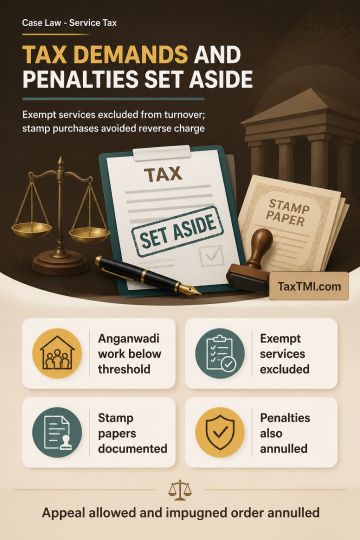
Threshold exemption excludes exempt services, while stamp-paper purchases avoid reverse charge; consequential service tax penalties were also set asid...
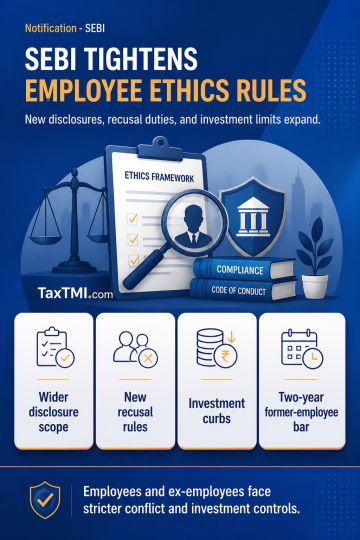
Employee conflict disclosures and investment restrictions expand with new recusal duties, post-employment limits, and compliance reporting requirement...
The HC held that the limitation period for claiming a refund of excess taxes paid under Section 77 of the BGST/CGST Act, 2017, read with Section 19 of the IGST Act and Rule 19(1A), commences from the date of deposit of the tax under the IGST Act, not from the date of SGST and CGST deposit. The Respondent authority erred in computing limitation from January 2018, rendering the statutory provisions and clarificatory Circular ineffective. The Court recognized the benevolent extension of limitation provided by the Circular for wrongful tax deposits. Consequently, the impugned order rejecting the refund application was declared legally unsustainable and set aside. The petitioner's application for refund was allowed.
The HC held that the limitation period for claiming a refund of excess taxes paid under Section 77 of the BGST/CGST Act, 2017, read with Section 19 of the IGST Act and Rule 19(1A), commences from the date of deposit of the tax under the IGST Act, not from the date of SGST and CGST deposit. The Respondent authority erred in computing limitation from January 2018, rendering the statutory provisions and clarificatory Circular ineffective. The Court recognized the benevolent extension of limitation provided by the Circular for wrongful tax deposits. Consequently, the impugned order rejecting the refund application was declared legally unsustainable and set aside. The petitioner's application for refund was allowed.
Note: It is a system-generated summary and is for quick reference only.
 TaxTMI
 of 4805









 Join Channel


 TaxTMI