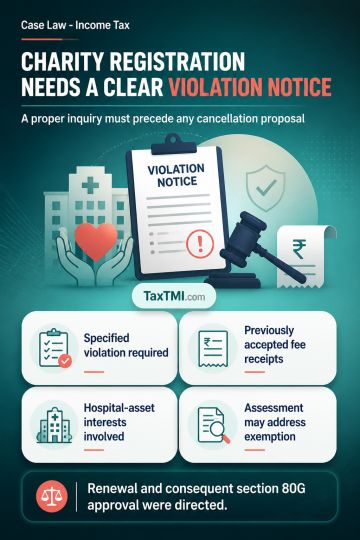
Charitable trust registration requires a specified-violation notice; settled cash deposits and related-party payments did not justify cancellation or ...
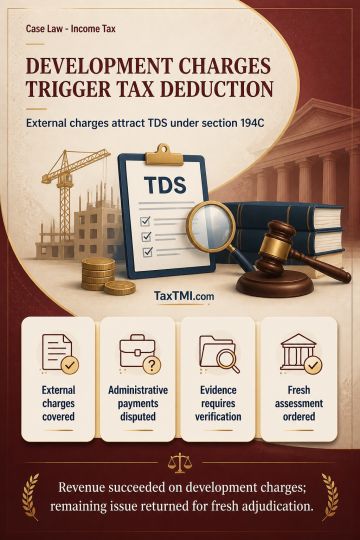
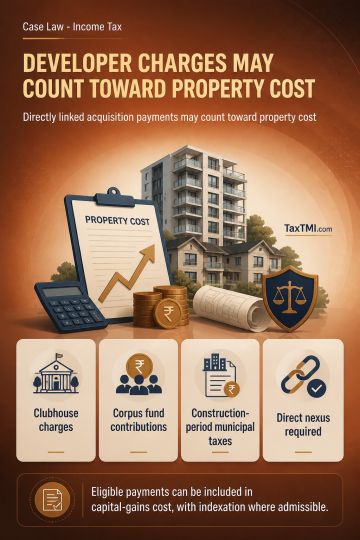
External development charges trigger TDS under section 194C, while disputed administrative payments require factual verification and fresh adjudicatio...
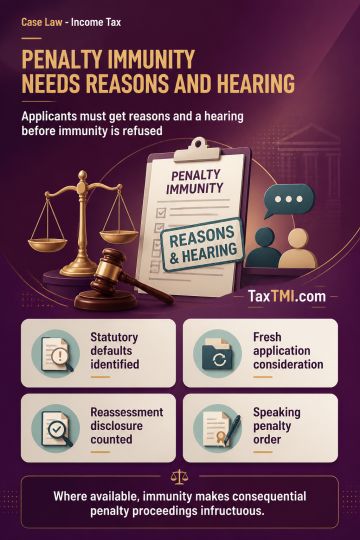
Section 270AA penalty immunity requires identified statutory defaults and a hearing before rejection; reassessment disclosure may constitute under-rep...
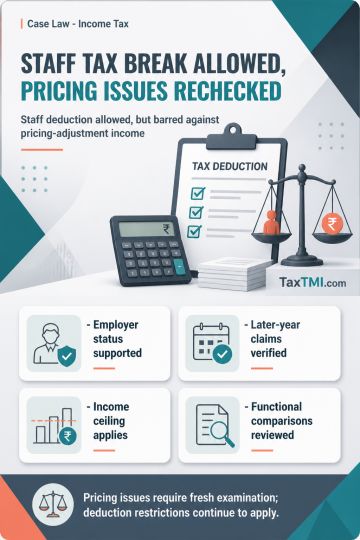
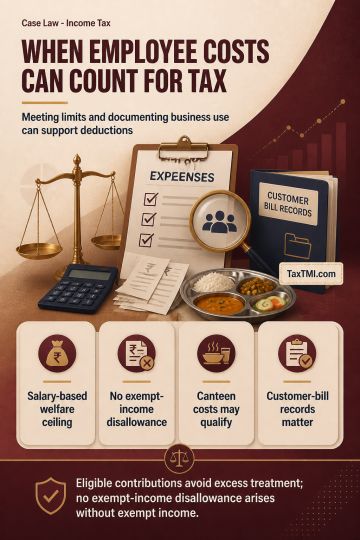
Section 80JJAA employee-cost deduction allowed for deployed staff but barred against transfer-pricing income enhancement, with pricing issues remanded...
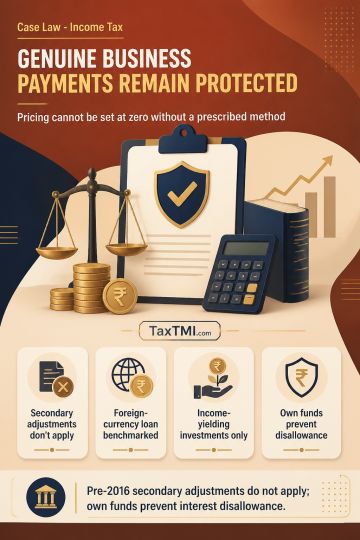
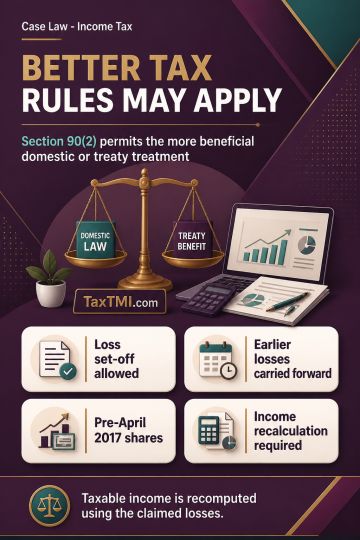
Transfer-pricing methodology protects commercially genuine associated-enterprise payments, while pre-2016 secondary adjustments and related notional i...
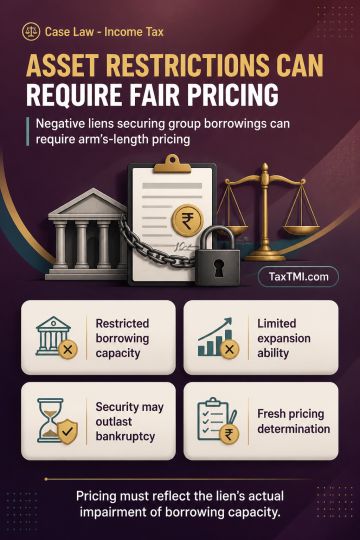
Negative liens over operating assets can constitute international transactions requiring arm's-length pricing reflecting restricted borrowing and expa...
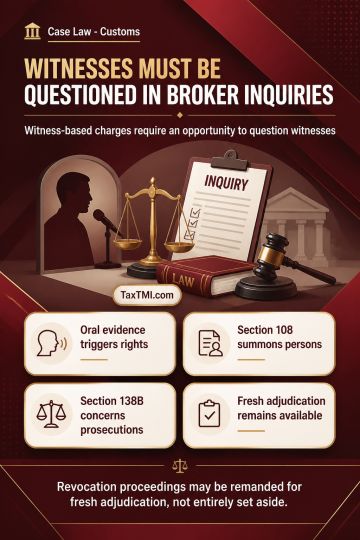
Cross-examination rights in Customs Broker revocation inquiries require witness examination; procedural denial may be cured through fresh adjudication...
The SC held that the fatal accident occurring 5 kms from the factory, while the deceased night watchman was proceeding to his workplace, arose out of and in the course of employment under the EC Act. Section 51E of the ESI Act, being clarificatory and retrospective, confirms that accidents during commuting are deemed to arise from employment, reflecting the beneficial social security purpose of both statutes. The Court emphasized the liberal construction required for social welfare legislation and the principle of statutes in pari materia. It restored the Commissioner for Workmen's Compensation's award, ordering compensation under the EC Act, and set aside the High Court's contrary judgment. The nexus between the time, place, and circumstances of the accident with employment was established, entitling the dependents to compensation. The appeal was allowed accordingly.
The SC held that the fatal accident occurring 5 kms from the factory, while the deceased night watchman was proceeding to his workplace, arose out of and in the course of employment under the EC Act. Section 51E of the ESI Act, being clarificatory and retrospective, confirms that accidents during commuting are deemed to arise from employment, reflecting the beneficial social security purpose of both statutes. The Court emphasized the liberal construction required for social welfare legislation and the principle of statutes in pari materia. It restored the Commissioner for Workmen's Compensation's award, ordering compensation under the EC Act, and set aside the High Court's contrary judgment. The nexus between the time, place, and circumstances of the accident with employment was established, entitling the dependents to compensation. The appeal was allowed accordingly.
Note: It is a system-generated summary and is for quick reference only.
 TaxTMI
  TaxTMI
 of 4828








 Join Channel


