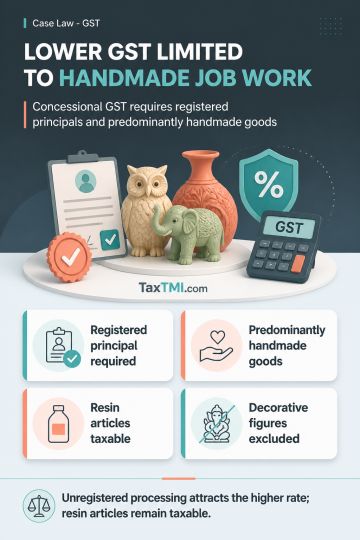
Handicraft job work receives concessional GST only for registered principals and predominantly handmade goods; commercial resin articles remain taxabl...
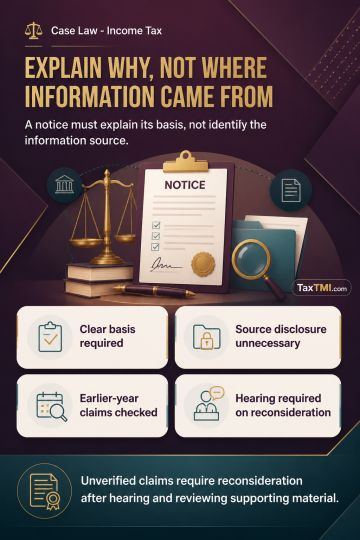
Reassessment disclosure requirements permit stated reasons without revealing information sources, but prior-taxation claims require full examination b...
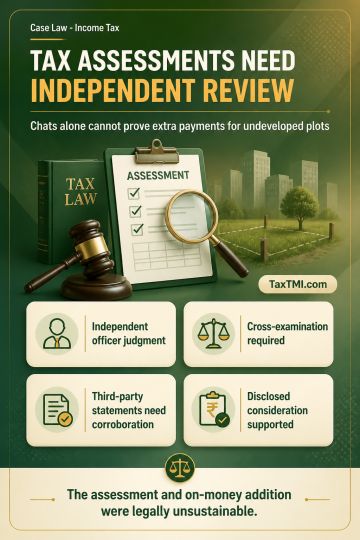
Independent assessment discretion and corroborated electronic evidence determine validity of on-money additions and undisclosed-consideration assessme...
The ITAT set aside the penalty imposed under section 271(1)(c) relating to TDS under section 195 on payments made to associated enterprises for online advertisement purchases, which were treated as Fees for Technical Services. The Tribunal noted that requisite forms (15C and 15CB) were filed for all transactions, and no prior penal action was initiated under TDS provisions. It emphasized that such online advertisement payments from abroad are not taxable under the Income Tax Act or relevant DTAA, corroborated by the introduction of the Equalization Levy under the Finance Act, 2016. The Tribunal held that the dispute involved a bona fide difference of opinion rather than concealment or misreporting of facts. Given that the CIT(A) allowed part of the transactions, the penalty was unwarranted. Consequently, the appeal was allowed, and the penalty was quashed.
The ITAT set aside the penalty imposed under section 271(1)(c) relating to TDS under section 195 on payments made to associated enterprises for online advertisement purchases, which were treated as Fees for Technical Services. The Tribunal noted that requisite forms (15C and 15CB) were filed for all transactions, and no prior penal action was initiated under TDS provisions. It emphasized that such online advertisement payments from abroad are not taxable under the Income Tax Act or relevant DTAA, corroborated by the introduction of the Equalization Levy under the Finance Act, 2016. The Tribunal held that the dispute involved a bona fide difference of opinion rather than concealment or misreporting of facts. Given that the CIT(A) allowed part of the transactions, the penalty was unwarranted. Consequently, the appeal was allowed, and the penalty was quashed.
Note: It is a system-generated summary and is for quick reference only.
 TaxTMI
  TaxTMI
 of 4828








 Join Channel


