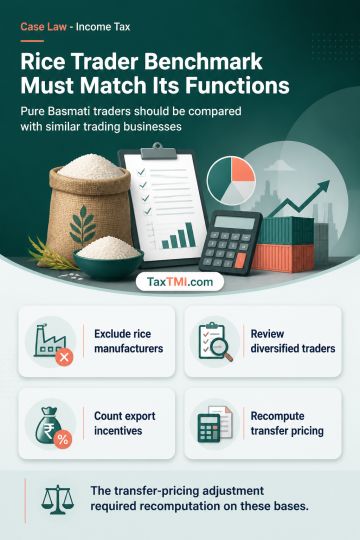
TNMM functional comparability requires excluding rice manufacturers from a pure Basmati rice trader's benchmark and recognising operating export recei...
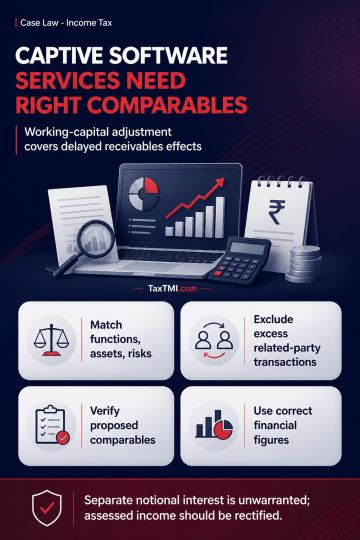
Working-capital adjustment subsumes delayed-receivable effects in TNMM benchmarking of captive software-development services, avoiding separate notion...
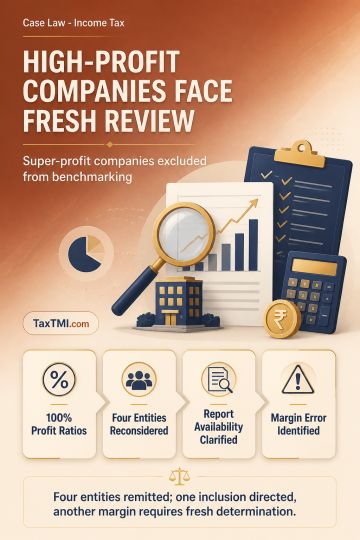
Transfer-pricing comparability requires exclusion of financially illogical super-profit comparables and correction of unsupported annual-report and ma...
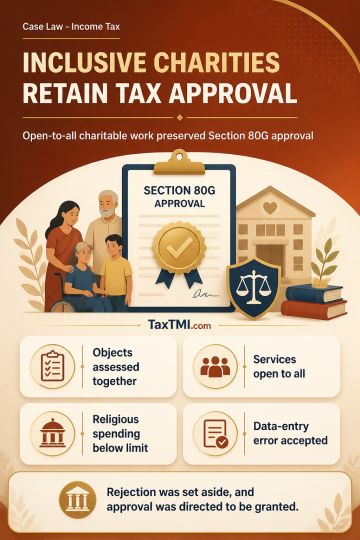
Charitable character assessment preserves Section 80G approval despite inclusive spiritual teachings and incidental religious expenditure within the s...
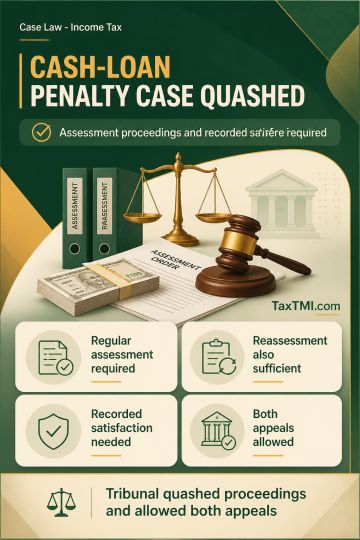
Penalty proceedings for cash-loan acceptance require assessment proceedings and recorded Assessing Officer satisfaction; absent these, the proceedings...
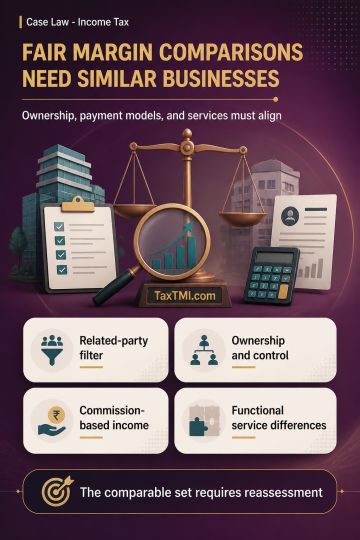
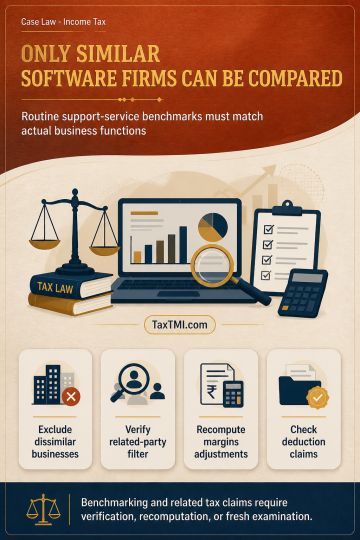
Functional comparability governs software-service benchmarking: dissimilar companies are excluded, while related-party filters, margins and working-ca...
The CESTAT allowed the appeal, setting aside the penalty imposed under Section 117 of the Customs Act, 1962, for alleged mis-declaration on airway bills relating to 43 consignments. The Tribunal held that the violation pertained solely to the Foreign Trade Policy, which falls outside the scope of Section 117, applicable only to contraventions of the Customs Act. The Commissioner erred by invoking an incorrect sub-section of Section 50 regarding document authority rather than accuracy of export information. Furthermore, no mis-declaration was found in the shipping bills, which contained correct descriptions. The penalty was unsustainable as the appellant was not properly notified of the specific contravention. Consequently, since no Customs Act provision was breached, the appellant-exporter could not be penalized under Section 117, and the impugned order was quashed.
The CESTAT allowed the appeal, setting aside the penalty imposed under Section 117 of the Customs Act, 1962, for alleged mis-declaration on airway bills relating to 43 consignments. The Tribunal held that the violation pertained solely to the Foreign Trade Policy, which falls outside the scope of Section 117, applicable only to contraventions of the Customs Act. The Commissioner erred by invoking an incorrect sub-section of Section 50 regarding document authority rather than accuracy of export information. Furthermore, no mis-declaration was found in the shipping bills, which contained correct descriptions. The penalty was unsustainable as the appellant was not properly notified of the specific contravention. Consequently, since no Customs Act provision was breached, the appellant-exporter could not be penalized under Section 117, and the impugned order was quashed.
Note: It is a system-generated summary and is for quick reference only.
 TaxTMI
  TaxTMI
 of 4830



 Join Channel


