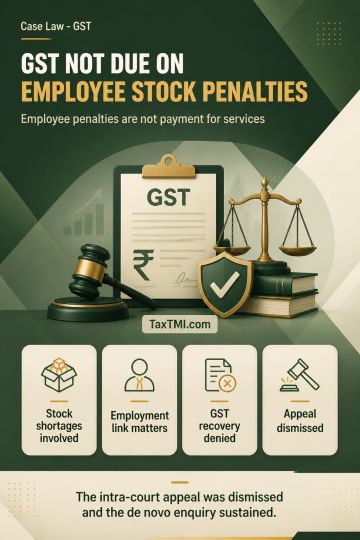
Employee stock-shortage penalties do not constitute consideration for services, preventing GST collection under Schedule II in employment relationship...
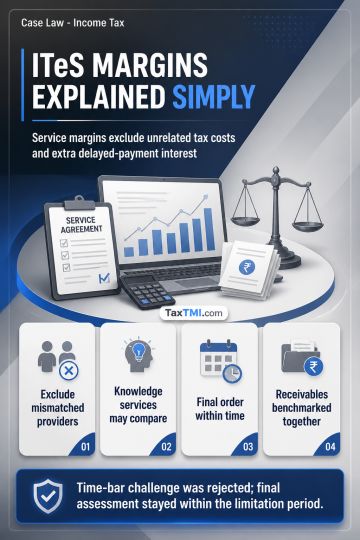
Transfer-pricing treatment of ITeS margins excludes pass-through tax recoveries and separate delayed-receivables interest after working-capital adjust...
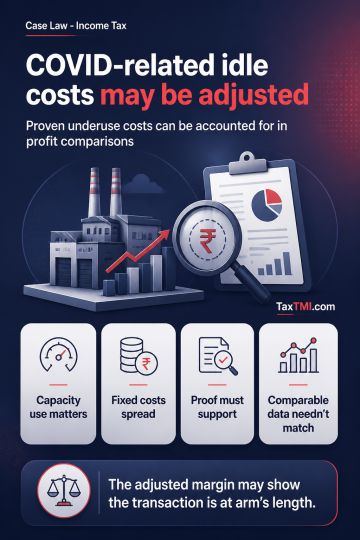
Capacity-utilisation adjustments under TNMM can neutralise substantiated COVID-related idle costs where underutilisation materially affects profitabil...
Page of 4830
Press 'Enter' after typing page number.
181 to 200 of 96587 Results
❮
❯
❯❯
0 / 200
Expand Note
Add to Folder
No Folders have been created
+
Are you sure you want to delete "My most important" ?
The HC dismissed the appeal, affirming the decree in favor of the plaintiff for recovery of the price of goods sold and delivered, along with damages. The appellants, defendants 6 and 7, were held liable for failing to exercise due diligence in verifying shipping documents, which were forged, and for breaching their fiduciary duties. Defendant 6 transported goods under an unauthorized name without plaintiff's consent, while defendant 7 acted beyond its authority by accepting such documents, thereby facilitating the breach of the Letter of Credit terms. Their conduct enabled the importer and negotiating bank to avoid liability, causing loss to the plaintiff. Despite arguments suggesting lack of direct involvement in fraud, the appellants were found culpable for their unauthorized actions resulting in plaintiff's financial loss. The court upheld the original judgment, requiring appellants to compensate the plaintiff accordingly.
The HC dismissed the appeal, affirming the decree in favor of the plaintiff for recovery of the price of goods sold and delivered, along with damages. The appellants, defendants 6 and 7, were held liable for failing to exercise due diligence in verifying shipping documents, which were forged, and for breaching their fiduciary duties. Defendant 6 transported goods under an unauthorized name without plaintiff's consent, while defendant 7 acted beyond its authority by accepting such documents, thereby facilitating the breach of the Letter of Credit terms. Their conduct enabled the importer and negotiating bank to avoid liability, causing loss to the plaintiff. Despite arguments suggesting lack of direct involvement in fraud, the appellants were found culpable for their unauthorized actions resulting in plaintiff's financial loss. The court upheld the original judgment, requiring appellants to compensate the plaintiff accordingly.
Note: It is a system-generated summary and is for quick reference only.
 TaxTMI
  TaxTMI
 of 4830



 Join Channel


