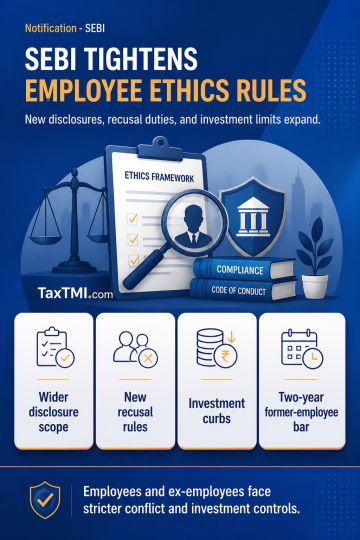
Employee conflict disclosures and investment restrictions expand with new recusal duties, post-employment limits, and compliance reporting requirement...
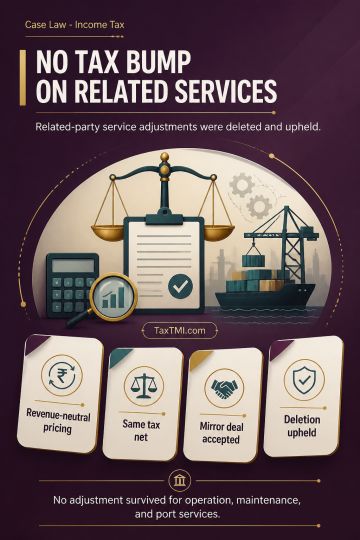
Revenue-neutral domestic transfer pricing and mirror transactions justified deletion of related-party adjustments for operation, maintenance and port ...
Page of 4792
Press 'Enter' after typing page number.
1061 to 1080 of 95833 Results
❮
❯
❯❯
0 / 200
Expand Note
Add to Folder
No Folders have been created
+
Are you sure you want to delete "My most important" ?
Goods imported, shipped, or arrived before issuance of an import authorization but not yet cleared from Customs may be cleared against a subsequently issued authorization without mandatory warehousing, except for restricted items or those traded through state trading enterprises unless specifically permitted by the Directorate General of Foreign Trade. The requirement to warehouse goods prior to clearance applies only when the authorization is issued after shipment but before Customs clearance. This clarification addresses concerns that warehousing was being imposed even when authorization was obtained before import arrival or clearance, which was contrary to the intended facilitative provision under Para 2.12 of the Foreign Trade Policy, 2023. The policy aims to reduce unnecessary costs and procedural burdens on importers.
Goods imported, shipped, or arrived before issuance of an import authorization but not yet cleared from Customs may be cleared against a subsequently issued authorization without mandatory warehousing, except for restricted items or those traded through state trading enterprises unless specifically permitted by the Directorate General of Foreign Trade. The requirement to warehouse goods prior to clearance applies only when the authorization is issued after shipment but before Customs clearance. This clarification addresses concerns that warehousing was being imposed even when authorization was obtained before import arrival or clearance, which was contrary to the intended facilitative provision under Para 2.12 of the Foreign Trade Policy, 2023. The policy aims to reduce unnecessary costs and procedural burdens on importers.
Note: It is a system-generated summary and is for quick reference only.
 TaxTMI
 of 4792









 Join Channel


 TaxTMI