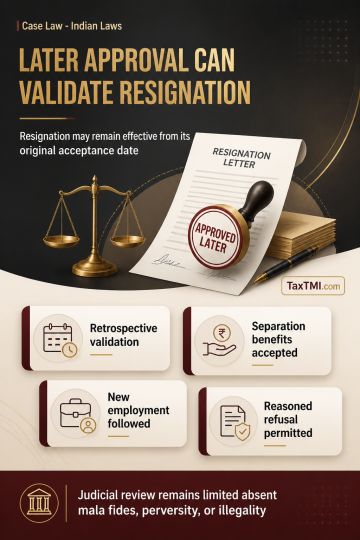
Ratification of resignation acceptance validates separation retrospectively, while withdrawal may be refused through reasoned administrative discretio...
Nature-dependent electricity contracts receive new Ind AS accounting, hedge designation, transition and financial-statement disclosure requirements fr...
Alternative GST remedy permitted protective writ intervention for ex parte adjudication, preserving independent appellate review of input tax credit d...
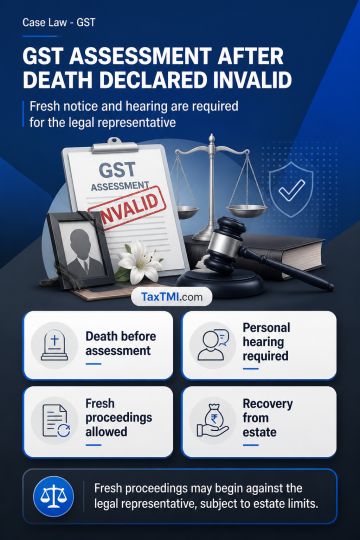
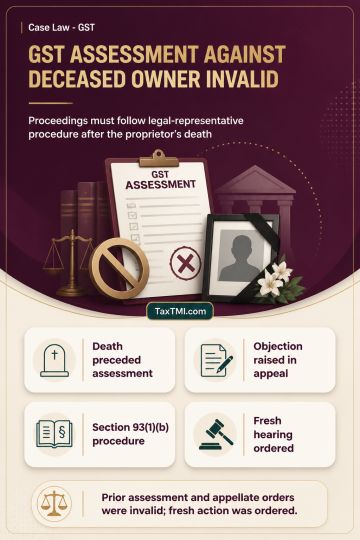
Assessment against deceased sole proprietor requires proceedings against the legal representative, rendering prior assessment and appellate orders inv...
Residential waste collection classification under SAC 999423 defeats composite-supply exemption where facilitating goods are not transferred to the lo...
The HC declined to exercise extraordinary jurisdiction under Articles 226 and 227 in a petition challenging the blocking of input tax credit under Rule 86A of the CGST Rules, 2017, relating to alleged non-existent suppliers. The Court emphasized that Rule 36 requires documentary evidence for claiming input tax credit, and fact-finding on the genuineness of invoices and related records falls within the competence of the adjudicating authority. It held that Rule 86A mandates a reasoned, objective determination based on material evidence before disallowing credit, not mere suspicion. Given the factual nature of the dispute, the HC remanded the matter to the competent authority to consider the petitioner's explanation with an opportunity of hearing within four weeks. The writ petition was disposed of accordingly, leaving factual adjudication and verification to the statutory authorities.
The HC declined to exercise extraordinary jurisdiction under Articles 226 and 227 in a petition challenging the blocking of input tax credit under Rule 86A of the CGST Rules, 2017, relating to alleged non-existent suppliers. The Court emphasized that Rule 36 requires documentary evidence for claiming input tax credit, and fact-finding on the genuineness of invoices and related records falls within the competence of the adjudicating authority. It held that Rule 86A mandates a reasoned, objective determination based on material evidence before disallowing credit, not mere suspicion. Given the factual nature of the dispute, the HC remanded the matter to the competent authority to consider the petitioner's explanation with an opportunity of hearing within four weeks. The writ petition was disposed of accordingly, leaving factual adjudication and verification to the statutory authorities.
Note: It is a system-generated summary and is for quick reference only.
 TaxTMI
 of 4796













 Join Channel


 TaxTMI
