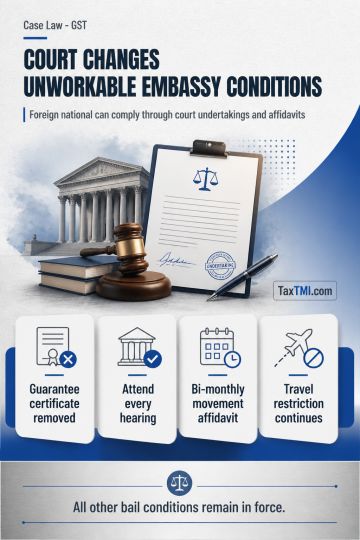
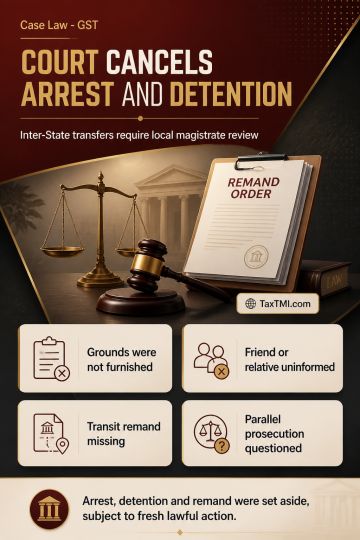
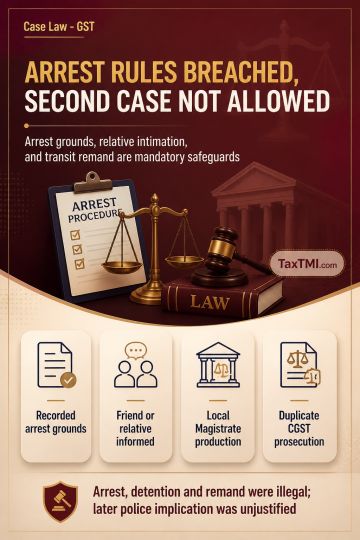
Arrest safeguards and transit remand requirements invalidated detention following inter-State transfer without communicated grounds or magistrate auth...
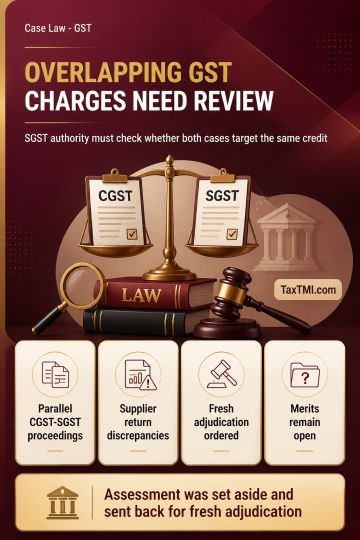
Arrest safeguards require disclosed grounds, relative intimation and transit remand, while duplicate prosecution under the CGST framework is unsustain...
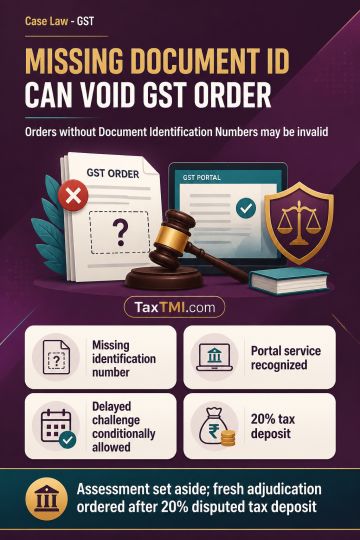
Document Identification Number defects can invalidate GST assessments, with delayed challenges entertained conditionally where patent irregularities e...
Windmill commissioning evidence supported higher depreciation where grid connection and electricity generation proved operational use before the relev...
The HC declined to exercise extraordinary jurisdiction under Articles 226 and 227 in a petition challenging the blocking of input tax credit under Rule 86A of the CGST Rules, 2017, relating to alleged non-existent suppliers. The Court emphasized that Rule 36 requires documentary evidence for claiming input tax credit, and fact-finding on the genuineness of invoices and related records falls within the competence of the adjudicating authority. It held that Rule 86A mandates a reasoned, objective determination based on material evidence before disallowing credit, not mere suspicion. Given the factual nature of the dispute, the HC remanded the matter to the competent authority to consider the petitioner's explanation with an opportunity of hearing within four weeks. The writ petition was disposed of accordingly, leaving factual adjudication and verification to the statutory authorities.
The HC declined to exercise extraordinary jurisdiction under Articles 226 and 227 in a petition challenging the blocking of input tax credit under Rule 86A of the CGST Rules, 2017, relating to alleged non-existent suppliers. The Court emphasized that Rule 36 requires documentary evidence for claiming input tax credit, and fact-finding on the genuineness of invoices and related records falls within the competence of the adjudicating authority. It held that Rule 86A mandates a reasoned, objective determination based on material evidence before disallowing credit, not mere suspicion. Given the factual nature of the dispute, the HC remanded the matter to the competent authority to consider the petitioner's explanation with an opportunity of hearing within four weeks. The writ petition was disposed of accordingly, leaving factual adjudication and verification to the statutory authorities.
Note: It is a system-generated summary and is for quick reference only.
 TaxTMI
 of 4805












 Join Channel


 TaxTMI
