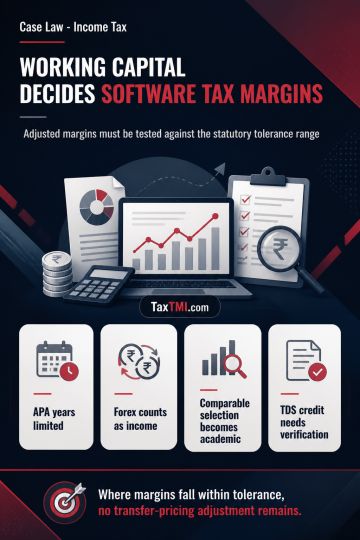
Working-capital adjustment determines whether software-services transfer-pricing margins fall within the statutory tolerance range, eliminating any ad...
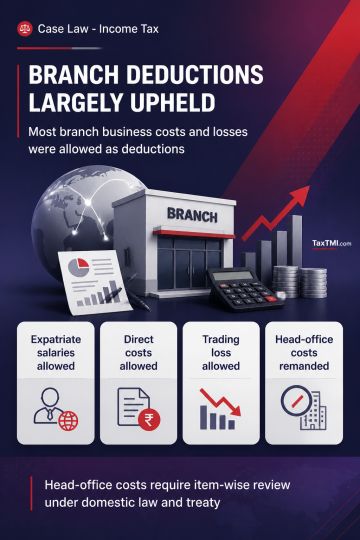
Permanent establishment deductions upheld for expatriate salaries, direct costs and trading losses, while head-office costs require fresh classificati...
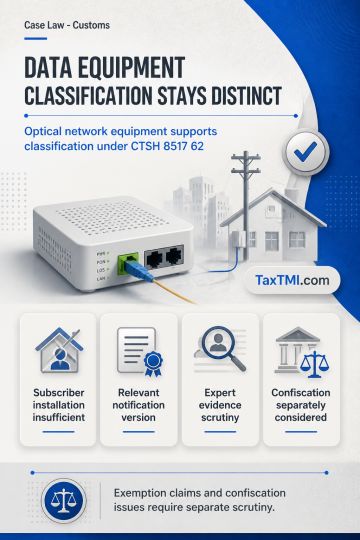
Data transmission equipment classification under CTSH 8517 62 remains distinct from residual classification, with exemption evidence requiring scrutin...
The HC set aside the penalty imposed under section 129(3) of the GST Act for non-filing of Part-B of the e-way bill, finding no intent to evade tax. The petitioner demonstrated that the omission was due to a technical glitch, a fact undisputed in the record. The Court relied on precedents affirming that mere non-filing of the e-way bill does not attract penalty absent a tax evasion intent. As no authority below recorded any finding of willful tax evasion, the penalty was unwarranted. Consequently, the petition was allowed, and the impugned order imposing the penalty was quashed.
The HC set aside the penalty imposed under section 129(3) of the GST Act for non-filing of Part-B of the e-way bill, finding no intent to evade tax. The petitioner demonstrated that the omission was due to a technical glitch, a fact undisputed in the record. The Court relied on precedents affirming that mere non-filing of the e-way bill does not attract penalty absent a tax evasion intent. As no authority below recorded any finding of willful tax evasion, the penalty was unwarranted. Consequently, the petition was allowed, and the impugned order imposing the penalty was quashed.
Note: It is a system-generated summary and is for quick reference only.
 TaxTMI
 of 4805










 Join Channel


 TaxTMI