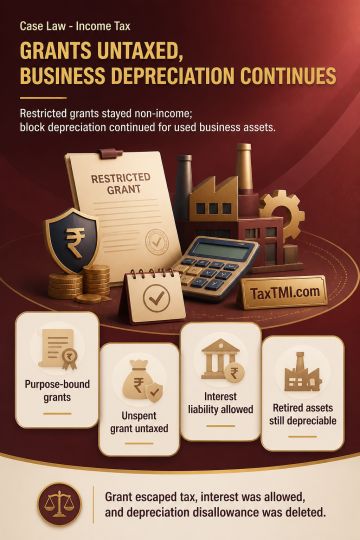
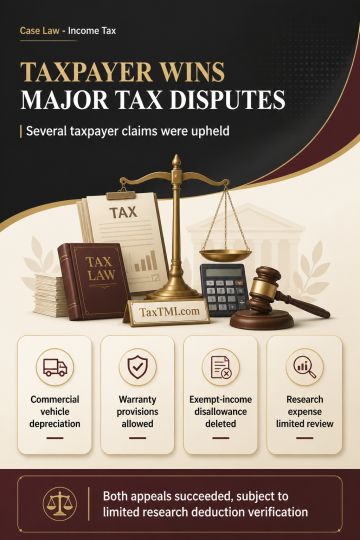
Commercial vehicle depreciation, scientifically determined warranty provisions and exempt-income disallowances were resolved in favour of the taxpayer...
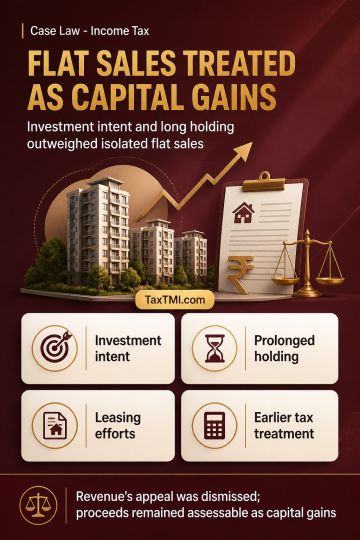
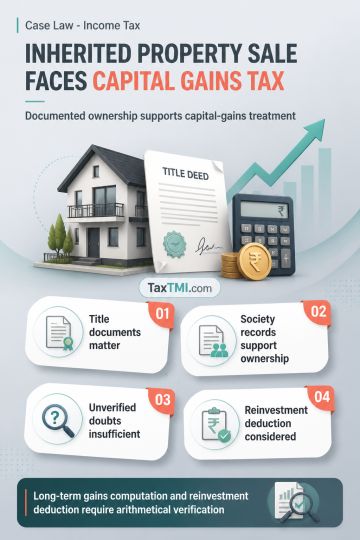
Inherited property sale proceeds require capital-gains treatment where ownership is supported by evidence, not suspicion or unverified signature doubt...
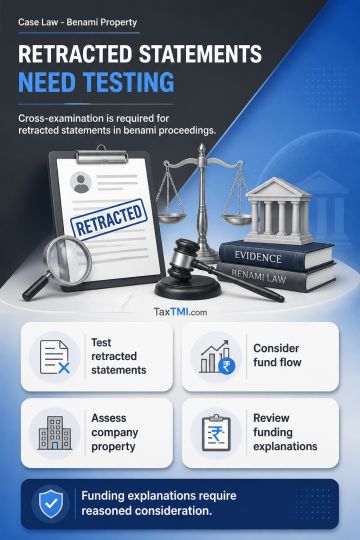
Cross-examination of retracted statements is essential where foundational evidence supports a benami allegation and documented funding explanations re...
Capital-goods exemption covers plant-modernisation accessories, while the import restriction applies only to earlier capital-goods components and spar...
The HC set aside the penalty imposed under section 129(3) of the GST Act for non-filing of Part-B of the e-way bill, finding no intent to evade tax. The petitioner demonstrated that the omission was due to a technical glitch, a fact undisputed in the record. The Court relied on precedents affirming that mere non-filing of the e-way bill does not attract penalty absent a tax evasion intent. As no authority below recorded any finding of willful tax evasion, the penalty was unwarranted. Consequently, the petition was allowed, and the impugned order imposing the penalty was quashed.
The HC set aside the penalty imposed under section 129(3) of the GST Act for non-filing of Part-B of the e-way bill, finding no intent to evade tax. The petitioner demonstrated that the omission was due to a technical glitch, a fact undisputed in the record. The Court relied on precedents affirming that mere non-filing of the e-way bill does not attract penalty absent a tax evasion intent. As no authority below recorded any finding of willful tax evasion, the penalty was unwarranted. Consequently, the petition was allowed, and the impugned order imposing the penalty was quashed.
Note: It is a system-generated summary and is for quick reference only.
 TaxTMI
 of 4801











 Join Channel


 TaxTMI