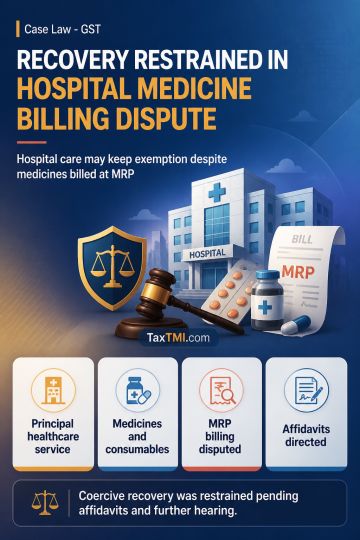
Composite inpatient healthcare supply may retain exemption despite MRP medicine billing, while separate taxable sale characterisation remains disputed...
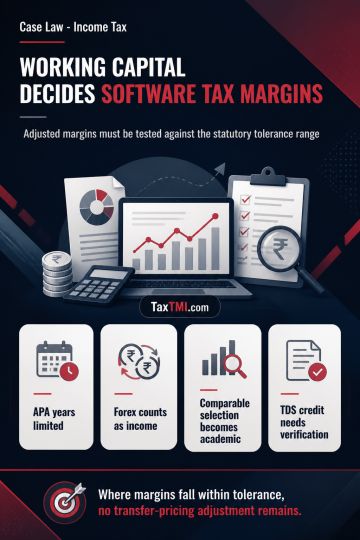
Working-capital adjustment determines whether software-services transfer-pricing margins fall within the statutory tolerance range, eliminating any ad...
Permanent establishment deductions upheld for expatriate salaries, direct costs and trading losses, while head-office costs require fresh classificati...
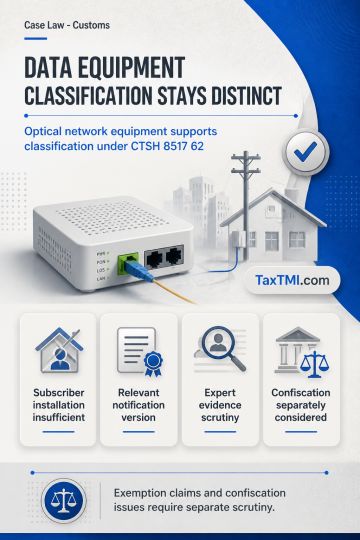
Data transmission equipment classification under CTSH 8517 62 remains distinct from residual classification, with exemption evidence requiring scrutin...
The ITAT upheld the revision order passed under section 263, affirming that the assessment order issued under section 144 ex parte was justified due to the assessee's failure to appear despite proper notice. The Tribunal noted the assessee's challenge to the assessment before the CIT(A), which remains pending. The AO's additions under sections 43B, 68 read with 115BBE, and estimated long-term capital gains were scrutinized, with the PCIT highlighting procedural irregularities in income estimation and the existence of two sets of financial statements. The Tribunal found no error in the PCIT's conclusion that the assessment was prejudicial to Revenue, particularly due to non-consideration of section 45(4). Consequently, the order under section 263 setting aside the assessment for fresh adjudication after affording the assessee a reasonable opportunity of hearing was upheld, and the appeal filed by the assessee was dismissed.
The ITAT upheld the revision order passed under section 263, affirming that the assessment order issued under section 144 ex parte was justified due to the assessee's failure to appear despite proper notice. The Tribunal noted the assessee's challenge to the assessment before the CIT(A), which remains pending. The AO's additions under sections 43B, 68 read with 115BBE, and estimated long-term capital gains were scrutinized, with the PCIT highlighting procedural irregularities in income estimation and the existence of two sets of financial statements. The Tribunal found no error in the PCIT's conclusion that the assessment was prejudicial to Revenue, particularly due to non-consideration of section 45(4). Consequently, the order under section 263 setting aside the assessment for fresh adjudication after affording the assessee a reasonable opportunity of hearing was upheld, and the appeal filed by the assessee was dismissed.
Note: It is a system-generated summary and is for quick reference only.
 TaxTMI
 of 4803









 Join Channel


 TaxTMI
