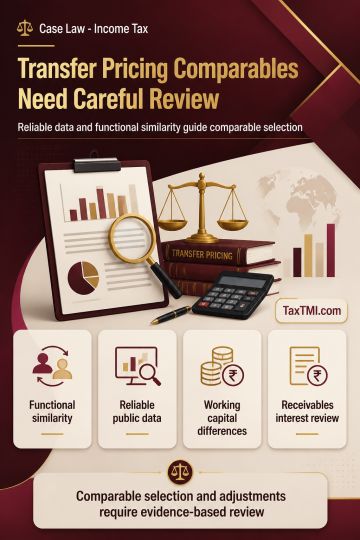
Transfer pricing comparability requires functional alignment, reliable financial data, and careful review of working capital and receivables adjustmen...
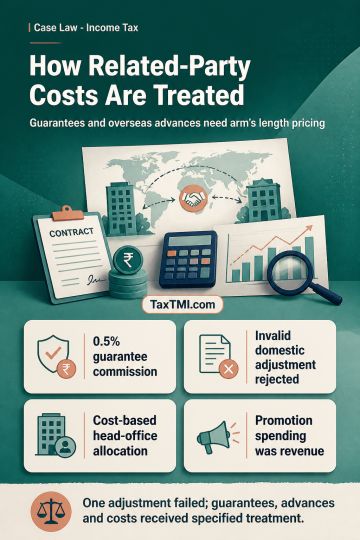
Transfer pricing rules require benchmarking corporate guarantees and associated-enterprise advances, while invalid domestic-transaction adjustments ca...
Prospective sugar export prohibition required registered letters of credit; private contracts and export quotas created no enforceable continuation ri...
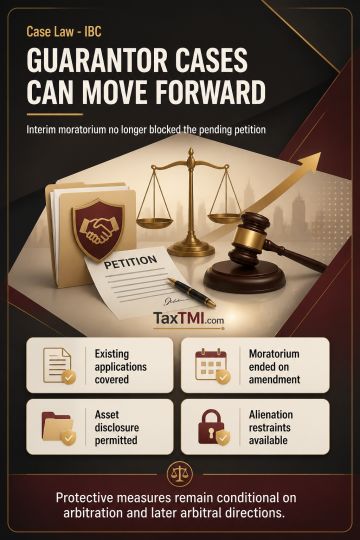
Retroactive interim-moratorium exclusion permits protective asset disclosure and preservation measures against personal guarantors pending arbitration...
The ITAT upheld the revision order passed under section 263, affirming that the assessment order issued under section 144 ex parte was justified due to the assessee's failure to appear despite proper notice. The Tribunal noted the assessee's challenge to the assessment before the CIT(A), which remains pending. The AO's additions under sections 43B, 68 read with 115BBE, and estimated long-term capital gains were scrutinized, with the PCIT highlighting procedural irregularities in income estimation and the existence of two sets of financial statements. The Tribunal found no error in the PCIT's conclusion that the assessment was prejudicial to Revenue, particularly due to non-consideration of section 45(4). Consequently, the order under section 263 setting aside the assessment for fresh adjudication after affording the assessee a reasonable opportunity of hearing was upheld, and the appeal filed by the assessee was dismissed.
The ITAT upheld the revision order passed under section 263, affirming that the assessment order issued under section 144 ex parte was justified due to the assessee's failure to appear despite proper notice. The Tribunal noted the assessee's challenge to the assessment before the CIT(A), which remains pending. The AO's additions under sections 43B, 68 read with 115BBE, and estimated long-term capital gains were scrutinized, with the PCIT highlighting procedural irregularities in income estimation and the existence of two sets of financial statements. The Tribunal found no error in the PCIT's conclusion that the assessment was prejudicial to Revenue, particularly due to non-consideration of section 45(4). Consequently, the order under section 263 setting aside the assessment for fresh adjudication after affording the assessee a reasonable opportunity of hearing was upheld, and the appeal filed by the assessee was dismissed.
Note: It is a system-generated summary and is for quick reference only.
 TaxTMI
 of 4792












 Join Channel


 TaxTMI