Transaction value rejection requires reliable corroboration; refundable VAT is excluded and temporary registration does not defeat new-vehicle exempti...
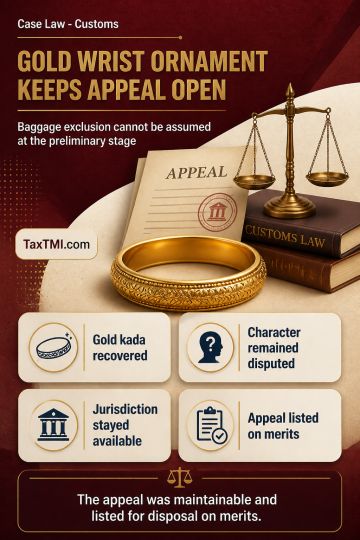
Appellate jurisdiction remains available where a wrist-worn gold ornament cannot conclusively be characterised as imported baggage at the preliminary ...
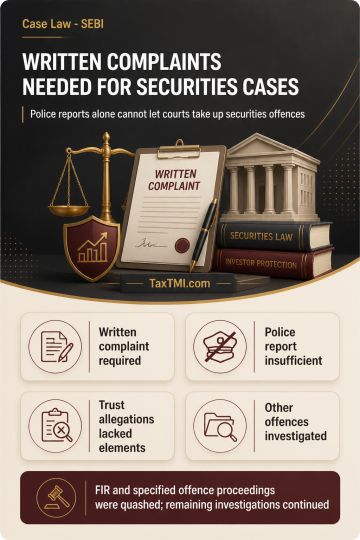
Written complaint requirement bars cognizance on police reports for securities offences, while unsupported breach of trust and cheating allegations fa...
Risk-based postal import clearance standardises electronic assessment, document requests, duty realisation and delivery controls at Foreign Post Offic...
Customs Cargo Service Provider appointment extends custodianship to additional terminal land, subject to cargo-control, security and licence condition...
The ITAT upheld the revision order passed under section 263, affirming that the assessment order issued under section 144 ex parte was justified due to the assessee's failure to appear despite proper notice. The Tribunal noted the assessee's challenge to the assessment before the CIT(A), which remains pending. The AO's additions under sections 43B, 68 read with 115BBE, and estimated long-term capital gains were scrutinized, with the PCIT highlighting procedural irregularities in income estimation and the existence of two sets of financial statements. The Tribunal found no error in the PCIT's conclusion that the assessment was prejudicial to Revenue, particularly due to non-consideration of section 45(4). Consequently, the order under section 263 setting aside the assessment for fresh adjudication after affording the assessee a reasonable opportunity of hearing was upheld, and the appeal filed by the assessee was dismissed.
The ITAT upheld the revision order passed under section 263, affirming that the assessment order issued under section 144 ex parte was justified due to the assessee's failure to appear despite proper notice. The Tribunal noted the assessee's challenge to the assessment before the CIT(A), which remains pending. The AO's additions under sections 43B, 68 read with 115BBE, and estimated long-term capital gains were scrutinized, with the PCIT highlighting procedural irregularities in income estimation and the existence of two sets of financial statements. The Tribunal found no error in the PCIT's conclusion that the assessment was prejudicial to Revenue, particularly due to non-consideration of section 45(4). Consequently, the order under section 263 setting aside the assessment for fresh adjudication after affording the assessee a reasonable opportunity of hearing was upheld, and the appeal filed by the assessee was dismissed.
Note: It is a system-generated summary and is for quick reference only.
 TaxTMI
 of 4792











 Join Channel


 TaxTMI