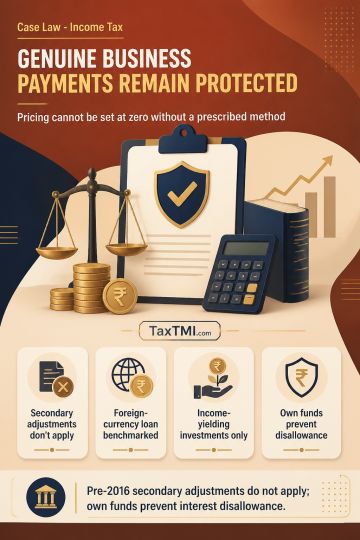
Transfer-pricing methodology protects commercially genuine associated-enterprise payments, while pre-2016 secondary adjustments and related notional i...
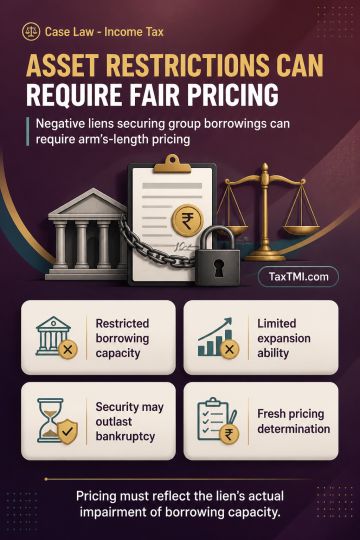
Negative liens over operating assets can constitute international transactions requiring arm's-length pricing reflecting restricted borrowing and expa...
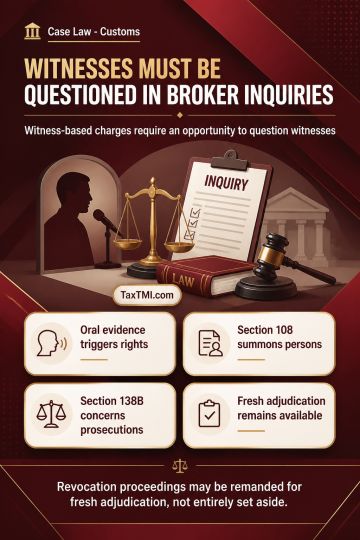
Cross-examination rights in Customs Broker revocation inquiries require witness examination; procedural denial may be cured through fresh adjudication...
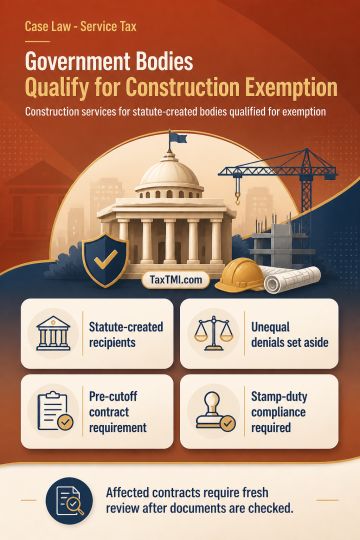
Governmental authority status supports construction-service exemption, while pre-cutoff contract and stamp-duty compliance requires verification on re...
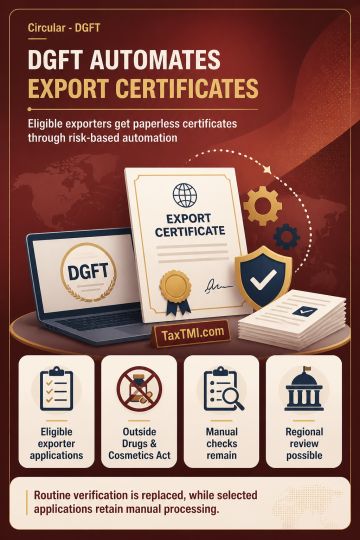
Automated Free Sale and Commerce Certificates enable paperless processing while retaining risk-based manual verification for selected exporter applica...
Page of 4830
Press 'Enter' after typing page number.
161 to 180 of 96587 Results
❮
❯
❯❯
0 / 200
Expand Note
Add to Folder
No Folders have been created
+
Are you sure you want to delete "My most important" ?
The HC upheld the Tribunal's decision that purchases under section 69C could not be treated as bogus despite unverifiable sources. The assessee substantiated the purchases through daily stock registers and production records (RG-23A and RG-23C), verified by the auditor and included in the TAR. Although notices under section 133(6) issued to the other party remained uncomplied and the party was not found at the recorded address, these facts were not disclosed to the assessee prior to the assessment order. Given the transactions were seven years old and the possibility of address changes, the AO did not dispute these circumstances. Consequently, the HC affirmed that the AO could not invoke section 69C, confirming the legitimacy of the purchases and rejecting the claim of bogus transactions.
The HC upheld the Tribunal's decision that purchases under section 69C could not be treated as bogus despite unverifiable sources. The assessee substantiated the purchases through daily stock registers and production records (RG-23A and RG-23C), verified by the auditor and included in the TAR. Although notices under section 133(6) issued to the other party remained uncomplied and the party was not found at the recorded address, these facts were not disclosed to the assessee prior to the assessment order. Given the transactions were seven years old and the possibility of address changes, the AO did not dispute these circumstances. Consequently, the HC affirmed that the AO could not invoke section 69C, confirming the legitimacy of the purchases and rejecting the claim of bogus transactions.
Note: It is a system-generated summary and is for quick reference only.
 TaxTMI
  TaxTMI
 of 4830








 Join Channel