Transfer pricing requires evidence for AMP transactions, functionally reliable comparables, and appropriate aggregation or Berry Ratio benchmarking me...
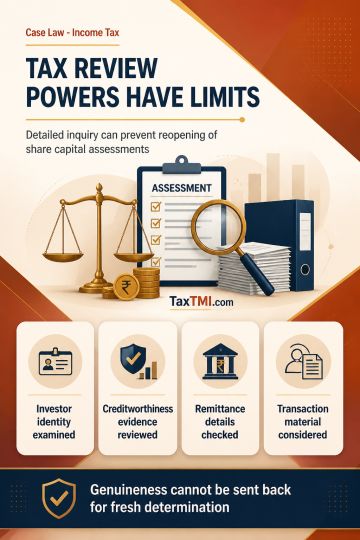
Revisionary jurisdiction cannot reopen share capital assessments where adequate inquiry supports a permissible view and no independent error is establ...
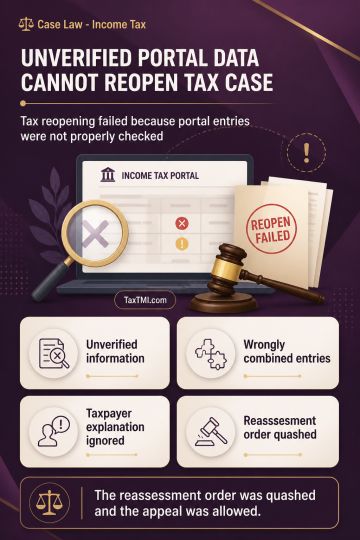
Reassessment jurisdiction fails where unverified portal information is aggregated without examining the taxpayer's explanation or relevance of entries...
Statutory sanction for delayed reassessment requires approval from the prescribed authority; approval by an inferior authority invalidates jurisdictio...
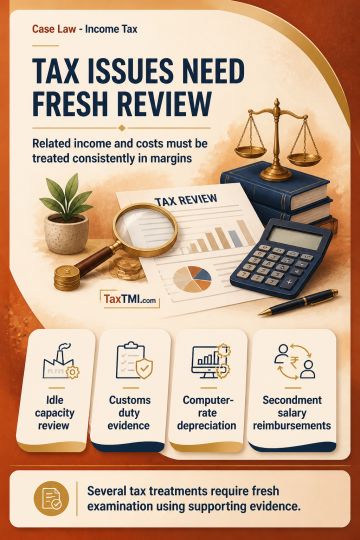
Transfer pricing margin adjustments require matching treatment of non-operating income and related costs, with comparability issues reconsidered on ev...
Preliminary-expense amortisation and MAT exempt-income adjustments prevailed, while trademark costs and managerial remuneration require fresh verifica...
Export valuation requires contemporaneous evidence; unrelated invoices cannot prove overvaluation, and dual penalties on firm and partner are impermis...
A state tax authority issued nearly 6,000 GST demand notices to traders based on UPI transaction data, alleging unregistered turnover exceeding statutory thresholds. The notices are preliminary and recipients may respond with evidence to prove exemption or justify non-registration, which can lead to withdrawal of notices. Traders' associations have protested, calling for strikes and boycotts of UPI payments, citing lack of clarity and sudden enforcement. The tax department maintains the actions comply with legal provisions, emphasizing the obligation to register and remit taxes once turnover crosses prescribed limits. The department uses UPI data as an indicator but considers other payment modes and allows for hearings before final assessment. Concerns were raised about notices failing to distinguish exempt goods and mixing personal and business transactions, causing confusion among small traders. The department has conducted awareness efforts and encourages traders to engage for guidance within the law.
A state tax authority issued nearly 6,000 GST demand notices to traders based on UPI transaction data, alleging unregistered turnover exceeding statutory thresholds. The notices are preliminary and recipients may respond with evidence to prove exemption or justify non-registration, which can lead to withdrawal of notices. Traders' associations have protested, calling for strikes and boycotts of UPI payments, citing lack of clarity and sudden enforcement. The tax department maintains the actions comply with legal provisions, emphasizing the obligation to register and remit taxes once turnover crosses prescribed limits. The department uses UPI data as an indicator but considers other payment modes and allows for hearings before final assessment. Concerns were raised about notices failing to distinguish exempt goods and mixing personal and business transactions, causing confusion among small traders. The department has conducted awareness efforts and encourages traders to engage for guidance within the law.
Note: It is a system-generated summary and is for quick reference only.
 TaxTMI
 of 4800


















 Join Channel


 TaxTMI
