Transfer pricing requires evidence for AMP transactions, functionally reliable comparables, and appropriate aggregation or Berry Ratio benchmarking me...
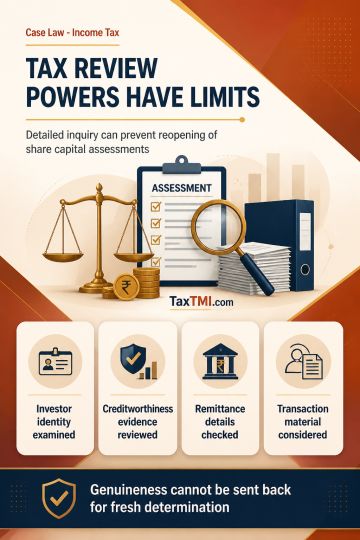
Revisionary jurisdiction cannot reopen share capital assessments where adequate inquiry supports a permissible view and no independent error is establ...
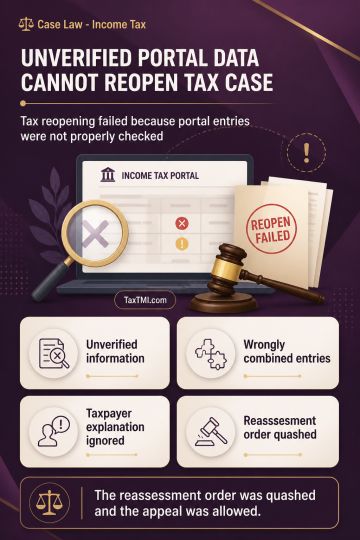
Reassessment jurisdiction fails where unverified portal information is aggregated without examining the taxpayer's explanation or relevance of entries...
Statutory sanction for delayed reassessment requires approval from the prescribed authority; approval by an inferior authority invalidates jurisdictio...
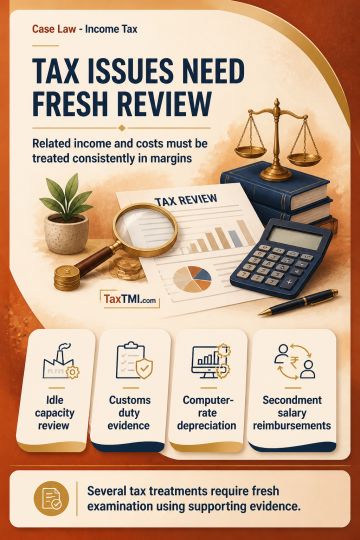
Transfer pricing margin adjustments require matching treatment of non-operating income and related costs, with comparability issues reconsidered on ev...
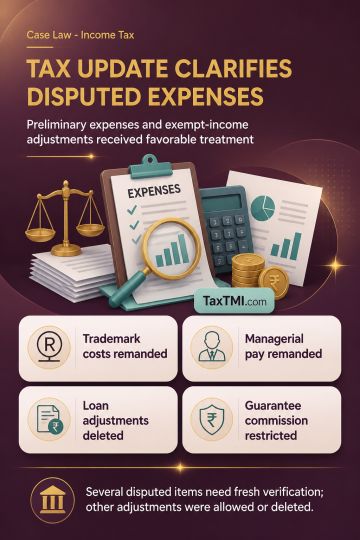
Preliminary-expense amortisation and MAT exempt-income adjustments prevailed, while trademark costs and managerial remuneration require fresh verifica...
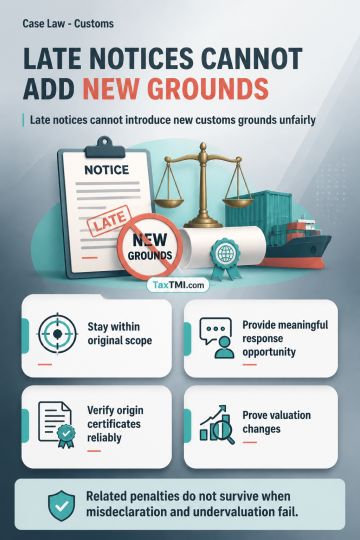
Export valuation requires contemporaneous evidence; unrelated invoices cannot prove overvaluation, and dual penalties on firm and partner are impermis...
A state tax department issued approximately 6,000 GST demand notices to traders based on UPI transaction data, alleging non-registration despite turnover thresholds requiring GST registration. The notices are preliminary, allowing recipients to respond with evidence of exemptions or compliance before final demands are made. Traders' associations protested, calling for strikes and boycotts of digital payments, citing confusion and lack of prior warning. The tax authority emphasized the legality and procedural fairness of the notices, stating they follow natural justice principles and offer multiple opportunities for response and clarification. Concerns were raised about the use of UPI data alone without distinguishing exempt goods or services, leading to calls for clearer guidelines, better communication, and nuanced enforcement to prevent undue hardship on small traders. The department affirmed ongoing efforts to educate and assist traders regarding GST obligations.
A state tax department issued approximately 6,000 GST demand notices to traders based on UPI transaction data, alleging non-registration despite turnover thresholds requiring GST registration. The notices are preliminary, allowing recipients to respond with evidence of exemptions or compliance before final demands are made. Traders' associations protested, calling for strikes and boycotts of digital payments, citing confusion and lack of prior warning. The tax authority emphasized the legality and procedural fairness of the notices, stating they follow natural justice principles and offer multiple opportunities for response and clarification. Concerns were raised about the use of UPI data alone without distinguishing exempt goods or services, leading to calls for clearer guidelines, better communication, and nuanced enforcement to prevent undue hardship on small traders. The department affirmed ongoing efforts to educate and assist traders regarding GST obligations.
Note: It is a system-generated summary and is for quick reference only.
 TaxTMI
 of 4800














 Join Channel


 TaxTMI
