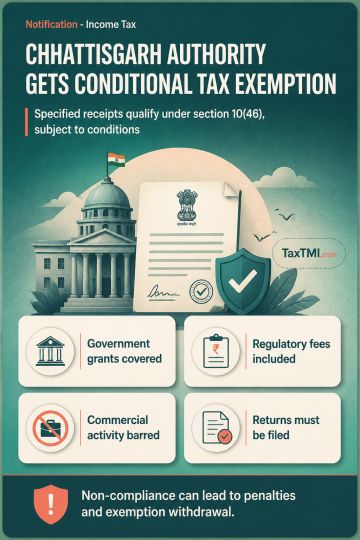
Specified regulatory authority income receives conditional tax exemption, subject to non-commercial activity, unchanged income character, and return f...
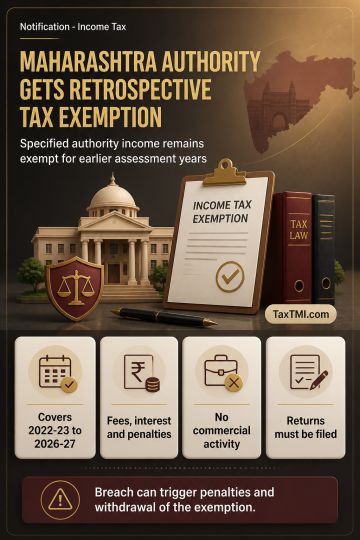
Tax exemption for regulatory authority income applies retrospectively, subject to non-commercial activity, unchanged income sources, and return-filing...
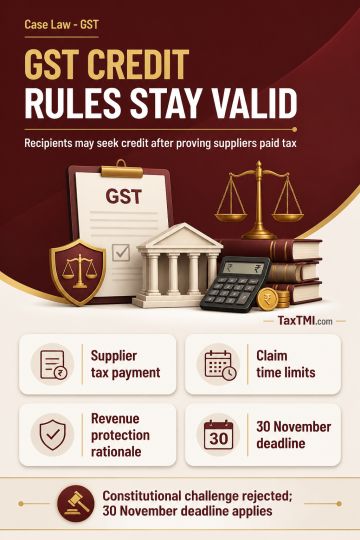
Input tax credit conditions remain constitutionally valid, with eligible recipient claims considered under GST circulars and retrospective filing dead...
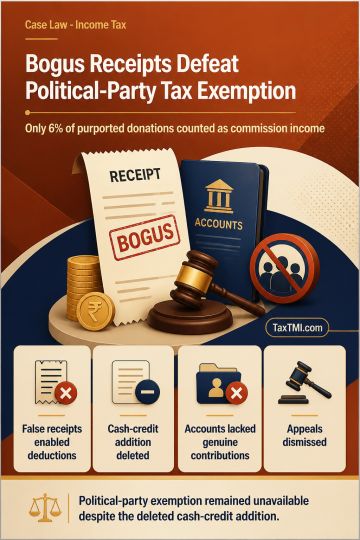
Bogus donation receipts justified commission income assessment and defeated political-party tax exemption for inaccurate accounts and reporting failur...
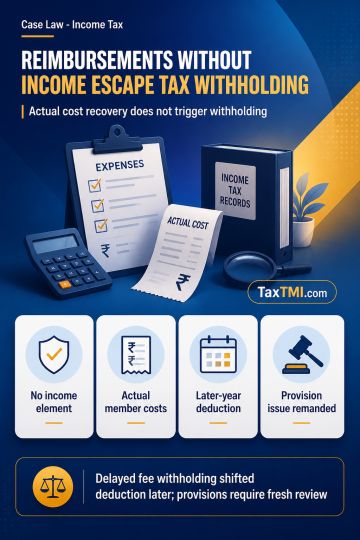
Pure reimbursement without income element escapes tax withholding, while delayed withholding and unsupported provisions face deferred or renewed scrut...
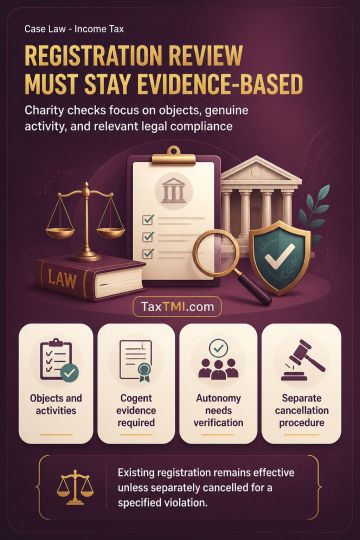
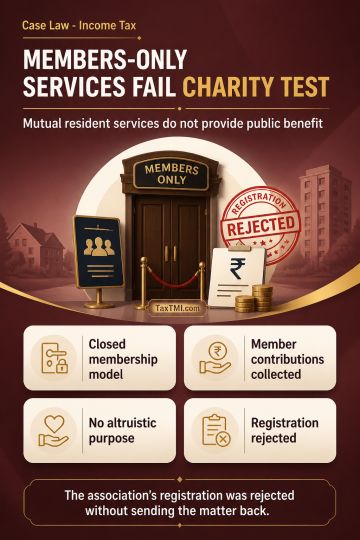
Public benefit requirement defeats charitable registration where residents' association services are reciprocal, member-only facilities governed by mu...
The DSC rejected the bail application of the accused proprietor of M/S New Global Scrap Traders, charged under Sections 132(1)(b), 132(1)(c), and 132(1)(i) of the CGST Act, 2017, for fraudulent availing and utilization of input tax credit amounting to Rs. 23,47,68,801/- through fake invoices without actual supply of goods. The court found no violation of fundamental rights under Article 22(1) and (2). Given the gravity of the offence, evidence of issuance of bogus invoices, and risk of evidence tampering, witness influence, and flight, the accused was deemed unfit for bail at this stage. The prosecution's case demonstrated substantial material indicating deliberate tax evasion and fraud, justifying continued custodial detention to safeguard the investigation and public interest.
The DSC rejected the bail application of the accused proprietor of M/S New Global Scrap Traders, charged under Sections 132(1)(b), 132(1)(c), and 132(1)(i) of the CGST Act, 2017, for fraudulent availing and utilization of input tax credit amounting to Rs. 23,47,68,801/- through fake invoices without actual supply of goods. The court found no violation of fundamental rights under Article 22(1) and (2). Given the gravity of the offence, evidence of issuance of bogus invoices, and risk of evidence tampering, witness influence, and flight, the accused was deemed unfit for bail at this stage. The prosecution's case demonstrated substantial material indicating deliberate tax evasion and fraud, justifying continued custodial detention to safeguard the investigation and public interest.
Note: It is a system-generated summary and is for quick reference only.
 TaxTMI
 of 4805



 Join Channel


 TaxTMI