Dispute Resolution Panel objections must reach both prescribed forums; otherwise assessment may proceed and statutory appeal remains the proper remedy...
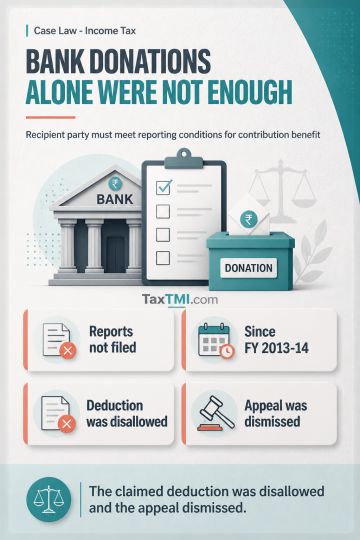
Political contribution deductions require recipient party compliance with contribution-reporting conditions; banking-channel donations alone do not qu...
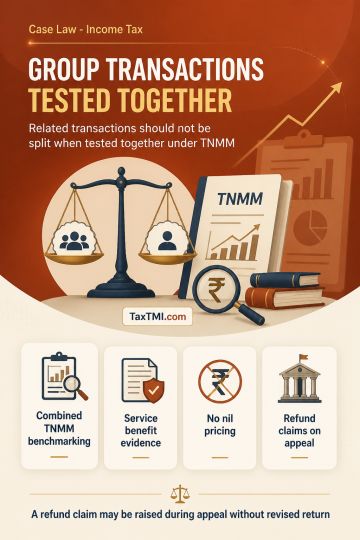
Aggregation under TNMM prevents selective testing of intra-group services without comparable uncontrolled transactions, while appellate additional cla...
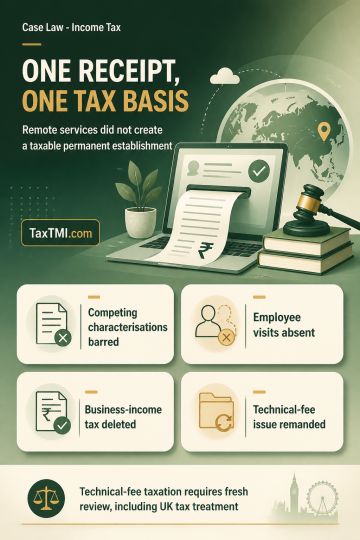
Protective assessment cannot duplicate identical receipts under competing characterisations; remote services did not establish a taxable permanent est...
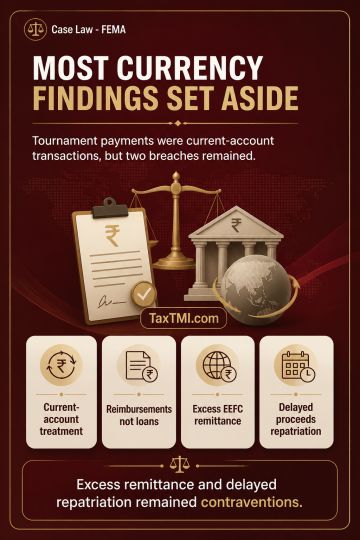
Current account treatment of overseas tournament services removed most FEMA findings, but excess EEFC remittance and delayed repatriation remained bre...
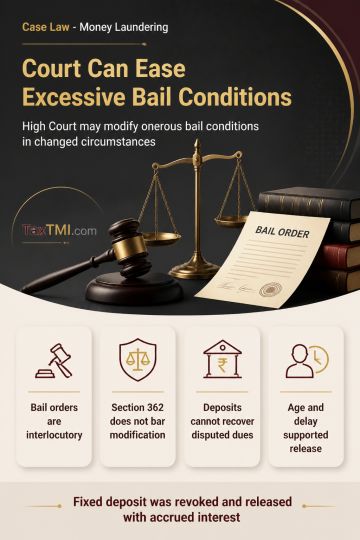
Modification of bail conditions remains available through inherent jurisdiction where onerous deposits undermine justice and cannot recover disputed d...
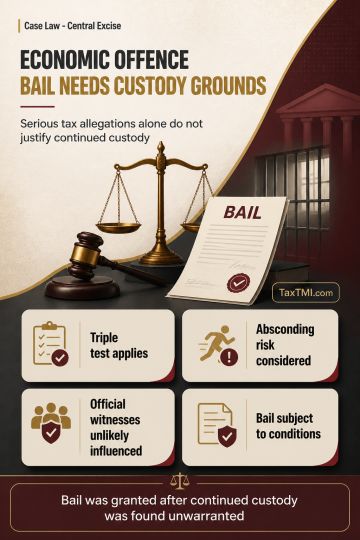
The DSC rejected the bail application of the accused proprietor of M/S New Global Scrap Traders, charged under Sections 132(1)(b), 132(1)(c), and 132(1)(i) of the CGST Act, 2017, for fraudulent availing and utilization of input tax credit amounting to Rs. 23,47,68,801/- through fake invoices without actual supply of goods. The court found no violation of fundamental rights under Article 22(1) and (2). Given the gravity of the offence, evidence of issuance of bogus invoices, and risk of evidence tampering, witness influence, and flight, the accused was deemed unfit for bail at this stage. The prosecution's case demonstrated substantial material indicating deliberate tax evasion and fraud, justifying continued custodial detention to safeguard the investigation and public interest.
The DSC rejected the bail application of the accused proprietor of M/S New Global Scrap Traders, charged under Sections 132(1)(b), 132(1)(c), and 132(1)(i) of the CGST Act, 2017, for fraudulent availing and utilization of input tax credit amounting to Rs. 23,47,68,801/- through fake invoices without actual supply of goods. The court found no violation of fundamental rights under Article 22(1) and (2). Given the gravity of the offence, evidence of issuance of bogus invoices, and risk of evidence tampering, witness influence, and flight, the accused was deemed unfit for bail at this stage. The prosecution's case demonstrated substantial material indicating deliberate tax evasion and fraud, justifying continued custodial detention to safeguard the investigation and public interest.
Note: It is a system-generated summary and is for quick reference only.
 TaxTMI
 of 4805






 Join Channel


 TaxTMI
