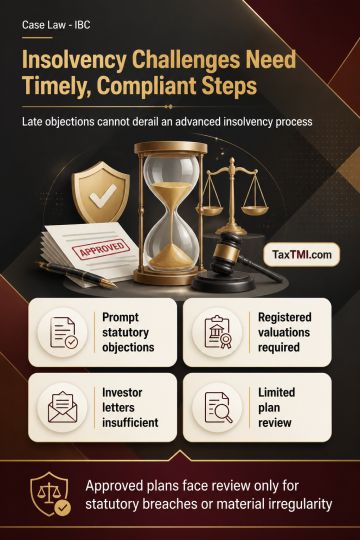
Clean slate principle extinguishes uncrystallised operational claims and bars continuation of pending recovery and arbitral proceedings after plan app...
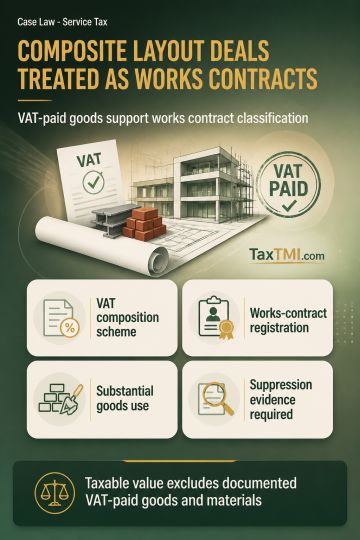
Works contract classification governs composite layout-development contracts where VAT-paid goods are transferred alongside construction and infrastru...
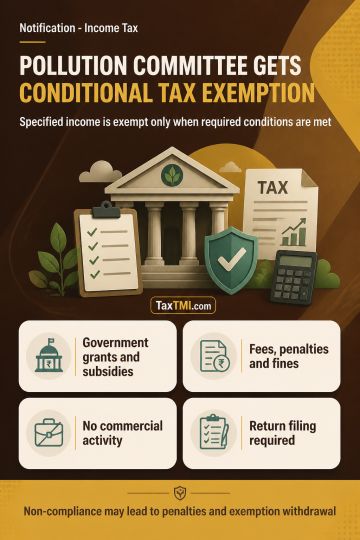
Specified income tax exemption for pollution control body remains conditional on non-commercial activity, unchanged income character, and return filin...
The HC upheld the dismissal of the appeal filed three years and twenty days beyond the prescribed limitation period, affirming that the appellate authority's power to condone delay is strictly limited to thirty days. The court relied on established precedents interpreting analogous statutory provisions, emphasizing that no residual discretion exists to extend limitation beyond the specified period under the relevant Acts. Consequently, the writ petition challenging the order was dismissed, reinforcing the principle that courts and tribunals cannot entertain appeals filed beyond the statutory time frame except within narrowly prescribed limits.
The HC upheld the dismissal of the appeal filed three years and twenty days beyond the prescribed limitation period, affirming that the appellate authority's power to condone delay is strictly limited to thirty days. The court relied on established precedents interpreting analogous statutory provisions, emphasizing that no residual discretion exists to extend limitation beyond the specified period under the relevant Acts. Consequently, the writ petition challenging the order was dismissed, reinforcing the principle that courts and tribunals cannot entertain appeals filed beyond the statutory time frame except within narrowly prescribed limits.
Note: It is a system-generated summary and is for quick reference only.
 TaxTMI
 of 4805











 Join Channel


 TaxTMI