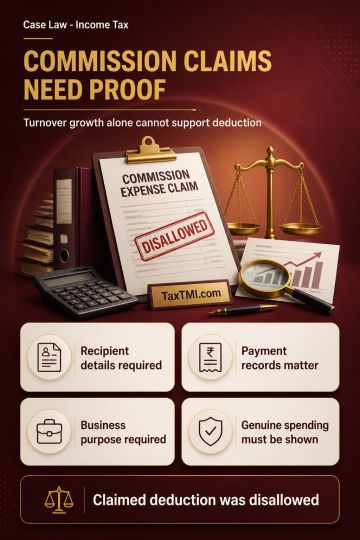
Business expenditure deduction requires proof of genuine commission payments and commercial allowability; turnover growth alone cannot validate the cl...
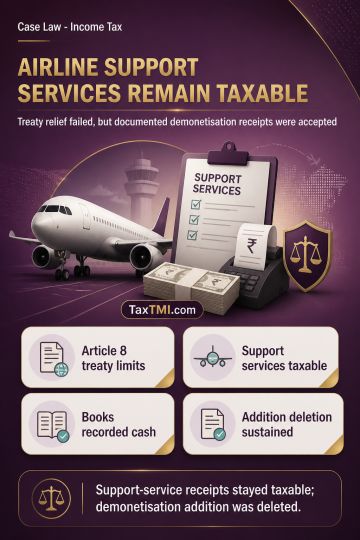
Article 8 treaty coverage excluded third-party airline support services, while documented demonetisation cash receipts remained accepted business inco...
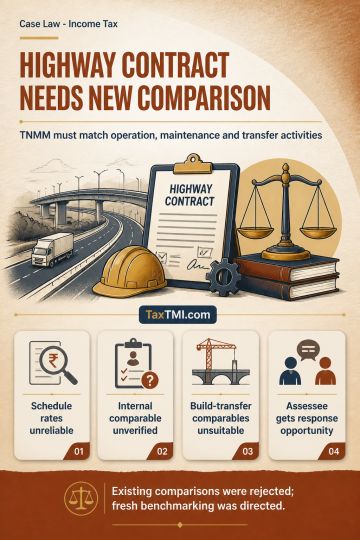
Functional comparability under TNMM requires highway contract benchmarks to reflect operation, maintenance and transfer activities, requiring fresh be...
The HC upheld the dismissal of the appeal filed three years and twenty days beyond the prescribed limitation period, affirming that the appellate authority's power to condone delay is strictly limited to thirty days. The court relied on established precedents interpreting analogous statutory provisions, emphasizing that no residual discretion exists to extend limitation beyond the specified period under the relevant Acts. Consequently, the writ petition challenging the order was dismissed, reinforcing the principle that courts and tribunals cannot entertain appeals filed beyond the statutory time frame except within narrowly prescribed limits.
The HC upheld the dismissal of the appeal filed three years and twenty days beyond the prescribed limitation period, affirming that the appellate authority's power to condone delay is strictly limited to thirty days. The court relied on established precedents interpreting analogous statutory provisions, emphasizing that no residual discretion exists to extend limitation beyond the specified period under the relevant Acts. Consequently, the writ petition challenging the order was dismissed, reinforcing the principle that courts and tribunals cannot entertain appeals filed beyond the statutory time frame except within narrowly prescribed limits.
Note: It is a system-generated summary and is for quick reference only.
 TaxTMI
 of 4805







 Join Channel


 TaxTMI