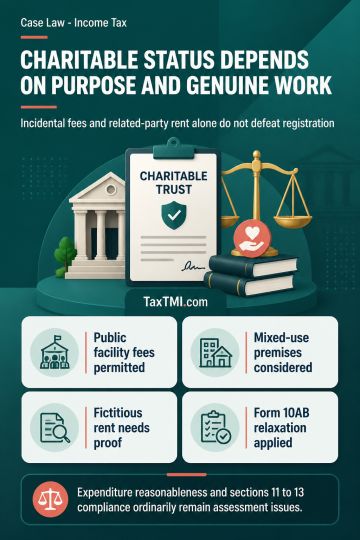
Charitable registration turns on predominant purpose and genuine activities, while incidental fees and related-party rent require supporting adverse m...
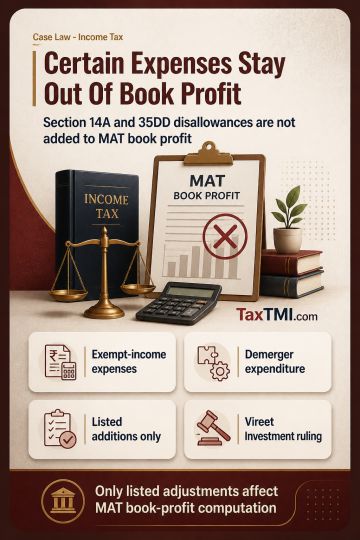
MAT book-profit adjustments exclude disallowances for exempt-income expenditure and demerger expenditure unless expressly listed under the statutory c...
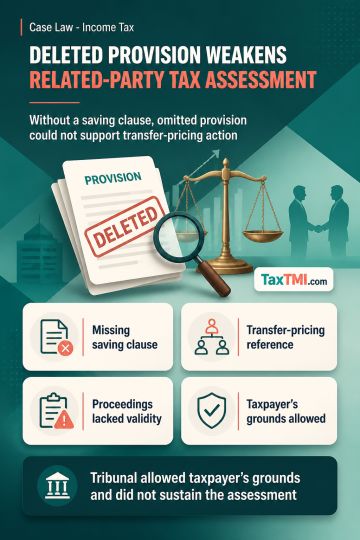
Omitted specified domestic transaction provision invalidates related-party expenditure transfer-pricing references and assessments based on consequent...
The HC upheld the dismissal of the appeal filed three years and twenty days beyond the prescribed limitation period, affirming that the appellate authority's power to condone delay is strictly limited to thirty days. The court relied on established precedents interpreting analogous statutory provisions, emphasizing that no residual discretion exists to extend limitation beyond the specified period under the relevant Acts. Consequently, the writ petition challenging the order was dismissed, reinforcing the principle that courts and tribunals cannot entertain appeals filed beyond the statutory time frame except within narrowly prescribed limits.
The HC upheld the dismissal of the appeal filed three years and twenty days beyond the prescribed limitation period, affirming that the appellate authority's power to condone delay is strictly limited to thirty days. The court relied on established precedents interpreting analogous statutory provisions, emphasizing that no residual discretion exists to extend limitation beyond the specified period under the relevant Acts. Consequently, the writ petition challenging the order was dismissed, reinforcing the principle that courts and tribunals cannot entertain appeals filed beyond the statutory time frame except within narrowly prescribed limits.
Note: It is a system-generated summary and is for quick reference only.
 TaxTMI
 of 4801






 Join Channel


 TaxTMI