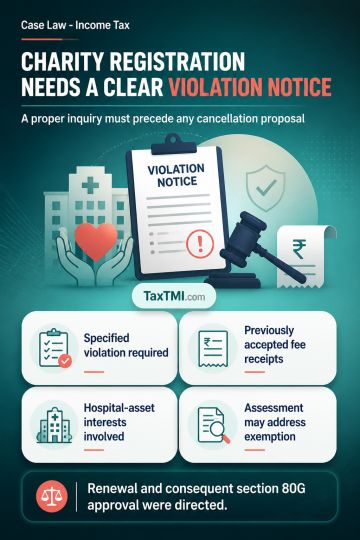
Charitable trust registration requires a specified-violation notice; settled cash deposits and related-party payments did not justify cancellation or ...
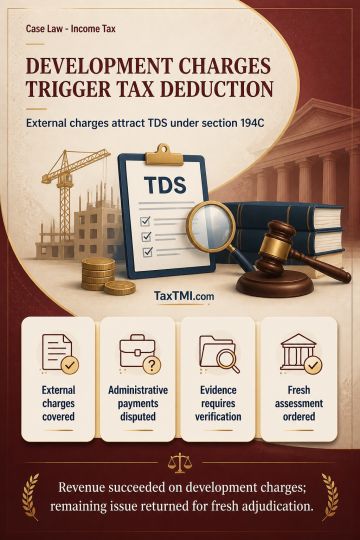
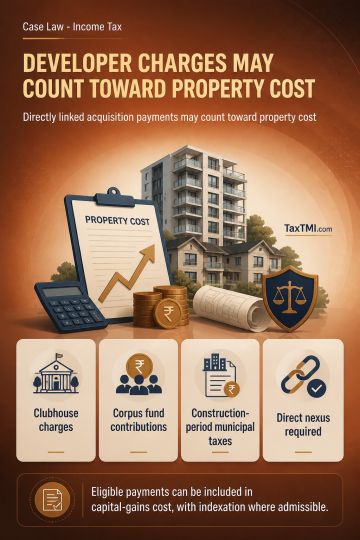
External development charges trigger TDS under section 194C, while disputed administrative payments require factual verification and fresh adjudicatio...
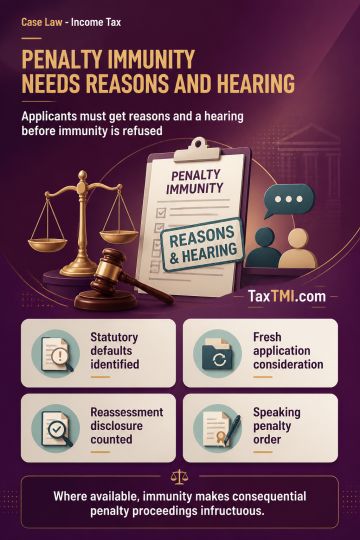
Section 270AA penalty immunity requires identified statutory defaults and a hearing before rejection; reassessment disclosure may constitute under-rep...
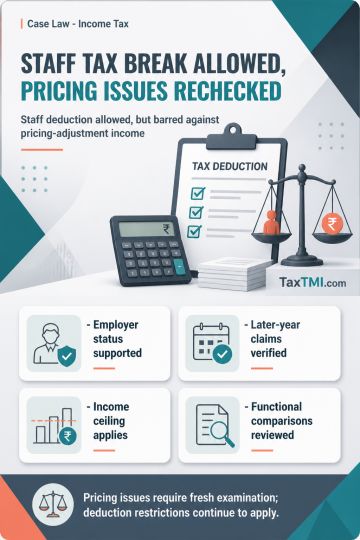
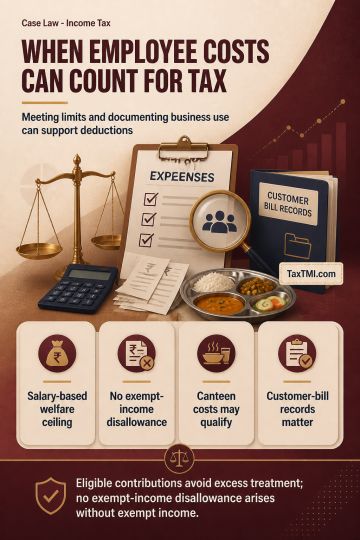
Section 80JJAA employee-cost deduction allowed for deployed staff but barred against transfer-pricing income enhancement, with pricing issues remanded...
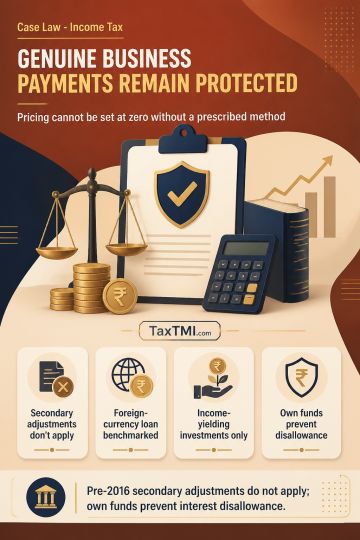
Transfer-pricing methodology protects commercially genuine associated-enterprise payments, while pre-2016 secondary adjustments and related notional i...
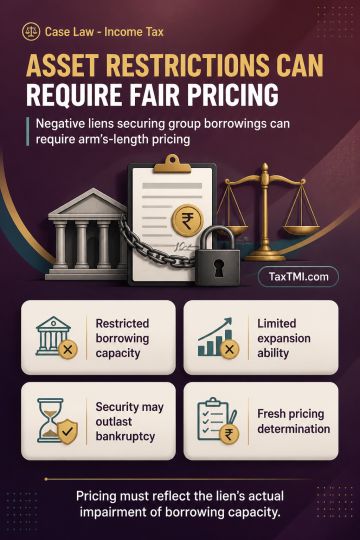
Negative liens over operating assets can constitute international transactions requiring arm's-length pricing reflecting restricted borrowing and expa...
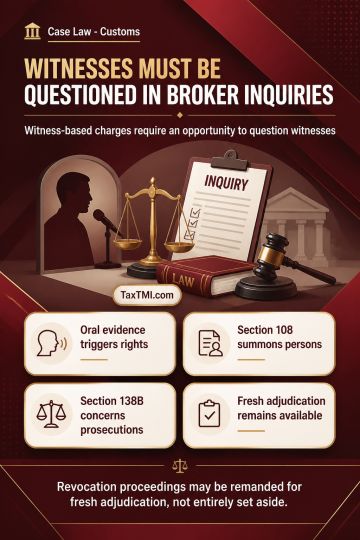
Cross-examination rights in Customs Broker revocation inquiries require witness examination; procedural denial may be cured through fresh adjudication...
The reviewed legislative clauses primarily involve textual simplifications and consolidations of provisions from the Income-Tax Act, 1961, into the Income-Tax Bill, 2025, without substantive policy changes. Key provisions address double taxation relief, transfer pricing, advance pricing agreements, safe harbour rules, and general anti-avoidance rules, maintaining their original intents while enhancing clarity and reducing litigation risks. Several drafting errors and ambiguities were identified, including incorrect cross-references, omission of critical definitions, and inconsistent terminology, which the Committee recommends be rectified to ensure legal precision and consistency. Specific concerns were raised regarding the treatment of registered non-profit organizations, particularly the definitions of charitable purposes, taxability of anonymous donations, and the concept of "regular income," prompting calls for redrafting to prevent unintended adverse impacts. The Committee also emphasized the need for a clean legislative break from references to repealed Acts, consolidating such references under repeal and savings provisions. Overall, the Committee accepts the clauses subject to recommended drafting corrections to uphold clarity, fairness, and effective tax administration.
The reviewed legislative clauses primarily involve textual simplifications and consolidations of provisions from the Income-Tax Act, 1961, into the Income-Tax Bill, 2025, without substantive policy changes. Key provisions address double taxation relief, transfer pricing, advance pricing agreements, safe harbour rules, and general anti-avoidance rules, maintaining their original intents while enhancing clarity and reducing litigation risks. Several drafting errors and ambiguities were identified, including incorrect cross-references, omission of critical definitions, and inconsistent terminology, which the Committee recommends be rectified to ensure legal precision and consistency. Specific concerns were raised regarding the treatment of registered non-profit organizations, particularly the definitions of charitable purposes, taxability of anonymous donations, and the concept of "regular income," prompting calls for redrafting to prevent unintended adverse impacts. The Committee also emphasized the need for a clean legislative break from references to repealed Acts, consolidating such references under repeal and savings provisions. Overall, the Committee accepts the clauses subject to recommended drafting corrections to uphold clarity, fairness, and effective tax administration.
Note: It is a system-generated summary and is for quick reference only.
 TaxTMI
  TaxTMI
 of 4828







 Join Channel


